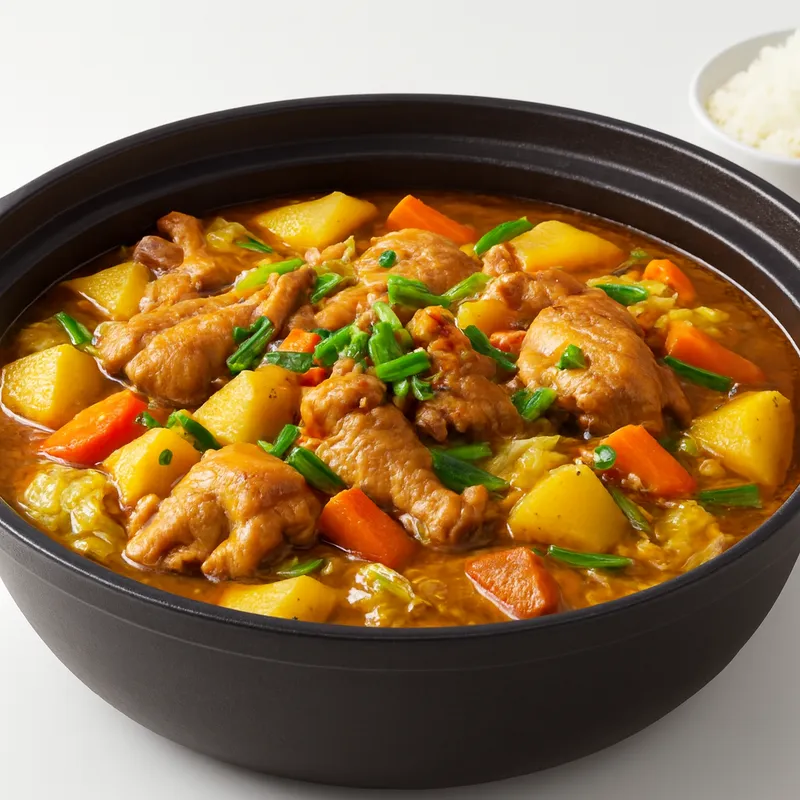
A signature raw-fish dish of the Hezhe ethnic group of Heilongjiang — freshwater carp or grass carp sliced paper-thin, dressed with rice vinegar, chili oil, and julienned cucumber, consumed immediately as the centrepiece of the Hezhe full-fish banquet.
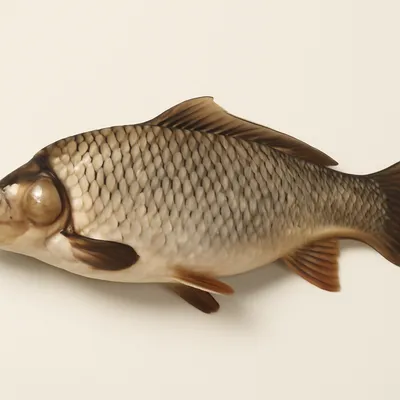


The Hezhe people — one of China's smallest ethnic minorities — have inhabited the Songhua, Heilong (Amur), and Ussuri river valleys of Heilongjiang for centuries, developing a culinary tradition built entirely around fish. Called Talaka in the Hezhe language, eating raw fresh fish was a year-round practice shaped by the region's prolific cold-water species: carp, grass carp, sturgeon, and kaluga. The name 刹生鱼 — literally 'slaughter and eat fish alive' — captures the immediacy of preparation: fish caught and consumed within minutes of the kill. The Hezhe full-fish banquet, which centres on this dish, was inscribed in 2019 as a Heilongjiang provincial intangible cultural heritage item (黑龙江省第六批省级非物质文化遗产代表性项目).
Cold, silky fish strands meet the bright crunch of cucumber — vinegar's sharpness and chili oil's warmth make the rawness feel alive rather than risky.
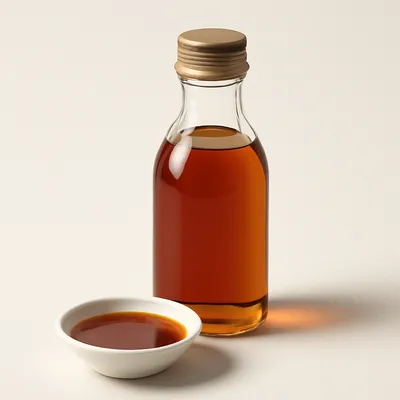
Cold freshwater fish have less connective-tissue cross-linking than warm-water species, so the flesh cleaves into silky strands without toughness. The acetic acid in rice vinegar (approximately 3–4%) denatures surface proteins, visually 'cooking' the outer layer and firming the texture — the same principle as ceviche. Capsaicin in the chili oil activates TRPV1 heat-sensitive receptors in the oral mucosa, creating warmth that contrasts with the cold fish and amplifies perceived flavour.
Variations
Talaka (half-roasted fish): fish pieces skewered on willow sticks, roasted over open fire until the skin blisters and releases oil — exterior charred, interior semi-raw. | Sulaka (frozen fish shavings): whole dog fish or lenok frozen solid then shaved into delicate curled slices, served with vinegar and chili oil. | Salt-only version: thinly sliced fish dipped in coarse salt alone — the purist form that predates all condiments.
On the Palate
Where Hezhe Raw Fish Salad sits in the Chinese flavor cloud
Ingredients
Serves 4

How it's made
7 steps · 20 min
- 15 min
Keep live or freshly caught carp or grass carp (500g) chilled. Fillet carefully removing all bones with tweezers; do not rinse with tap water to preserve the natural flavour.
Watch outKeep the fish cold and never rinse the fillet with tap water — washing strips its natural sweetness, and warmth turns the raw flesh soft.
- 25 min
Slice fillets paper-thin (2–3mm) or into fine julienne strips, cutting against the grain for maximum tenderness.
- 33 min
Toss fish immediately with 1 tsp fine salt; rest 3 minutes to firm the surface proteins and draw off a little moisture.
- 42 min
Add 1 tbsp rice vinegar, toss briefly to begin the acid-denaturing process, then drain well.
Watch outToss with vinegar just long enough to firm the surface, then drain — the acid 'cooks' only the outer layer; leave it swimming and the flesh turns mushy.
- 53 min
Julienne half a cucumber into fine matchsticks; rinse a handful of bean sprouts in cold water. Keep both chilled.
- 62 min
Combine fish, cucumber, and bean sprouts in a chilled bowl; dress with 2 tbsp rice vinegar, 1 tbsp chili oil, 1 tsp sesame oil, and a pinch of sugar. Toss gently.
- 71 min
Plate immediately and serve within 5 minutes of dressing for optimal texture and food safety.
Watch outDress and eat within 5 minutes — the acid keeps working and the texture slips fast, and it's a food-safety window too.