Zaozhuang's signature dish: bone-in free-range rooster pieces stir-fried with Sichuan peppercorns and star anise, simmered briefly, then finished with local thin-skinned fresh chili peppers, bird's eye chilies, and a splash of rice vinegar over high heat. Fiercely spicy, bright with acid, and fragrant with aromatics — traditionally served as the closing course of a banquet.
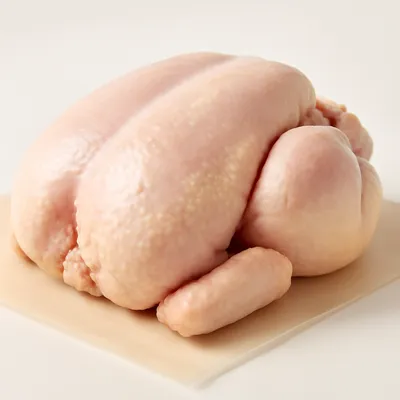
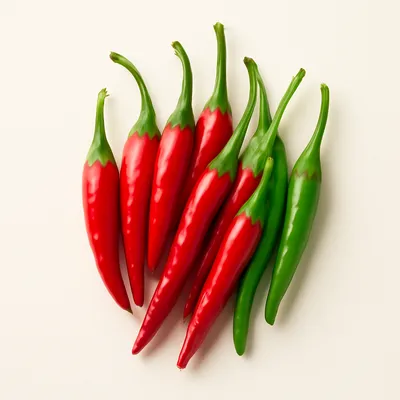

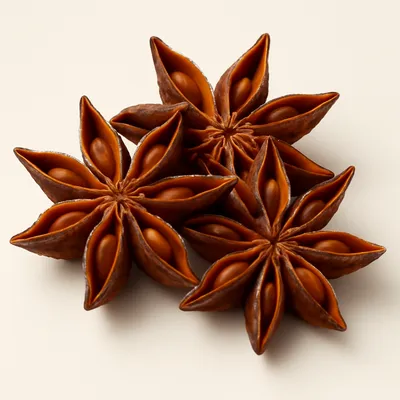


According to the Xu clan's family records and local food historians, the dish was created in the late Qing dynasty by Xu Zihua, a retired imperial palace chef who settled in what is now Zaozhuang's Xuecheng district (then Lincheng County) and opened a restaurant. Drawing on his palace-kitchen training, he developed a recipe pairing local free-range roosters with Xuecheng's distinctive thin-skinned fresh chili peppers. The dish became a banquet fixture — always served last as a signal that the meal had ended. Today it is anchored to Houwan Village in Xuecheng's Taozhuang township, known locally as 'Spicy Chicken Village,' with over a dozen specialty restaurants and annual revenues exceeding tens of millions of yuan.
The chicken arrives searingly hot — a wave of chili heat hits first, then the numbing tingle of Sichuan pepper spreads across the tongue, and finally the sharp, bright acidity of rice vinegar cuts through the richness. Bone-in pieces keep the meat succulently moist, and the skin crisps beautifully from the initial high-heat fry.
Bone-in pieces are used deliberately: bone marrow and periosteal collagen released during simmering enrich the sauce with body and depth. The rice vinegar is added at the final high-heat stage: acetic acid lowers pH to brighten the overall flavor, while the volatile harsh notes evaporate rapidly at high temperature, leaving only the brightness and aroma. Zaozhuang thin-skinned peppers have high moisture content, contributing a fresh green-chili aroma alongside capsaicin heat. Sichuan pepper's hydroxy-alpha-sanshool activates mechanosensory fibers at around 50 Hz, amplifying the perception of chili heat — a physiological stacking that defines the dish.
Variations
A dry-pot version (干锅辣子鸡) omits the simmering liquid, relying on slow rendering of the chicken's own fat for a more concentrated, caramelized flavor. Tengzhou cooks sometimes add fermented black beans (豆豉) for deeper umami. Some restaurants in former coal-mining areas add smoked pork belly alongside the chicken for a smoky dimension.
On the Palate
Where Zaozhuang Spicy Chicken sits in the Chinese flavor cloud
Ingredients
Serves 4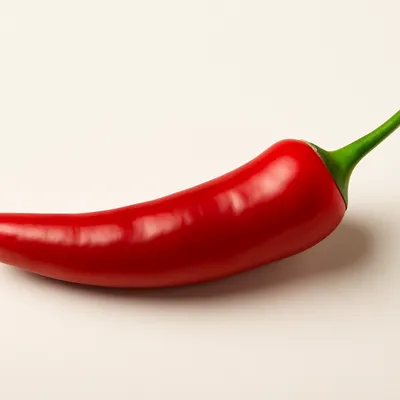



How it's made
7 steps · 40 min active + 10 min waiting
- 15 min
Chop rooster into 3–4 cm bone-in pieces; rinse and pat dry.
- 23 min
Heat vegetable oil in a wok over high heat; add Sichuan peppercorns, star anise, and dried chili; stir-fry until fragrant, then add large pieces of scallion and ginger.
- 35 min
Add chicken pieces; stir-fry on high heat until surface turns golden and skin begins to render, about 5 minutes.
Watch outStir-fry the chicken on high until the skin turns golden and starts rendering fat — this browning builds the base flavor before any liquid goes in.
- 43 min
Add bay leaves, fennel seeds, and white angelica root; drizzle soy sauce along the wok edge and stir to coat evenly.
- 515 min
Add enough water or stock to cover the chicken halfway; bring to a boil, reduce to medium heat, and simmer 15 minutes until nearly cooked through.
- 65 min
Add local thin-skinned fresh chili peppers and bird's eye chilies; return to high heat, stir-fry vigorously, and splash rice vinegar around the wok edge.
Watch outSplash the vinegar down the hot wok edge at the end — high heat flashes off the harsh notes and leaves only the brightness and aroma.
- 74 min
Reduce until the sauce is thick and glossy; finish with fresh cilantro and serve immediately in a deep dish.
Watch outReduce until the sauce is thick and glossy and clings — a watery finish means the flavors never concentrated onto the chicken.


