A fleeting winter treasure from Tianjin's cold-weather table: tiny copper-coin-sized purple crabs bathed in a golden, vinegar-sweet glazing sauce that coats their thin shells. The roe inside is dense and amber-rich — far more concentrated than the crab's miniature size suggests.
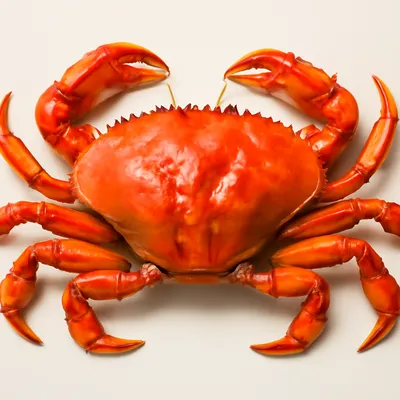



Tianjin's purple crab was recorded as a tribute item to the imperial court across both the Ming and Qing dynasties. The tiny crabs — never growing larger than a silver dollar, often no bigger than a copper coin — inhabit burrows in winter riverbanks and can only be harvested by breaking through ice. The vinegar-glazed preparation (酸沙) belongs to the Tianjin banquet tradition, pairing the crabs with a bright sour-sweet sauce and a warming chili finish; the dish has been listed among the twelve signature dishes of Tianjin cuisine on the China Culinary Association's national register of provincial classic dishes, and appears alongside silver fish, iron sparrows, and yellow chives as one of the city's celebrated Four Winter Rarities (冬令四珍).
Small enough to eat whole — the papery shell shatters between the teeth and the amber roe floods the tongue with concentrated sweetness, all wrapped in a bright, tart glaze with a slow-building chili warmth that lingers after every shell.
Tianjin's cold winter river water slows the purple crab's metabolism, keeping the body tiny while allowing the hepatopancreas (蟹黄) to accumulate steadily — raising the roe-to-body ratio well above that of larger river crabs. The vinegar-starch sauce works through acid-sugar interplay: rice vinegar supplies acetic acid that brightens the palate and stimulates salivation, while sugar caramelises slightly during high-heat reduction to deepen the glaze's colour and aroma; cornstarch gelatinises into a translucent gel film that clings uniformly to the tiny shells. A final drizzle of chili oil delivers fat-soluble capsaicin that adheres to the oil film on the shells and releases sustained warmth rather than a sharp spike.
Variations
七星紫蟹 — seven whole crabs arranged on a platter with a rich brown sauce, presented for formal Tianjin banquets; 银鱼紫蟹锅 — purple crabs simmered with Tianjin silver fish in a clear broth, uniting two of the Four Winter Rarities in one vessel; 紫蟹什锦火锅 — whole purple crabs added to a Tianjin-style mixed hot pot, the roe dissolving into the broth.
On the Palate
Where Tianjin Vinegar-Glazed Purple Crab sits in the Chinese flavor cloud
Ingredients
Serves 2

How it's made
7 steps · 20 min
- 15 min
Scrub the purple crabs under cold running water with a soft brush; halve each crab and remove the gills and stomach sac.
- 23 min
Mix rice vinegar, sugar, light soy sauce, and dried chili flakes in a small bowl to make the seasoning sauce.
- 31 min
Heat oil in a wok over medium-high heat; add ginger slices and dried red chili and fry 30 seconds until fragrant.
- 44 min
Add crab pieces cut-side down and fry 2 minutes until the shells turn orange-red; flip and cook 1 more minute.
Watch outFry cut-side down until the shells flash orange-red — that colour change is the meat setting; move them too soon and the roe leaks out.
- 52 min
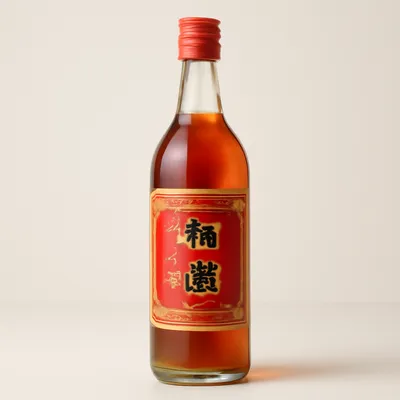
Pour in the seasoning sauce and Shaoxing wine; toss to coat all the crabs; let the sauce reduce over high heat for 1 minute.
- 62 min
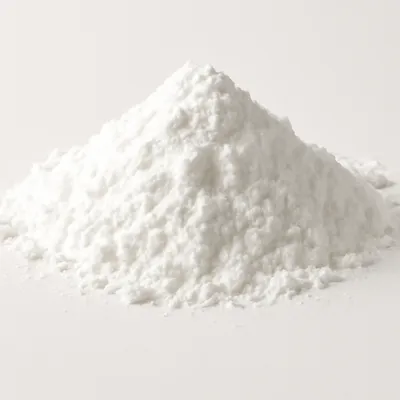
Mix cornstarch with cold water and drizzle into the wok while tossing until the sauce thickens to a glossy, clinging glaze.
Watch outDrizzle the starch slurry in while tossing until the glaze turns glossy and clings to every shell — dumped in at once it clumps.
- 71 min
Drizzle chili oil around the edge of the wok, give one final toss, and plate immediately.

