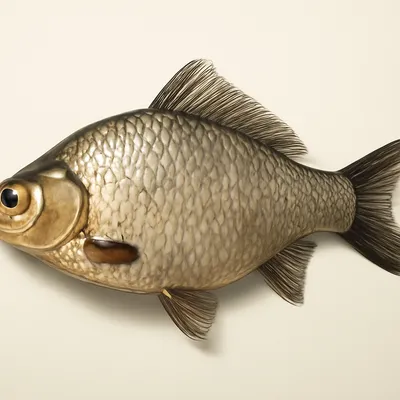
A Sichuan home classic that deploys fresh agastache herb to lift the muddy notes of river fish. Whole crucian carp are pan-fried until golden, then braised in a brick-red sauce of doubanjiang and pickled chili — tangy, gently spicy, and deeply savory — before being finished with a generous scatter of freshly cut agastache that perfumes the entire dish. The reduced braising sauce is the reason to have white rice ready.




Crucian Carp with Agastache has no single documented inventor — it evolved as a folk staple across Sichuan, especially along the southern reaches of the province (川南), where fresh agastache (土藿香, Agastache rugosa) grows prolifically along roadsides and in home gardens throughout summer. The herb is botanically distinct from the medicinal guanghuoxiang used in southern China; Sichuan's variety belongs to a different genus and carries an anise-herbal fragrance rather than a patchouli one. Its culinary and medicinal use is documented in the classical pharmacopoeia Ben Cao Gang Mu, which describes agastache as aromatic, warming, and beneficial for the spleen and stomach. By 2019, the dish had accumulated enough cultural standing that a formal Intangible Cultural Heritage nomination was launched in Chengdu — with Chengdu chef Yue Yong cited as the living skills bearer — following similar successful nominations for Twice-Cooked Pork and Water-Boiled Beef.
Flaky, sweet-fleshed crucian carp sits in a shallow pool of brick-red sauce. The sauce comes first — tangy from pickled chili and vinegar, salty-umami from doubanjiang, a breath of sugar rounding the edges. Then agastache arrives: a cool herbal note between anise and fresh tarragon, the smell of a Sichuan midsummer field. It builds on the palate and lingers after the heat has gone. Pour the sauce over white rice; the fish alone is worth working through every fine bone.
Agastache does two things in this dish: it deodorizes and it aromatizes. The leaves are rich in volatile compounds including methylchavicol and anethole, which on heating disperse into the braising liquid and mask the earthy off-notes of freshwater fish — primarily geosmin, a metabolite of algae and soil bacteria accumulated in the fish's flesh. Pan-frying the whole fish first creates a Maillard-browned crust that seals moisture and adds a savory baseline the braise builds on. Doubanjiang and pickled chili deliver both salt and lactic acidity from their fermentation; the acid gently tenderizes the fish's surface and helps flavors penetrate. Agastache is added in two waves: early, to steep into the braising liquid and release heat-stable deep aromas; and raw at the finish, to capture the more volatile fresh notes that evaporate first under heat.
Variations
In southern Sichuan, agastache mudfish (藿香泥鳅) applies the same technique to mudfish, where the herb's deodorizing power is even more essential. A leaner household variant steams the fish for eight minutes instead of pan-frying it, then ladles a separately made agastache sauce over the top. Adding pickled yard-long beans to the braise — popular in Chengdu kitchens — contributes a satisfying crunch. Restaurants often use sectioned grass carp or catfish for larger, more economical portions; agastache tripe (藿香肥肠) extends the same aromatic logic to offal.
On the Palate
Where Crucian Carp with Agastache sits in the Chinese flavor cloud
Ingredients
Serves 3

How it's made
7 steps · 25 min active + 10 min waiting
- 110 min
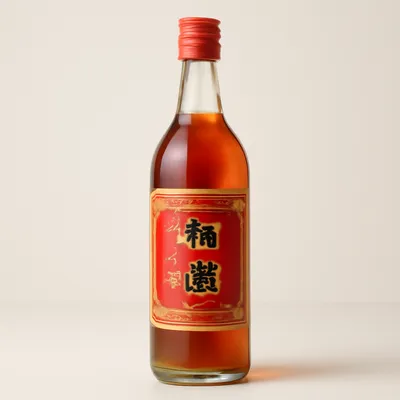
Score both sides of each crucian carp with 3–4 diagonal cuts; rub with salt, Shaoxing wine, sliced ginger, and scallion; marinate 10 minutes, then pat thoroughly dry with paper towels.
Watch outPat the marinated fish bone-dry before it hits the oil — surface water makes the oil spit and the skin stick and tear instead of browning.
- 26 min
Heat a generous layer of oil in a wok over medium-high heat until wisps of smoke appear; lower in the carp and pan-fry undisturbed for 3 minutes until golden; flip carefully and fry the second side another 3 minutes; remove and set aside.
Watch outFry undisturbed until the underside sets deep gold, then flip once — moving it early tears the skin off the fish.
- 34 min
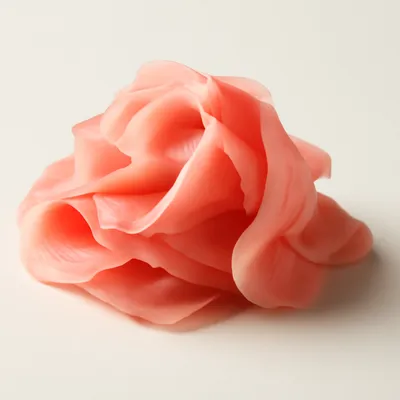
Pour off excess oil leaving a thin film; fry doubanjiang over medium heat, stirring constantly, until it turns deep red and fragrant, about 2 minutes; add minced garlic, pickled ginger, and pickled chili; stir-fry 2 more minutes.
Watch outFry the doubanjiang until it turns deep red and gives off its aroma before anything else goes in — raw bean paste tastes flat and gritty.
- 48 min
Return the carp to the wok; pour in enough water to come halfway up the fish and bring to a boil; add soy sauce, a splash of vinegar, and a pinch of sugar; cover and braise over medium heat for 8 minutes, spooning the braising liquid over the fish every 2 minutes.
- 52 min
Scatter half the agastache leaves into the braising liquid; cook uncovered for 2 more minutes to infuse the broth.
- 63 min
Gently lift the fish onto a serving plate; increase heat to high and reduce the braising liquid until lightly thickened; taste and adjust with salt; scatter in sliced scallion.
- 72 min
Pour the reduced sauce over the fish; cut the remaining agastache into thin strips and scatter over the top; add a few drops of sesame oil; serve immediately.


