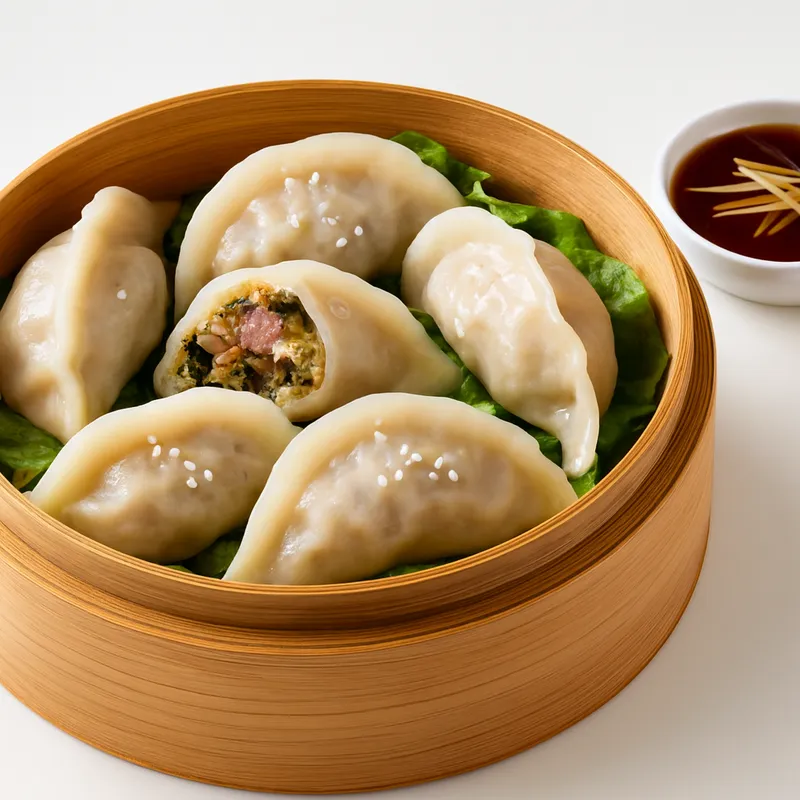
The archetypal Northeastern one-pot — a generous jumble of high-summer vegetables stewed together with pork. Flat green beans, potato, eggplant, green pepper, tomato and wood ear or mushroom all go into one iron pot with belly pork or ribs and are stewed down until everything melds into a single soft, savoury mass; corn, tofu and other garden produce often join in too. Unlike the region's single-ingredient stews — pork-rib-and-bean, chicken-and-mushroom, pork-and-glass-noodle — this is the deliberately mixed 'harvest' stew, many vegetables at once, which is why it is also fondly called 'big harvest.' Hearty, homely and made to warm a cold house, it is a true farmhouse dish where flavours marry in the pot rather than one star ingredient leading.



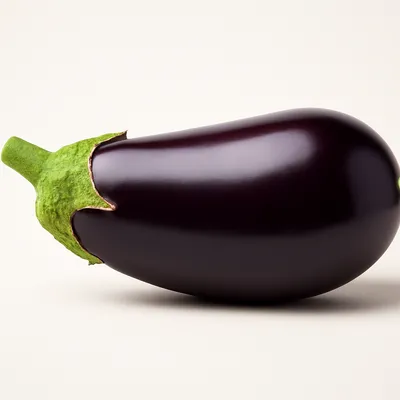

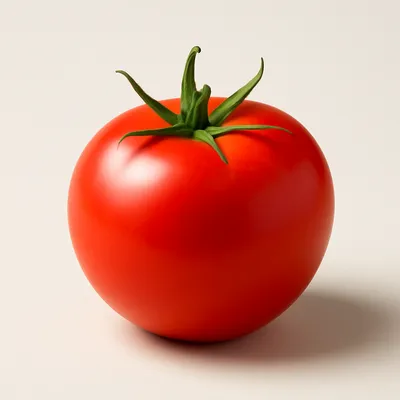
Big-jumble stew is farmhouse cooking with no single inventor or founding date; it grew out of the everyday kitchen of China's Northeast — the cold black-soil plain settled in waves during the great 'breaching the pass' migration into Manchuria. Its logic is the logic of the land and the climate: a region of vast fields and short, abundant harvests, where in late summer beans, potatoes, eggplant, peppers and tomatoes all ripen at once, and the thrifty answer is to put a little of everything into one pot with whatever meat is on hand. The long, low fire of an iron pot suits a place of long, hard winters, when a single bubbling cauldron heats the room as it cooks. The names tell the spirit plainly — 'big-jumble' for the unfussed mixing of it all, 'big harvest' for the table-load of garden produce, and 'all-out-of-one-pot' for the way a whole meal comes off one fire. It is read as an expression of the Northeast's open, unstinting character and its cold-country, one-pot warming culture.
Nothing here keeps its edges — that is the point. The potato has gone soft and floury at the corners and helps thicken the pot; the eggplant turns silky and slumps; the flat beans cook right past squeak into a deep, sweet tenderness; the tomato dissolves into a faintly tart, ruddy gravy that ties everything together. Through it all run pieces of pork belly, the fat melted to lush and the lean falling apart, and the slip of black wood ear adds a small crunch against all that softness. Every forkful is a little different but all of it tastes of the same rich, meaty, gently sweet broth the vegetables have drunk up. It is soft, warming, deeply homely food — best ladled steaming over a bowl of rice.
Two moves make the pot: render the pork first, then stew everything low and slow so the flavours trade places. The belly or ribs are dry-fried at the start over a brisk fire until the fat runs clear and the lean takes a little colour — that rendered, savoury lard becomes the base every vegetable will later soak up, and the light browning is Maillard flavour the dish is built on. The hardier vegetables go in by order of how long they need — potato first, then beans, then the softer eggplant, peppers and tomato — and water is added to come up the sides for a long, gentle stew. Slow stewing is what melds it: the starch leaching from the potato thickens the liquid into gravy, the tomato's acid and the pork's fat round each other off, and the porous eggplant and potato act like sponges, drinking the meat-rich broth deep into themselves rather than sitting on top of it. Cook it too fast or too briefly and the pieces stay separate and watery; the dish only comes good when everything has gone soft enough to give and take.
Variations
There is no fixed recipe — that is half its charm — and the pot changes with the household and the season's garden. Corn cobs, tofu, cabbage, kidney beans, vermicelli or pumpkin are all common add-ins, and the meat may be belly pork, ribs or none at all for a leaner pot. Some cooks slip in a spoon of soybean paste or fermented bean for a deeper, saltier body; others keep it clean and let the tomato carry it. It sits in the same family as the Northeast's other great pot dishes but stays distinct from them — it is the many-vegetable jumble, not the single-ingredient pork-rib-and-bean or chicken-and-mushroom stew, and not the sour-cabbage or glass-noodle pots. In its grandest form it becomes the famous iron-pot stew ringed with cornbread cakes steamed against the rim, a whole meal out of one fire.
On the Palate
Where Dongbei Big-Jumble Stew sits in the Chinese flavor cloud
Ingredients
Serves 5



How it's made
9 steps · 25 min
- 120 min
Cut pork belly or ribs into bite pieces. Tear flat beans, roll-cut potato and eggplant, chunk the green pepper and tomato, and soak wood ear until plump.
- 26 min
Heat a little oil and dry-fry the pork over a brisk fire until the fat runs clear and the lean takes some colour.
Watch outDry-fry the pork until the fat runs clear and the lean takes a little color — that rendered lard is the savory base every vegetable soaks up.
- 32 min
Add scallion, ginger, garlic and a splash of soy sauce and toss with the pork until fragrant and browned.
- 44 min
Put in the potato and flat beans first and stir-fry a few minutes until they lose their raw stiffness.
- 52 min
Add the eggplant, green pepper, tomato and wood ear and turn everything together.
- 63 min
Pour in water to come up the sides of the food, season with salt, and bring to a boil.
- 735 min
Cover and stew over a low fire for about 30 to 40 minutes, until everything is soft and melded and the liquid has thickened into gravy.
Watch outStew low until everything melds and the liquid thickens to gravy — rushed on high heat it stays watery and the flavors never trade places.
- 88 min
Add corn or tofu in the last stretch if using, and adjust the salt.
- 91 min
Finish with a little ground white pepper and serve the steaming pot over rice.