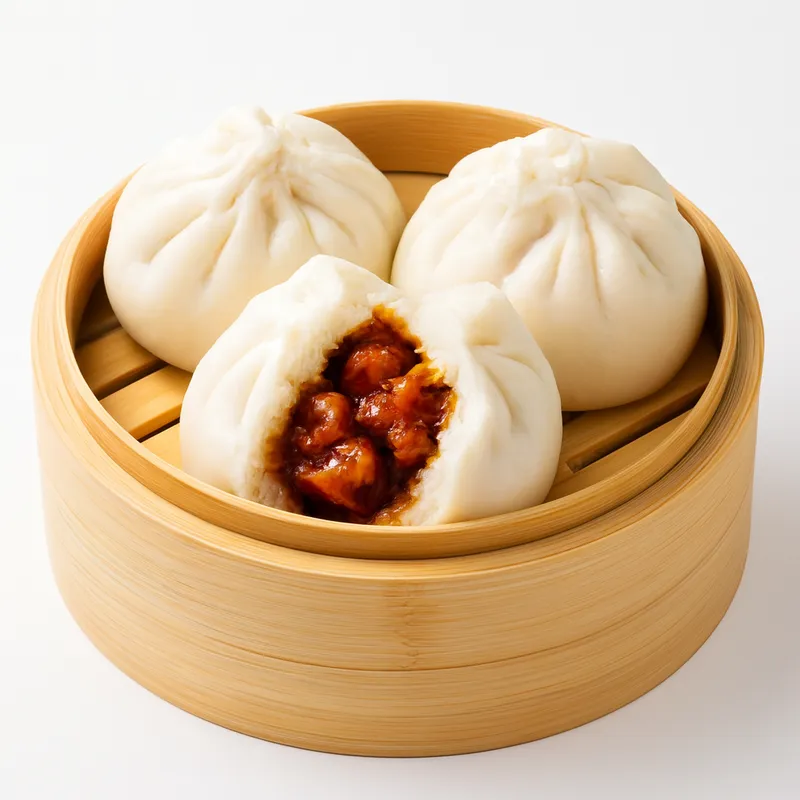
A deep-fried dim sum of mashed taro and wheat starch wrapped around a savory pork filling, whose surface fries into a crisp, lacy, golden-brown honeycomb of fine bubbles. Inside the open crust the taro is soft and fragrant, the filling salty and moist. Prized for that delicate web of crackle, the full name is 'honeycomb taro dumpling'. It is one of the more demanding items on the Cantonese yum cha trolley and is eaten hot.
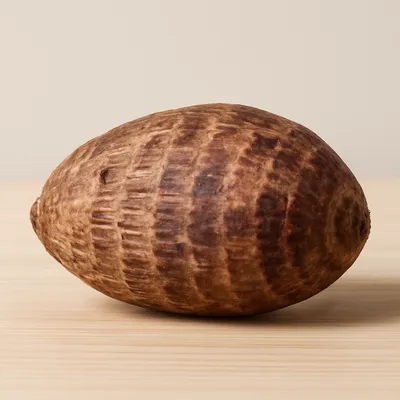

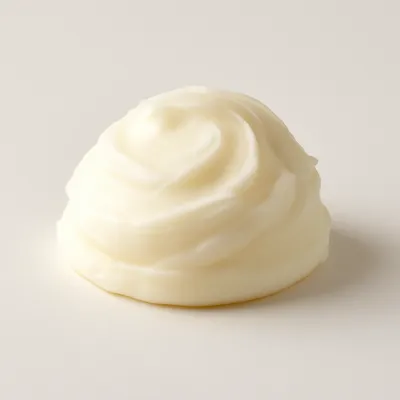

The taro croquette is a classic of Cantonese tea-house dim sum, built on the southern Chinese fondness for taro — the dense, purple-flecked, chestnut-scented variety grown in Guangxi and Guangdong, with the Lipu taro of Guangxi the most esteemed. Steamed and mashed, the taro is bound with wheat starch and lard into a dough whose high fat and moisture is the key to the honeycomb effect when fried. Like the salty water dumpling and sesame ball, it belongs to the trolley's family of fried savory snacks. Its difficulty — the lacy crust collapses easily if the dough or oil is wrong — has long made it a measure of a dim sum cook's skill.
A golden-brown oval clothed in a crisp, gossamer honeycomb — a lattice of fine open bubbles that shatters at the lightest bite. Beneath it the taro is soft, dense and gently sweet, carrying its chestnut-like fragrance, wrapped around a hot core of seasoned minced pork. The eating is all contrast: an airy, brittle crust dissolving into smooth taro and a moist savory filling. It has to reach the table straight from the fryer; as it cools the delicate web softens and the magic is gone.
The honeycomb is a controlled, violent expansion. Steamed taro is mashed and combined with wheat starch and a generous amount of lard while still warm; the dough must stay soft and quite moist. When a wrapped croquette is lowered into hot oil — around 170-180°C — the water in the taro flashes to steam and forces its way out through the fat-laden dough, blowing the surface into a froth of fine bubbles that the oil instantly crisps and sets. Too little fat or too dry a dough and the bubbles will not form; too cool an oil and the dough soaks fat and stays heavy instead of webbing. The filling is cooked and cooled first so it does not weep moisture and flatten the crust from within. The croquette is lifted out the moment the lace turns golden, before it can over-color and turn bitter.
Variations
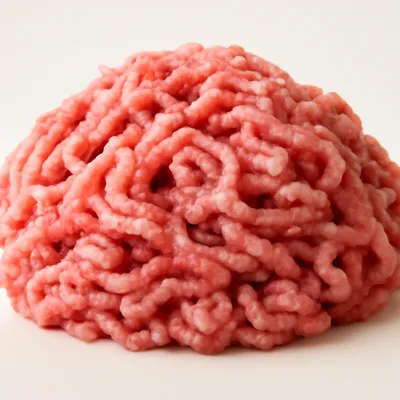
Fillings follow the savory dim sum pantry: minced pork is standard, often with dried shrimp, mushroom, or diced char siu; some kitchens add chicken or make a vegetarian version with mushroom alone. A few cooks form the croquette plain and unfilled to show off the honeycomb. The taro itself is the variable that matters most — a powdery, fragrant taro such as Guangxi's Lipu gives the best mash; a watery or waxy taro will not honeycomb cleanly.
On the Palate
Where Taro Croquette sits in the Chinese flavor cloud
Ingredients
Serves 4

How it's made
6 steps · 1 hour active + 30 min waiting
- 120 min
Stir-fry minced pork with dried shrimp and chopped mushroom, season with soy and a little sugar, cook until dry, and cool fully.
- 220 min
Steam peeled taro until very soft, then mash while hot into a smooth puree.
- 315 min
Work wheat starch (scalded with a little boiling water), lard, and seasoning into the warm taro to form a soft, moist dough; do not let it dry out.
Watch outKeep the warm taro dough soft and quite moist with plenty of lard — too dry or too lean and the surface won't bloom into honeycomb.
- 415 min
Take a portion of dough, flatten, hollow it, fill with cooled pork, and seal into a smooth oval.
- 55 min
Heat oil to 170-180°C and gently lower in the croquettes a few at a time.
Watch outHold the oil at 170–180°C before lowering them in — too cool and the dough soaks fat and stays heavy instead of webbing open.
- 66 min
Fry without crowding until the surface blooms into a golden honeycomb lattice, about 4-6 minutes; lift out the instant it is golden and serve hot.
Watch outLift each one the instant the surface blooms golden — a moment too long past golden and the lacy honeycomb scorches.
Archive tool suggestions — not reviewed
These legacy suggestions have not been evidence-reviewed and are not presented as required tools.