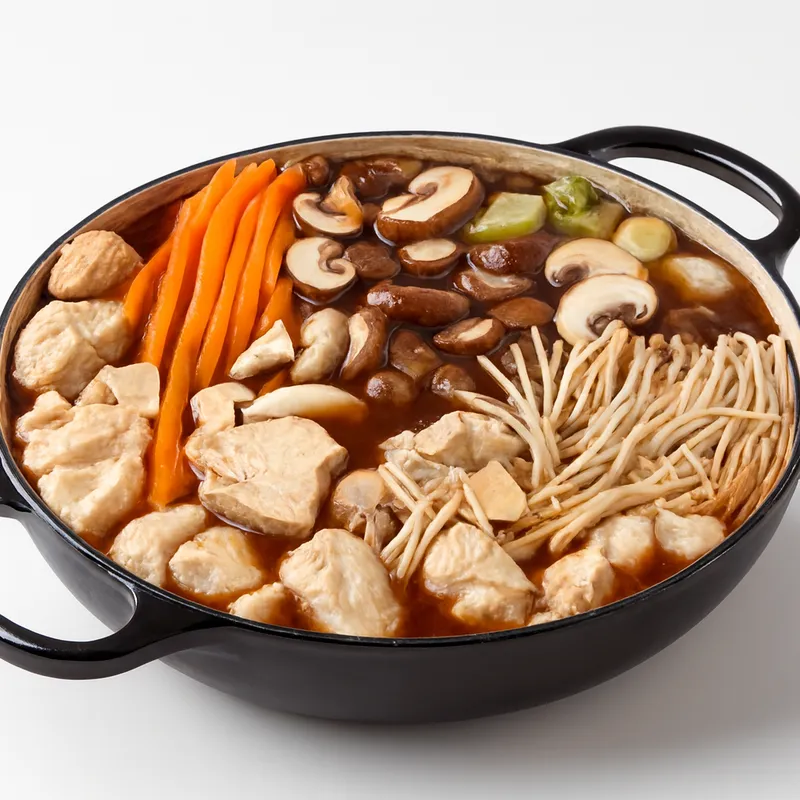
A hot pot of assorted ingredients simmered in a spicy, numbing broth tinged with sesame.





Traces to the Qing-dynasty salt-and-river port of Niuhua (in Wutongqiao, Leshan), where dock and salt-works laborers skewered beef and offal to cook in a spiced pot; an older folk account credits Yangtze boat-trackers cooking riverside in clay pots. The modern self-pick, per-person format was set in 1988 when Leshan's Zhang Yonggui shifted from one communal pot to individual plates with personal dipping dishes — they'd pool whatever vegetables and offal they had, simmer in a shared spiced broth on the boat. The street version moved inland with migrant workers in the 1990s; by the 2000s northeastern chains had standardized a bone-broth, sesame-paste format nationwide — Yang Guofu's drinkable bone-broth (with milk powder and rock sugar) appeared around 2003, and Zhang Liang's added sesame paste.
1980s Yangtze boatmen near Leshan and Yibin pooled offal and vegetables in a shared spiced broth on the boat. Northern variants — especially Tianjin's sesame-heavy version — drained the broth and tossed the cooked skewers, closer to a salad than a soup.
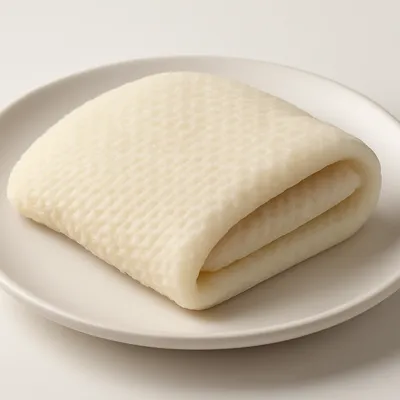
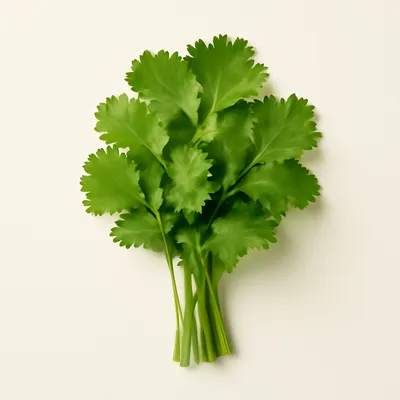
You pick raw skewers from a wall-cooler — lotus root, beef tripe, fish balls, wide tofu skin, leafy greens, quail eggs — and hand them to the cook, who drops them into a numbing-spicy broth. They come back in a wide bowl, broth ladled over, dusted with sesame paste, peanut, cilantro, garlic water. Eat while the floor of the bowl is still oily.
Two formats coexist: Sichuan-style is broth-based and you eat the soup; northern-style (the Northeast-China chain format, e.g. Yang Guofu / Zhang Liang) drains the broth and tosses the cooked skewers in sesame paste — closer to a salad than a soup. The cooking broth is reused all day, deepening as fat and gelatin from successive batches accumulate; a fresh-pot malatang tastes thinner than one served at 9pm.
Variations
Sichuan original is broth-eaten; the Northeast-China chain version is bone-broth-based with sesame paste (Yang Guofu codified the drinkable bone broth ~2003; Zhang Liang added sesame paste); Northeast chains push sweeter, less peppercorn; Korean-Chinese spots run heavier on garlic.
On the Palate
Where Malatang sits in the Chinese flavor cloud
Ingredients





How it's made
5 steps · 30 min
- 115 min
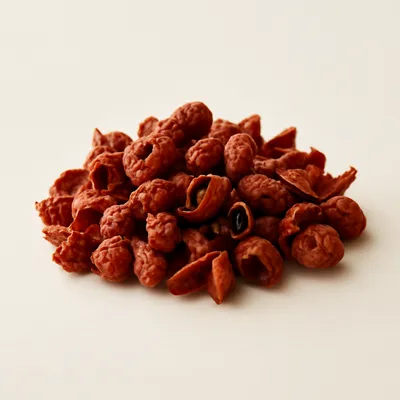
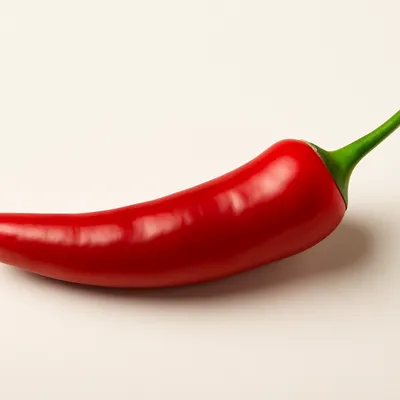
Prepare a spicy broth with doubanjiang, Sichuan pepper, and chili peppers, bringing to a simmer.
Watch outFry the doubanjiang and peppercorns in oil until the broth smells fragrant and the fat turns red before it simmers — this is where the depth comes from.
- 25 min
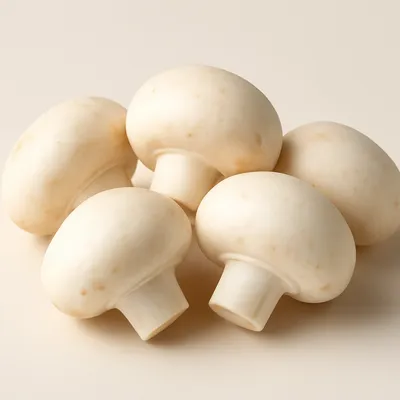
Select and prepare ingredients such as pork, tofu, and mushrooms to desired sizes.
- 35 min
Add selected ingredients to the simmering broth, cooking until tender.
Watch outDrop ingredients in by cook-time — dense meat and potato first, tofu and greens last — and fish each out the moment it's just done, not a minute over.
- 43 min
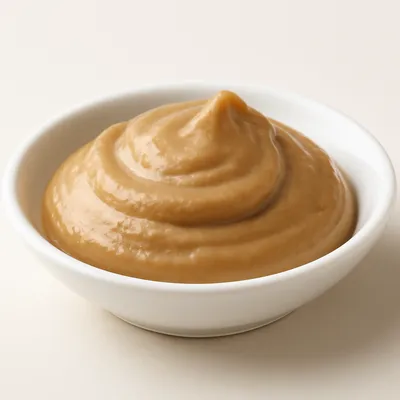
Stir in sesame sauce for depth and creaminess.
Watch outLoosen the sesame paste with a spoon of the hot broth first, then stir it in — dumped in dry it just sinks into lumps.
- 52 min
Serve with fresh scallions for a burst of freshness.