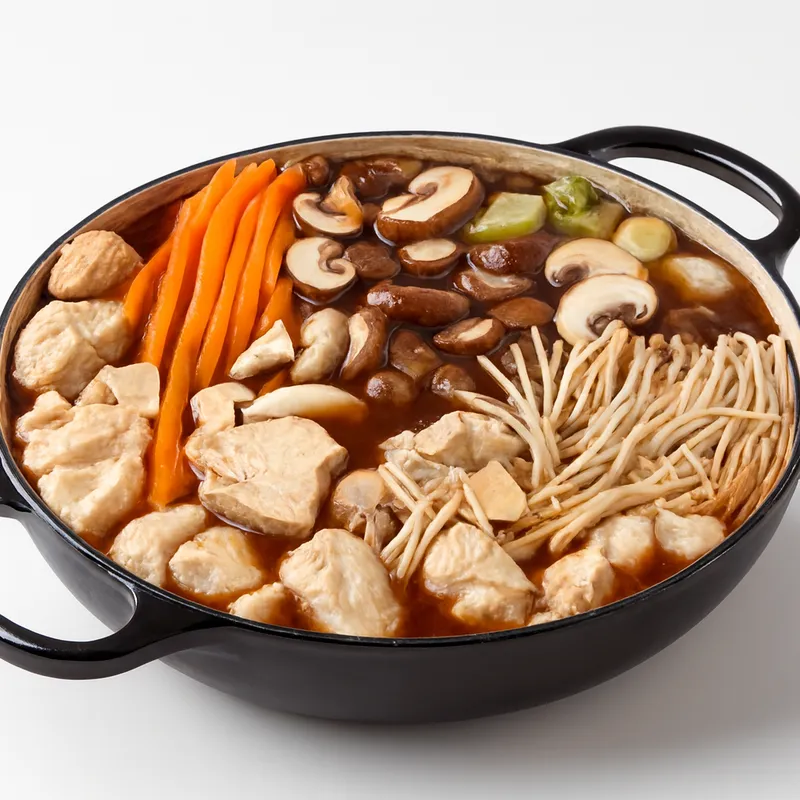
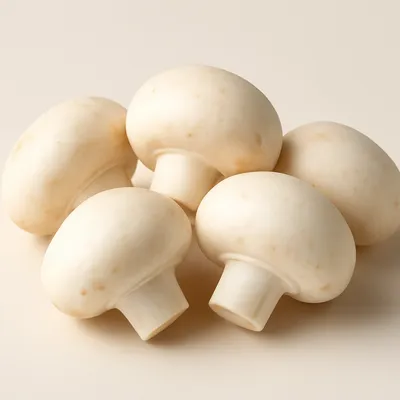
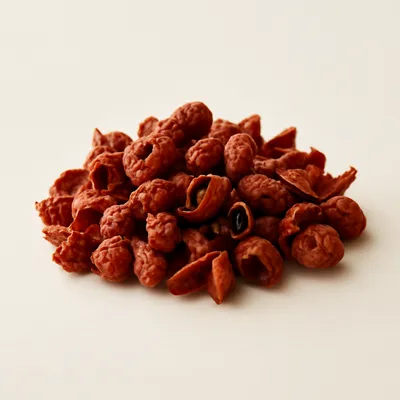


A Chengdu/Leshan street-food origin with disputed dating (Chinese sources variously cite the early 1990s, or legends going back to Qing-dynasty Pengzhou miners) — its true culinary lineage is to lu (braise) cooking, with food 'maoed' (quick-blanched) in a long-simmered braising broth, repackaged as a one-person, one-bowl format for solo diners who couldn't justify firing up a whole pot. The broth pot stays simmering all day, much like malatang. Maocai went national in the 2000s after chains like Yang Guofu (originally malatang) crossed the format over.
Chengdu tea-house adaptation of hot pot, 1930s-40s — a one-person, one-bowl format for solo diners. The 冒 is the Sichuan verb for the quick blanch. Doubanjiang-heavy, where malatang leans sesame.
A single-serving cousin of hotpot: you pick raw ingredients (sliced beef, tofu skin, glass noodles, mushroom, leafy greens) into a wire basket, the cook lowers it into a numbing-spicy stockpot for under a minute, then dumps everything into a bowl with a ladle of the broth. Eaten with rice, not as soup. The 冒 in 冒菜 is the Sichuan verb for that quick-blanch motion.
Maocai differs from malatang in two ways: the bowl gets the broth ladled in (not drained), and the spice base is heavier on doubanjiang (fermented broad-bean paste) rather than sesame. A good maocai shop's broth has been running for hours, deepening with offal fat and bone — order it before the lunch rush and the soup is thinner.
Variations
Chengdu original keeps broth in the bowl with rice on the side; Yang Guofu chain crossed the malatang format over and standardized; northern chains run sweeter and lean on sesame paste topping.
On the Palate
Where Maocai sits in the Chinese flavor cloud
Ingredients





How it's made
5 steps · 30 min
- 15 min
Prepare a rich broth with doubanjiang, Sichuan pepper, and chili oil, simmering to meld flavors.
Watch outFry the doubanjiang low until the oil stains deep red and smells nutty — rush it on high and the paste scorches bitter before the flavor blooms.
- 25 min
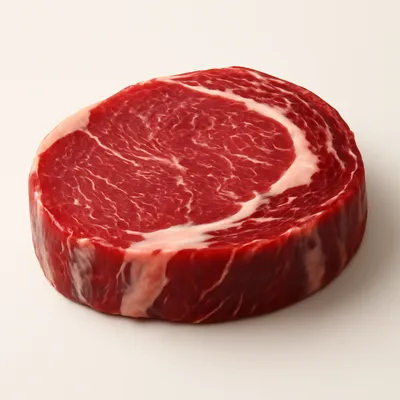
Select meats and vegetables such as pork, tofu, and mushrooms, cutting into bite-sized pieces.
- 35 min
Immerse selected ingredients in the simmering broth until tender.
Watch outDrop ingredients in by how long they cook — fish balls and greens need only a short dip; pull them the moment they float and turn tender or they go rubbery and mushy.
- 45 min
Add fresh scallions for a burst of flavor.
- 52 min
Serve hot, allowing diners to savor each component.