

Sichuan
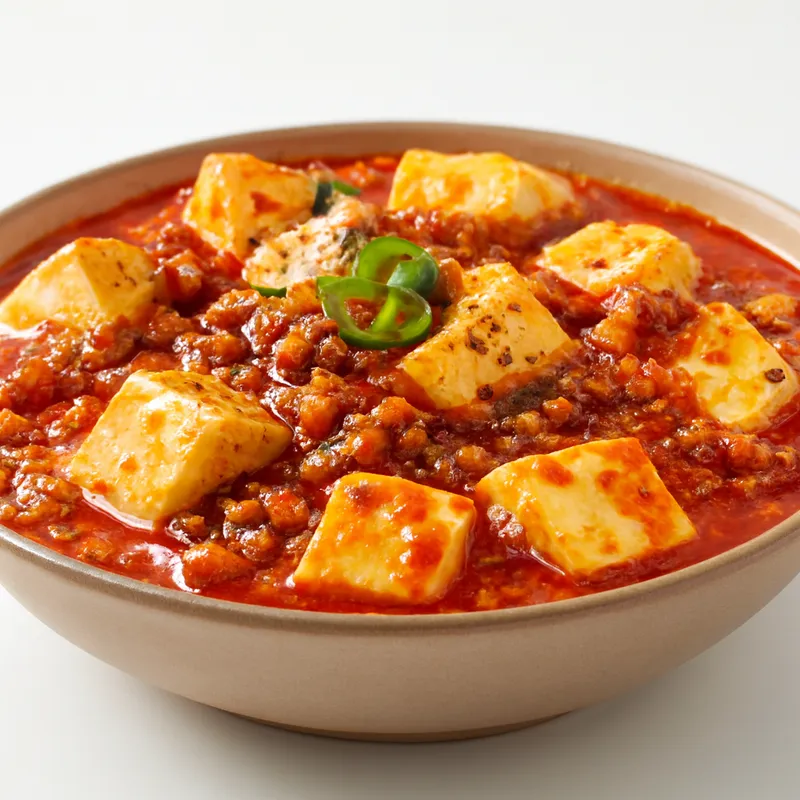
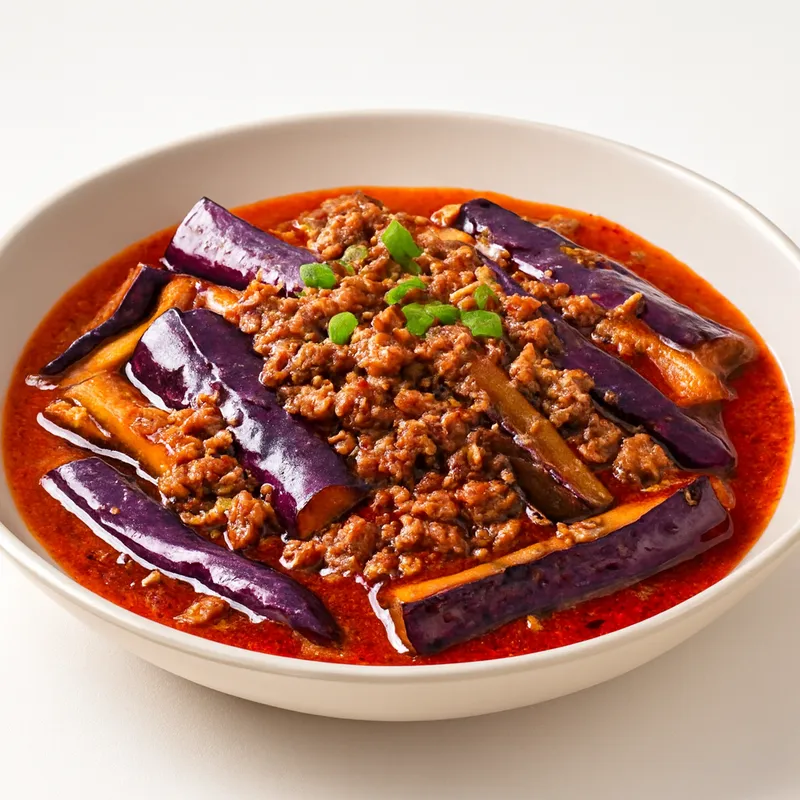
Mapo Tofu: spicy, numbing bean curd.
Mala
Mala, the numbing and spicy flavor profile from Sichuan peppercorns and chiles, defines Sichuan cuisine's bold taste.
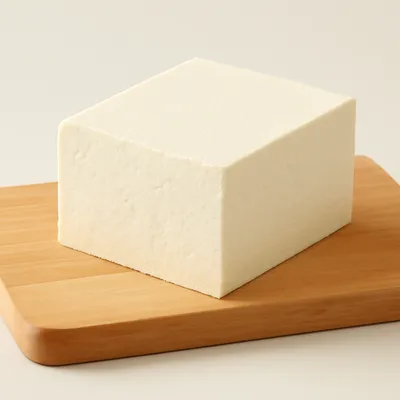
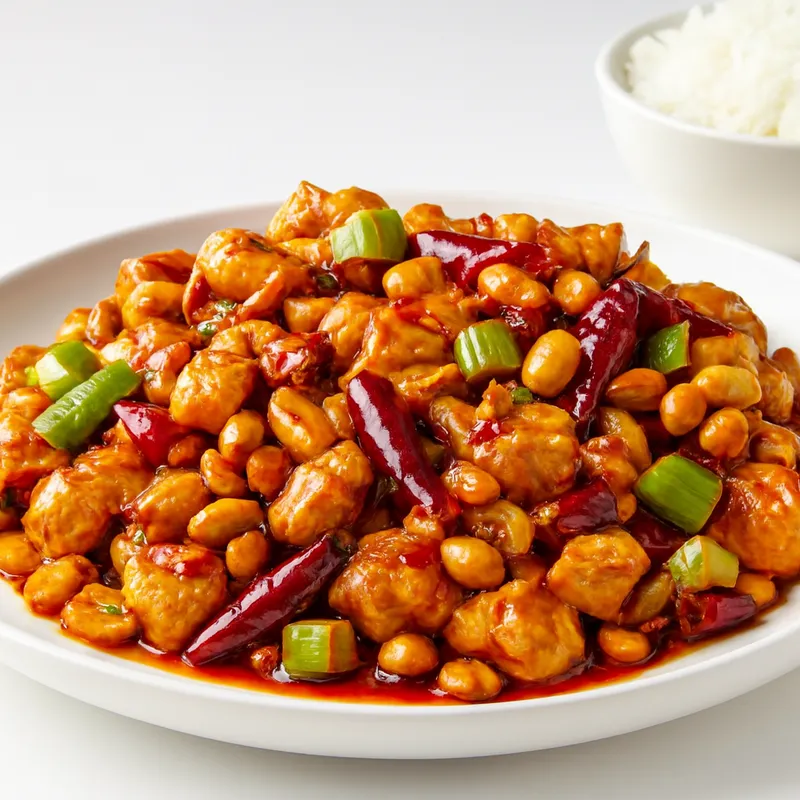
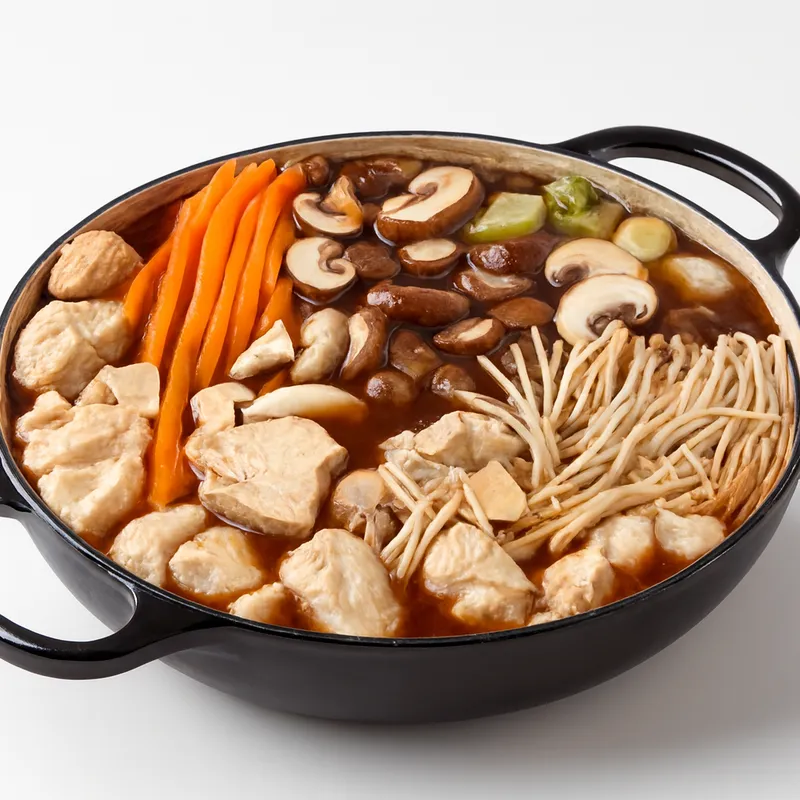
View page →Sichuan cooking, from China's southwest, is defined by málà: the combination of heat from dried chilies and the tingling, lip-numbing buzz of Sichuan peppercorns (huājiāo). The signature dish is mápó dòufu, soft tofu in a red sauce built on fermented broad-bean chili paste (dòubàn jiàng) with minced beef or pork and a dusting of ground peppercorn. Other staples include kung pao chicken (gōngbǎo jīdīng), diced chicken stir-fried with peanuts and dried chilies in a sweet-sour-spicy sauce, and twice-cooked pork (huíguō ròu), where pork belly is boiled, sliced, then fried with chili paste and leeks. Hotpot is the great communal meal: a cauldron of chili-and-peppercorn broth bubbling at the center of the table, into which you dip thin-sliced meat, tripe, and vegetables. The cooking isn't only about fire, though; it prizes layered flavors, including the garlicky-sour-sweet "fish-fragrant" (yúxiāng) sauce and the tongue-tingling cold dishes dressed in chili oil.
Start Here
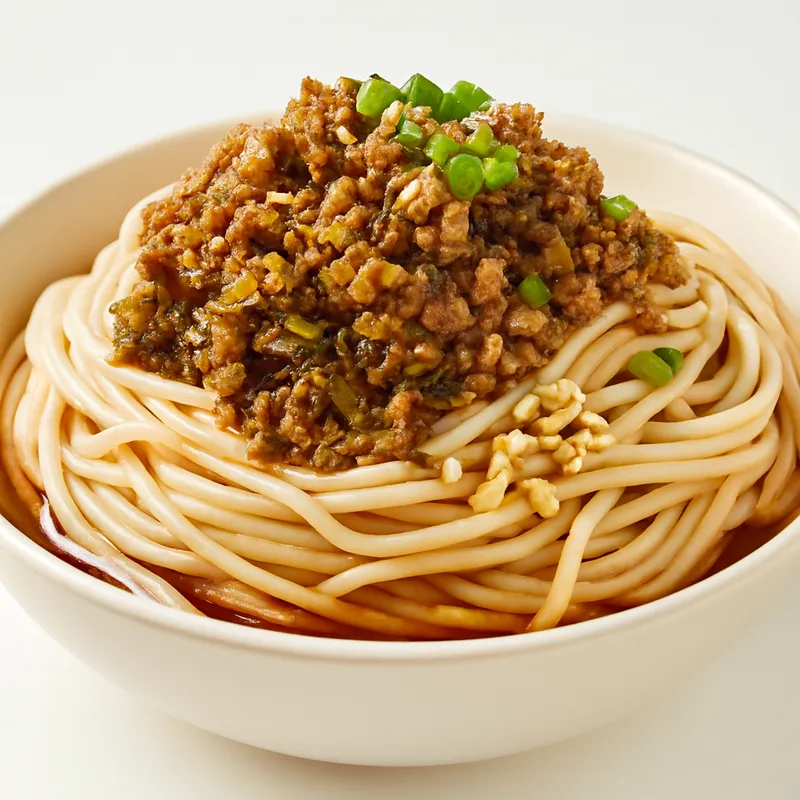
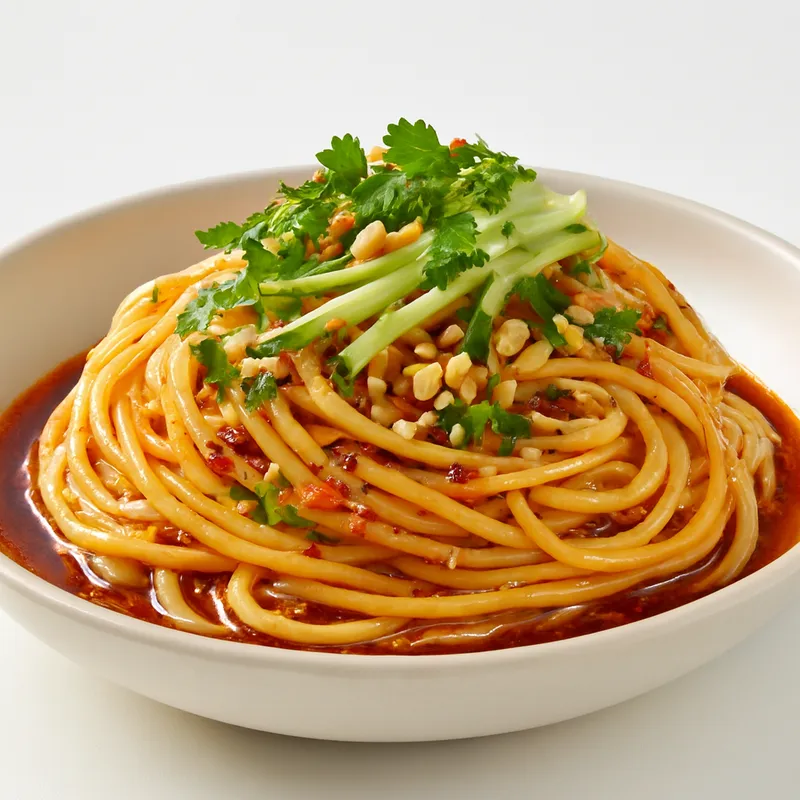
The ground pork topping adds a savory depth to the nutty, spicy sauce.
Why start here · It encapsulates the texture and flavor contrasts central to Sichuan cuisine.
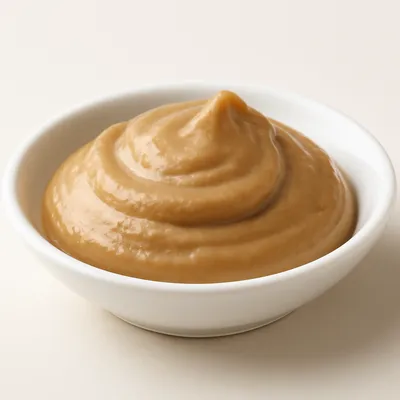
The use of doubanjiang is essential in creating its complex, spicy depth.
Why start here · It showcases the signature 麻辣 profile of Sichuan dishes.
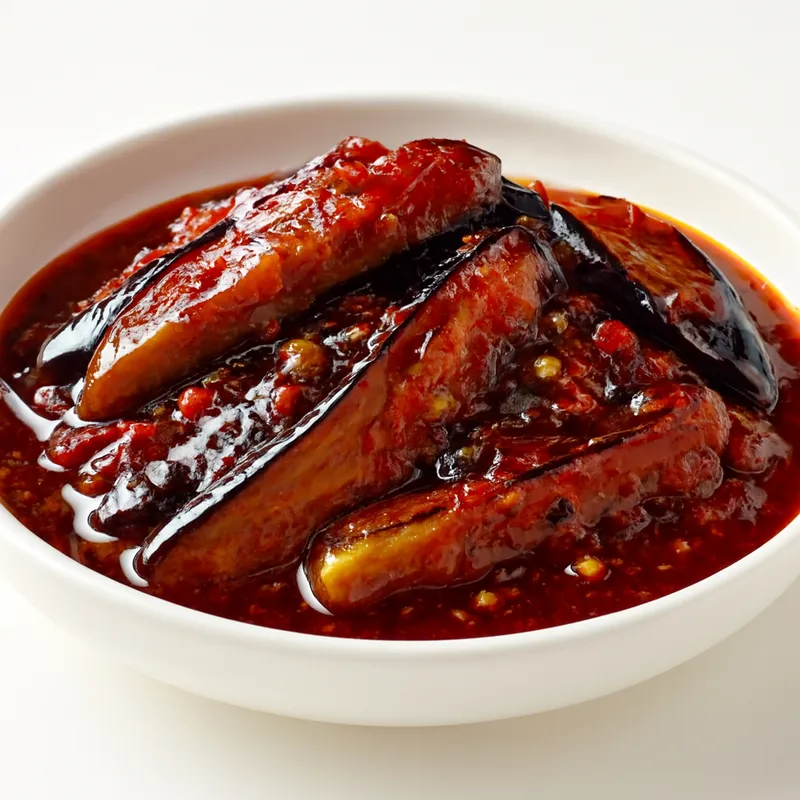
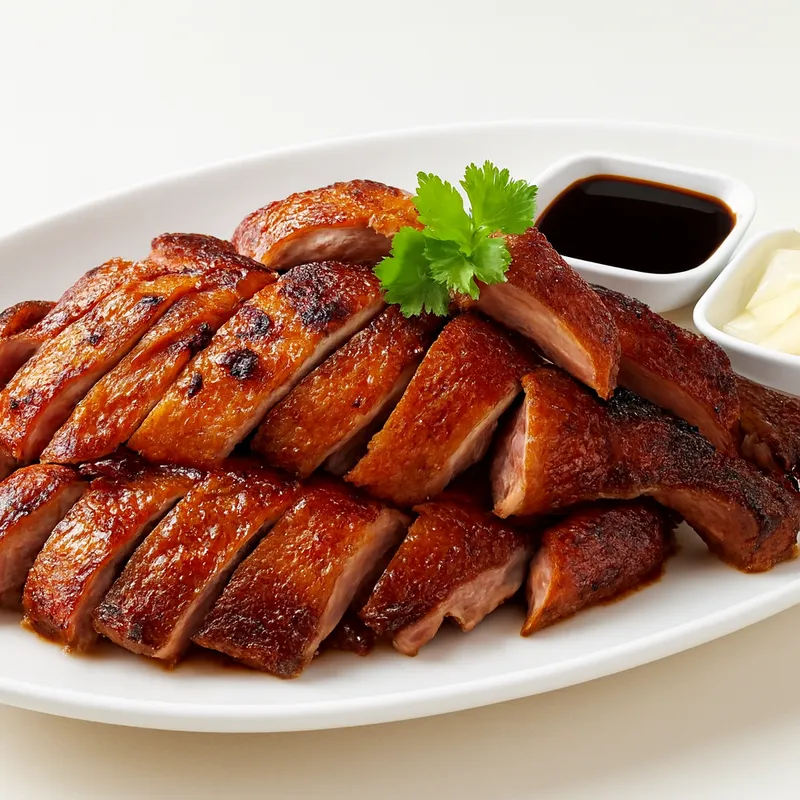
The double cooking method ensures a crispy outside and tender inside.
Why start here · It highlights the intricate cooking techniques and spicy-savory balance.
Cook First
The easiest way in

The Pantry





See all 213 ingredients›


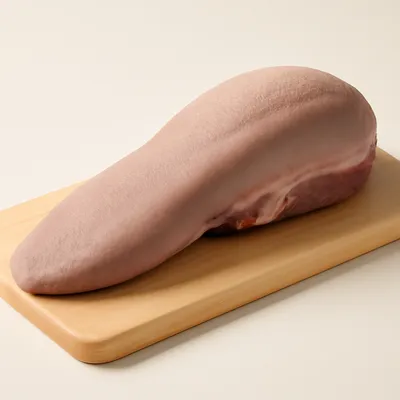
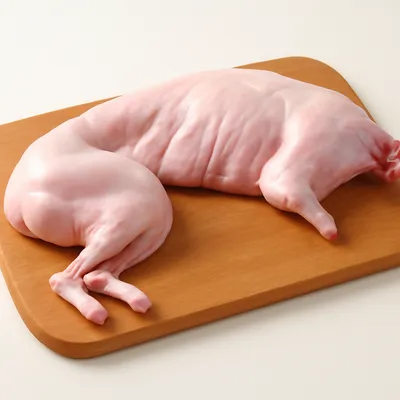
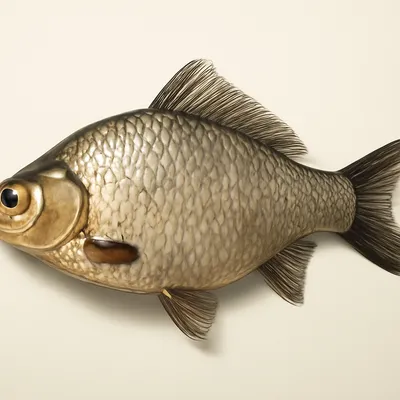

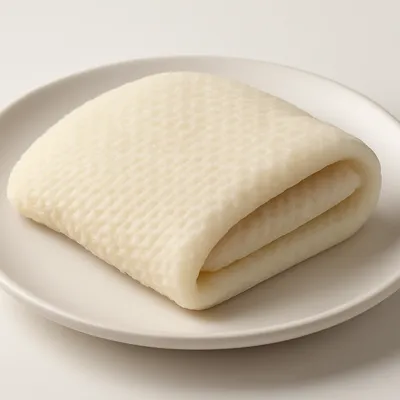


Vegetables



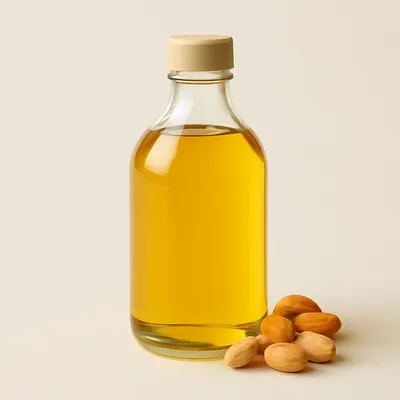
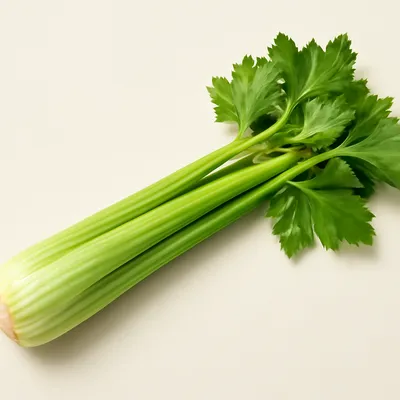
Fruits

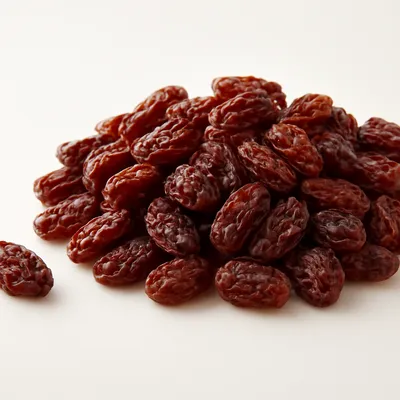

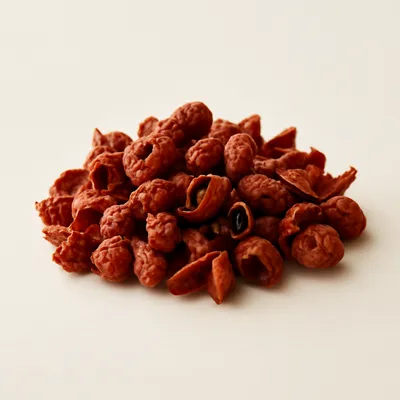
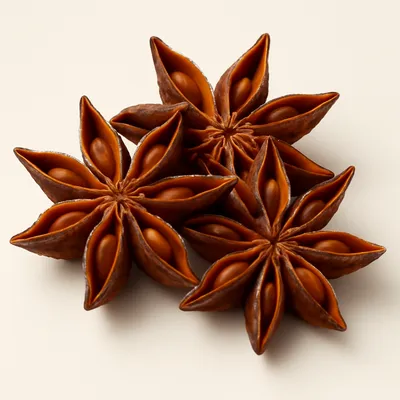
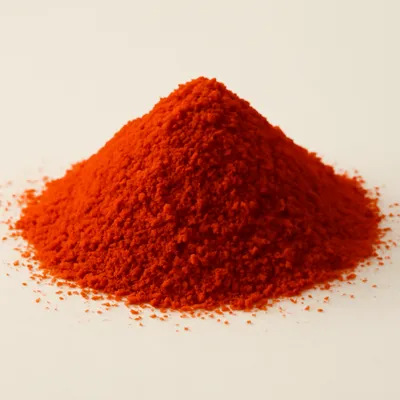
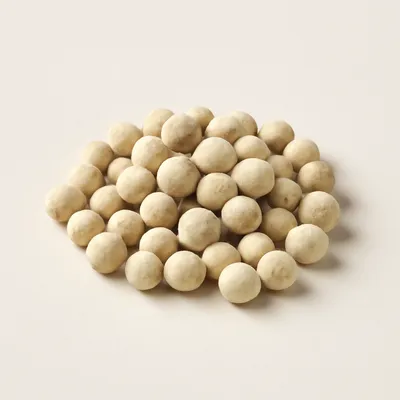
Herbs & Spices


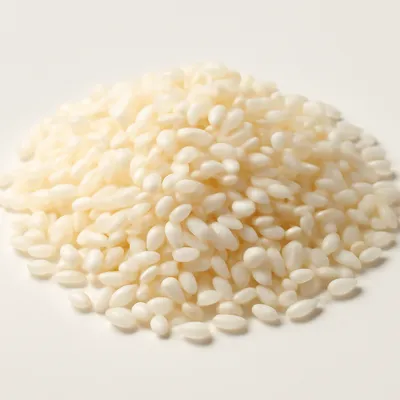
Grains & Staples







Sauces & Condiments





How They Cook
Techniques that define this cuisine
Kindred Kitchens
Cuisines built on the same signature ingredients
Other regions
Siblings within Chinese — each its own tradition.
Signature Dishes (163)
Browse all 163 dishes›
Drinks
1
Starters
15




Soups
8


Mains
94












Sides
4
Sweets
5


Snacks
29


