
Shanghai
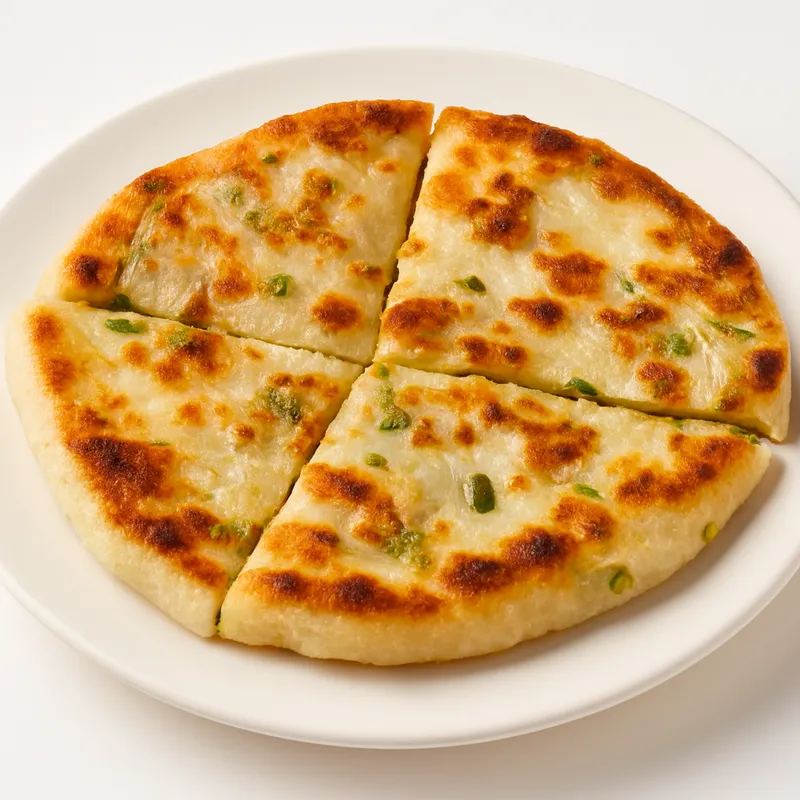
Scallion Pancake: flaky, scallion-studded.
Hong Shao
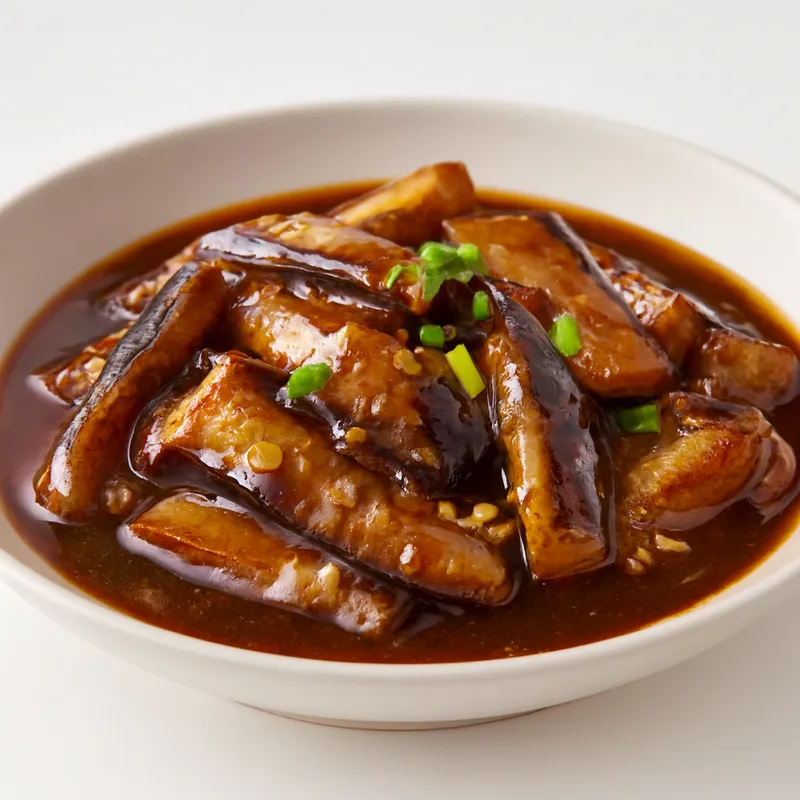
Shanghai cuisine is defined by hong shao, a red-cooking technique that imparts a sweet and savory depth to dishes.
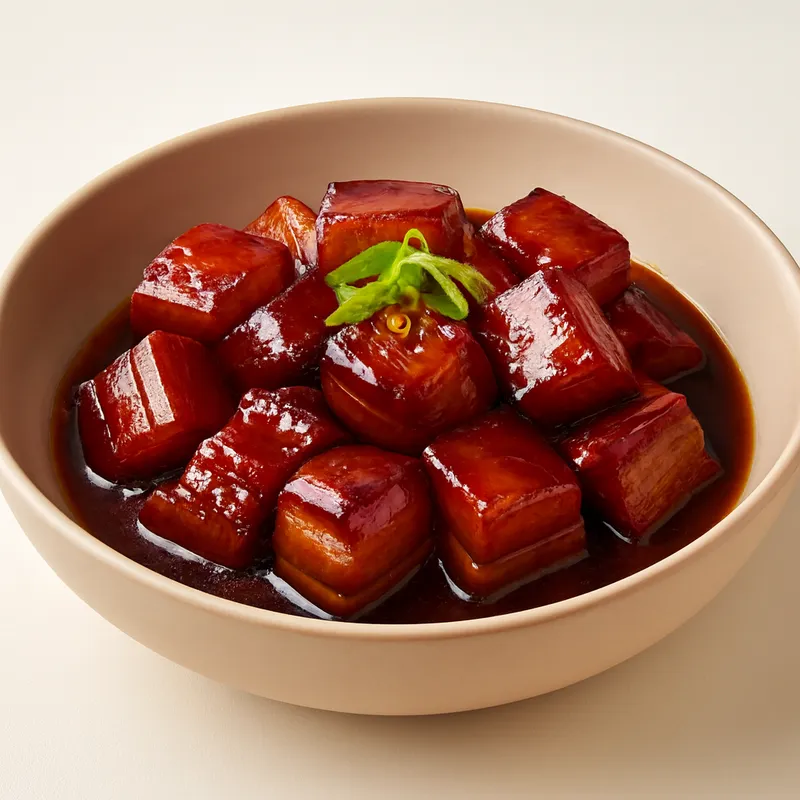
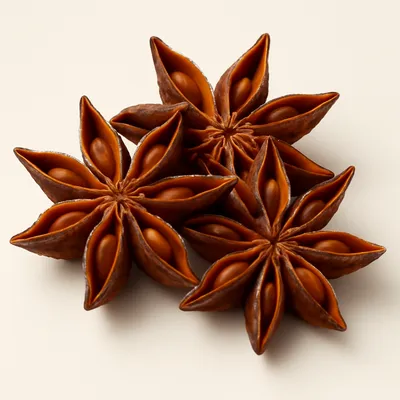
View page →Red Braised Pork Belly, 红烧肉, simmers slowly in soy sauce, Shaoxing wine, and star anise until it turns tender and faintly sweet — a defining dish of Shanghai cooking. A Scallion Pancake, 葱油饼, is fried to a golden, layered crisp, each flaky bite carrying the sharpness of scallions against a gentle, savory base. These are dishes from a region that arranges flavors with precision, balancing sweetness and salt.
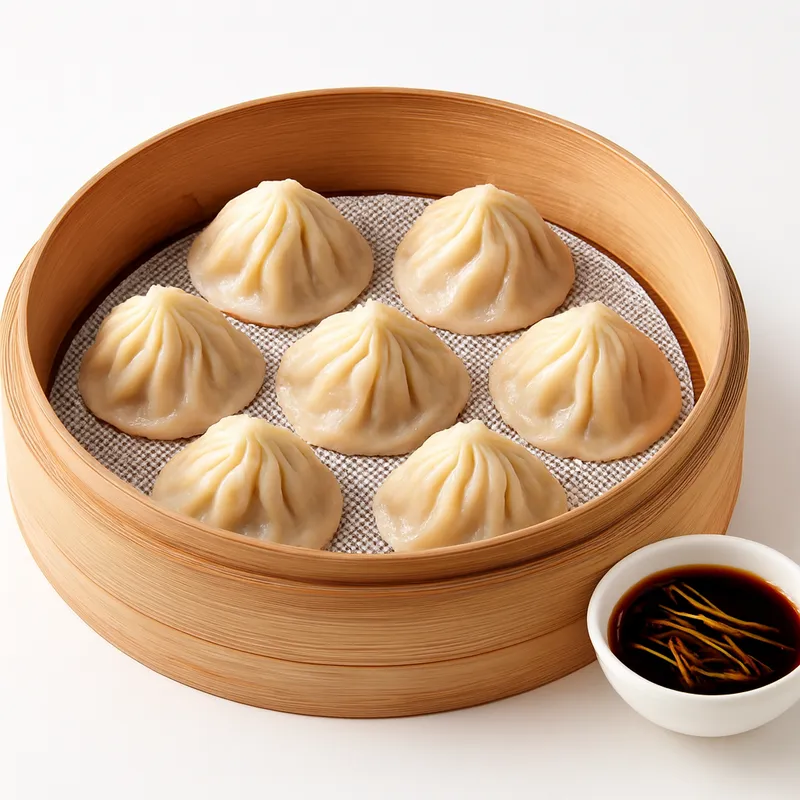
Within the Chinese table, Shanghai cuisine stands out for its use of sugar to enhance umami, creating a balance that is neither too sweet nor overly savory. The style draws on the produce of the Yangtze River Delta and the city's historical openness to global influences. Techniques like braising, 红烧, and the careful construction of dishes such as Xiaolongbao, 小笼包, show a dedication to craftsmanship — where knife work, 刀工, and attention to detail turn simple ingredients into something exceptional. This is Shanghai cooking: precise and unhurried.
Start Here
Pork belly is slow-braised until it achieves a perfect tender texture.
Why start here · It reveals the heart of Shanghai's savory-sweet balance.
The layered texture comes from a technique of rolling and oiling the dough.
Why start here · This dish highlights the importance of texture in Shanghai cuisine.
The broth inside is gelatinized, turning liquid when steamed.
Why start here · It showcases the skillful craftsmanship of Shanghai's cooks.
Cook First
The easiest way in

The Pantry

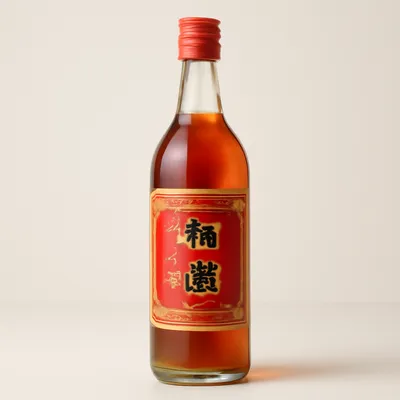



See all 160 ingredients›
Proteins




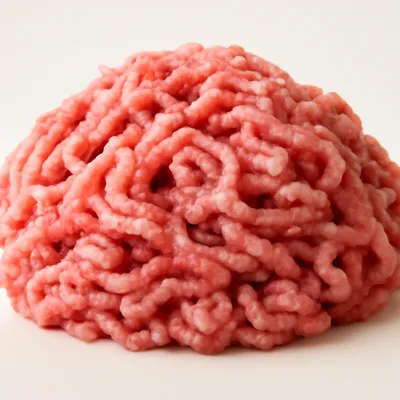
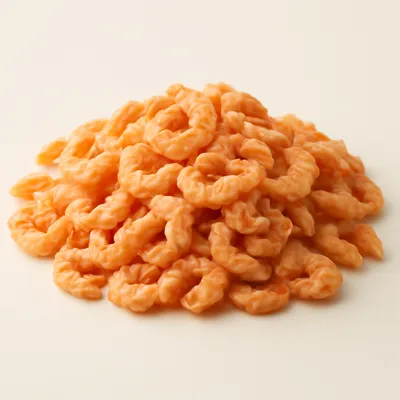




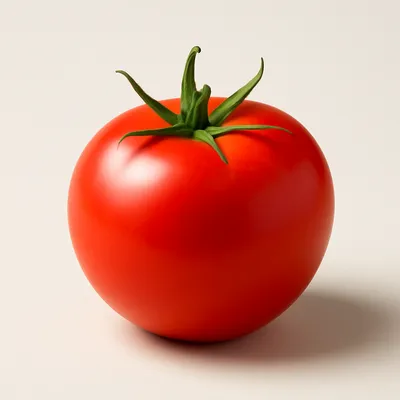
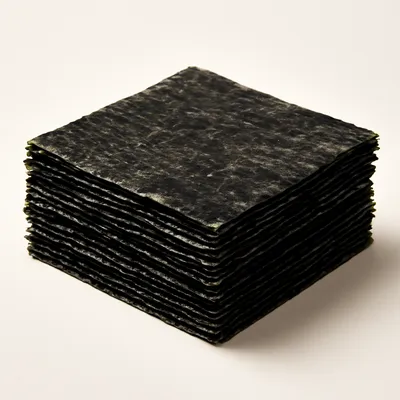


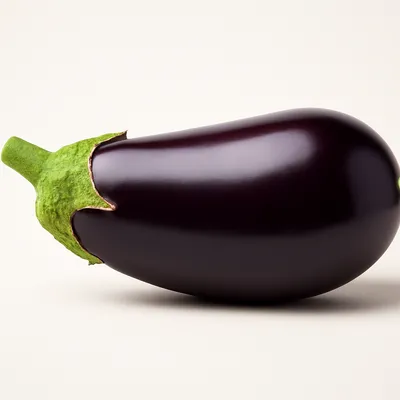
Fruits
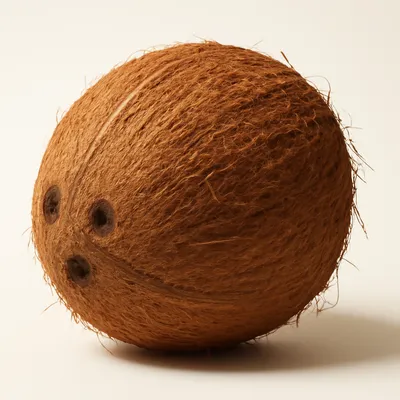
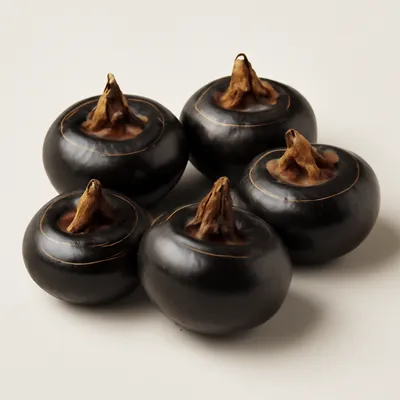
Herbs & Spices




Grains & Staples










How They Cook
Techniques that define this cuisine
Kindred Kitchens
Cuisines built on the same signature ingredients
Other regions
Siblings within Chinese — each its own tradition.
Signature Dishes (59)
Browse all 59 dishes›
Starters
8


Soups
4
Mains
27