

Anhui
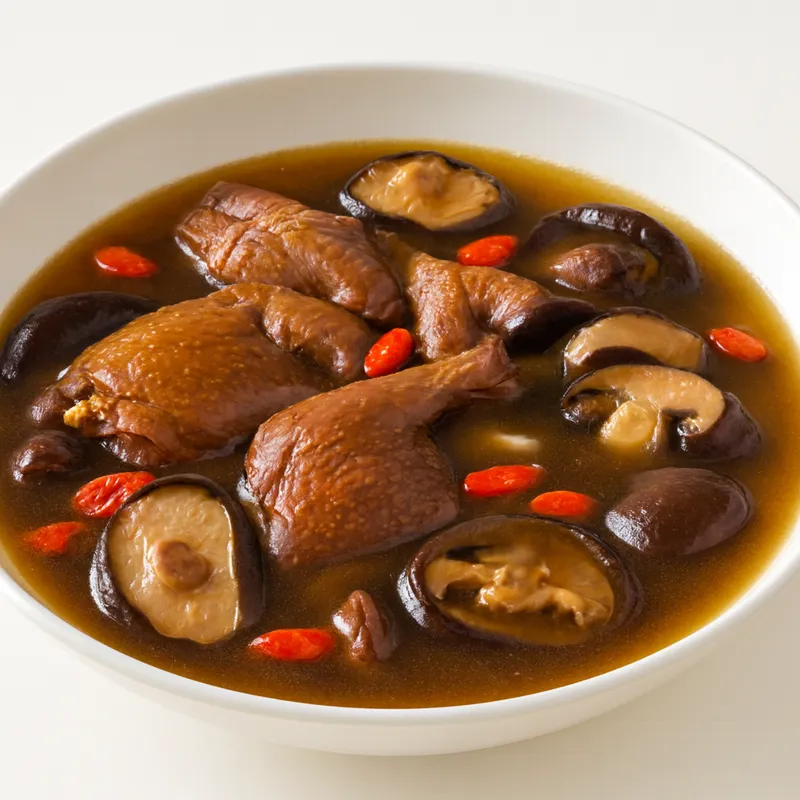
Huangshan Pigeon: tender, herbal stew.
Huizhou Fermentation
Anhui cuisine is defined by its use of fermentation, particularly in dishes like stinky mandarin fish, to enhance umami and depth.
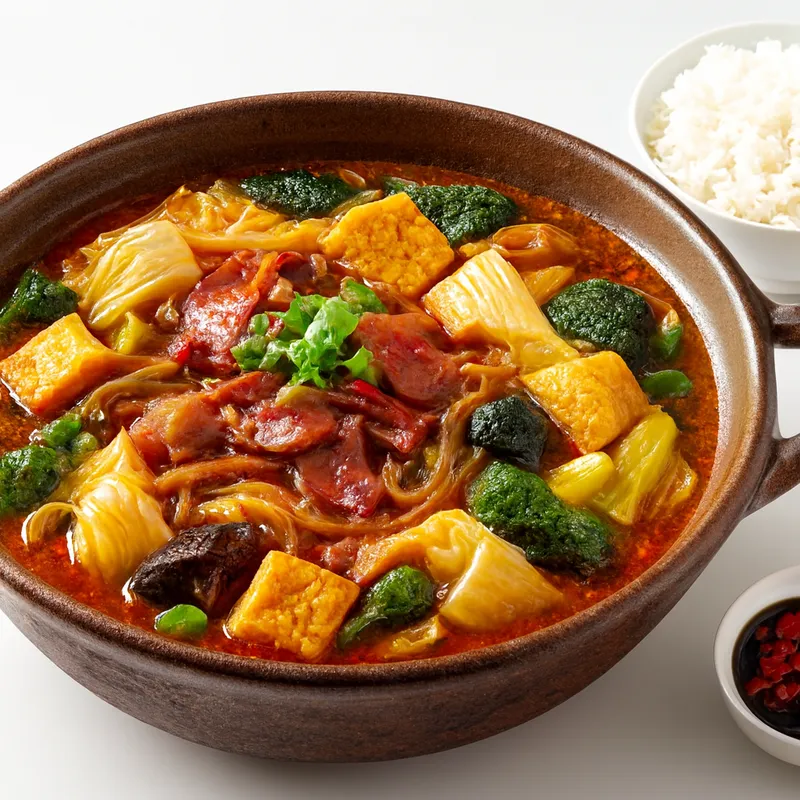
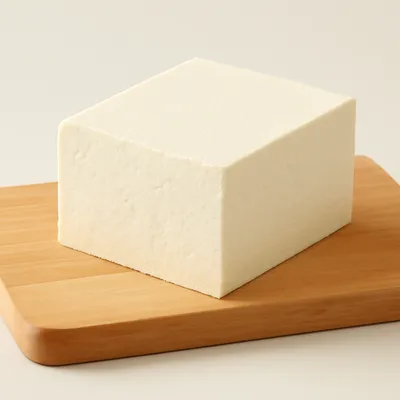
View page →Anhui cooking comes from the inland province around the Yellow Mountains (Huangshan) in eastern China, and it's the most rustic of China's major regional cuisines, built on wild mountain ingredients, foraged herbs, fungi, and bamboo shoots, and a heavy hand with braising and stewing. The defining technique is slow-cooking over a low flame, often with ham and rock sugar, which gives the food a deep, savory-sweet richness rather than spice. Two dishes capture its character: stinky mandarin fish (chòu guì yú), a freshwater fish lightly fermented until it smells pungent but tastes firm and mellow, and Li Hongzhang hotchpotch (Lǐ Hóngzhāng dà zá huì), a catch-all braise of seafood, ham, and vegetables named for the 19th-century statesman. "Hairy" tofu, grown with a furry white mold and then pan-fried, is a regional curiosity, and stewed Huangshan pigeon with rock sugar and goji berries shows the cuisine's quiet, nourishing side.
Start Here
The tofu's moldy exterior transforms into a crispy, savory treat when fried, offering a unique texture and flavor.
Why start here · This dish encapsulates the transformation of humble ingredients into culinary delights.
Tender pigeon meat is enhanced by the earthy and sweet notes of mushrooms and goji berries.
Why start here · It showcases the balance of flavors and the use of local ingredients in Anhui cuisine.
A luxurious stew with sea cucumber and chicken, with a range of textures and flavors.
Why start here · It shows the opulence and complexity that Anhui cuisine can achieve.
Cook First
The easiest way in

The Pantry




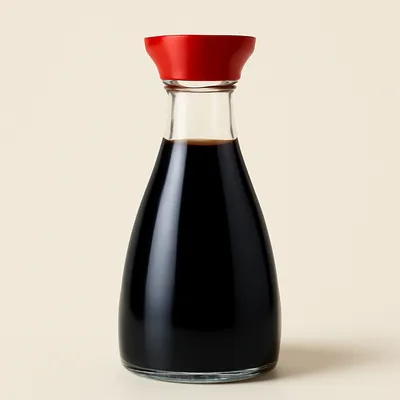
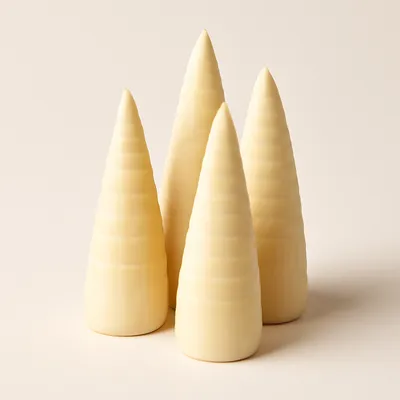
See all 180 ingredients›
Proteins


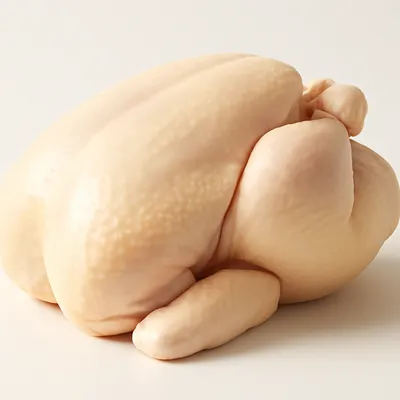

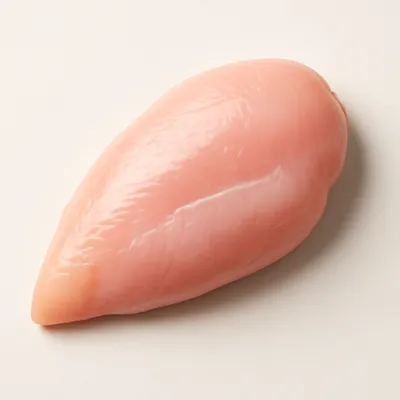
Vegetables








Herbs & Spices



Grains & Staples




Dairy & Fats




Sauces & Condiments




How They Cook
Techniques that define this cuisine
Kindred Kitchens
Cuisines built on the same signature ingredients
Other regions
Siblings within Chinese — each its own tradition.
Signature Dishes (63)
Browse all 63 dishes›
Drinks
1

Soups
5

Mains
33