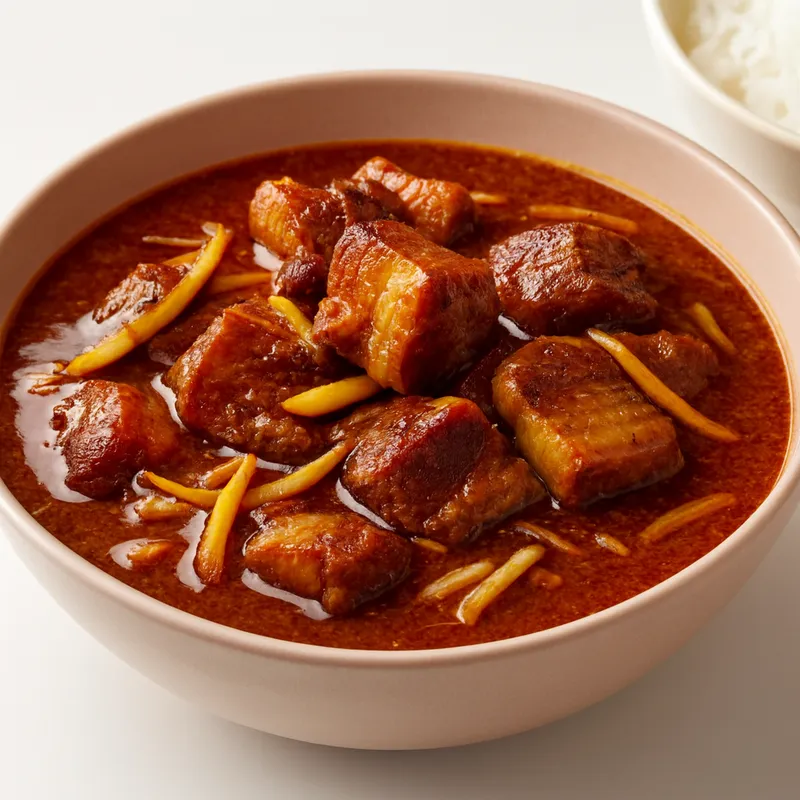
Fresh ginger brings heat and citrus; frying it first softens both.
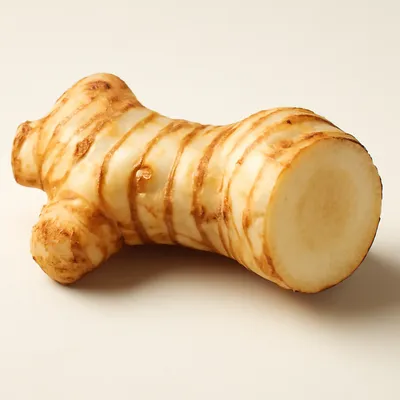
Rhizome with zingerone warmth; used fresh, dried, or pickled across Asian cuisines.
Where it comes from
Originating from Southeast Asia, ginger has been used for thousands of years in traditional medicine and cuisine, celebrated for its versatility and health benefits.
In the kitchen
Ginger enriches dishes through grating, slicing, or pickling, adding a fiery kick to stir-fries, marinades, and baked goods alike.
Across cuisines
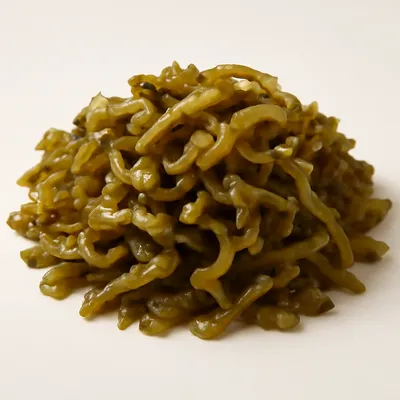
Fresh ginger slices dropped into cold water with meat before blanching draws out blood and off-odours — a technique called "flying" (飞水). Aged hen soup uses a thick knob of old ginger (老姜, more fibrous and intensely pungent than young ginger) simmered 2+ hours. In Sichuan mala hot pot, dried ginger adds a different warmth register than fresh. Dapanji includes ginger coins in the spice braise alongside star anise.
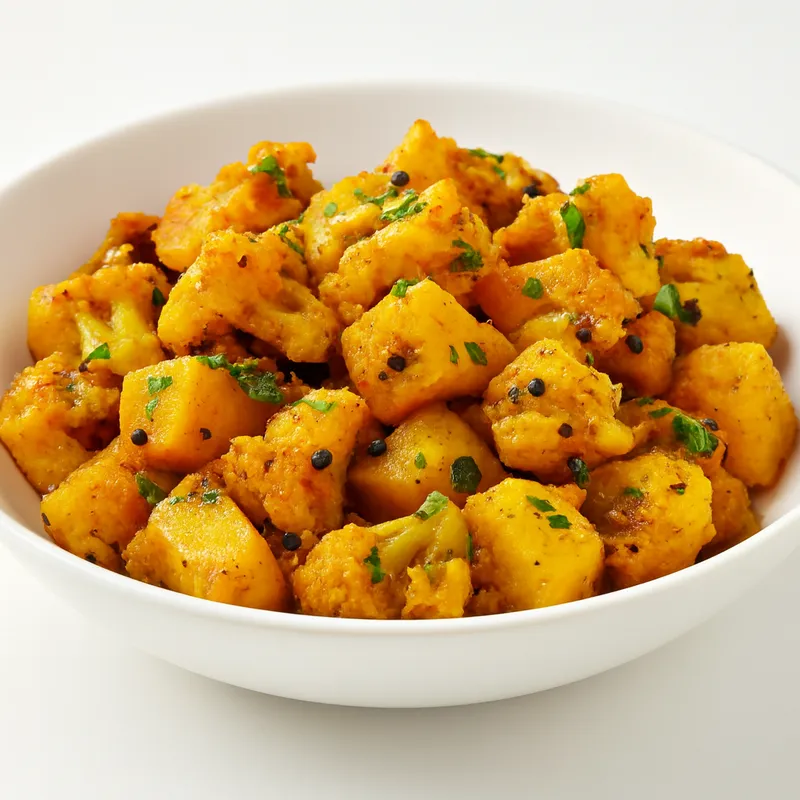
Ginger paste and garlic paste are ground together at 1:1 and stored refrigerated as the backbone prep of most Indian restaurant cooking — added right after onion browns, fried 3–4 minutes until raw smell leaves. Aloo gobi uses this paste as its primary aromatic layer. Amritsari fish batter includes grated ginger alongside ajwain for a distinctive heat profile distinct from chilli.
Notable varieties
Harvested before the rhizome matures (July–August). Thin pink skin, no fibrous strands, mild heat. Used raw in pickles, stir-fried with duck, or thinly sliced as a garnish — completely different texture from mature market ginger.
Fully cured rhizome with dry buff skin and dense fibre. Significantly more pungent than young ginger due to higher gingerol and shogaol concentration. Required for long-simmered broths; the fibre strands are discarded after cooking.
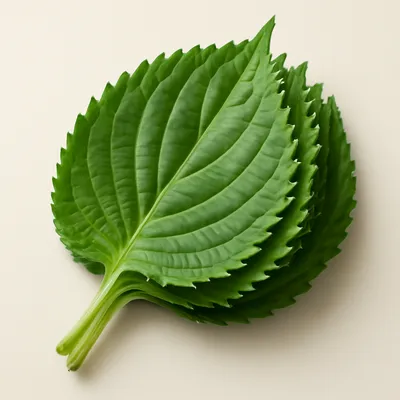
The edible flower bud and shoot of a Japanese ginger species (Zingiber mioga). Not a culinary substitute for root ginger — used raw as a garnish for agedashi tofu, soba, and sashimi. Delicate floral bitterness with a faint gingery note; texture is crisp rather than fibrous.
Nutrition (per 100g)
AI-estimated; model and run unavailable.
Pairs well with