
The vessel itself — pronounced "tah-jeen" — predates the recipe, in use among the Berber (Amazigh) people of North Africa since at least the 9th century. The Arab introduction of dried fruit, saffron, and the spice trade in the 12th-13th centuries gave the dish its sweet-savory profile. Versions stabilized under the Almohad and Marinid dynasties; Fes and Marrakech still cook noticeably different tagines, the former drier and herbier, the latter sweeter.
A symphony of spices and textures, this North African stew warms both heart and soul, with tender lamb mingling with sweet fruits.
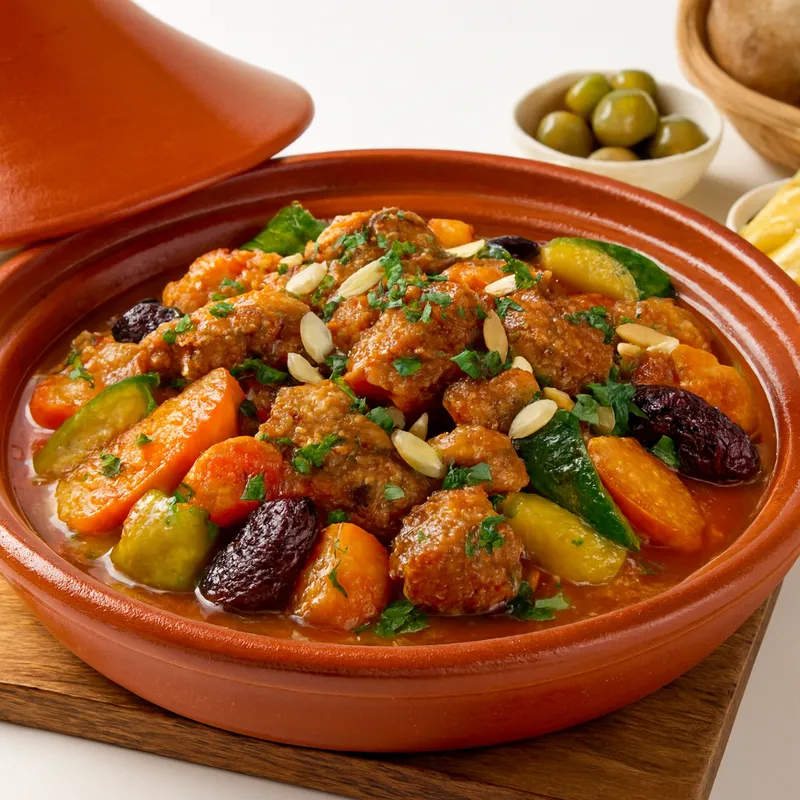
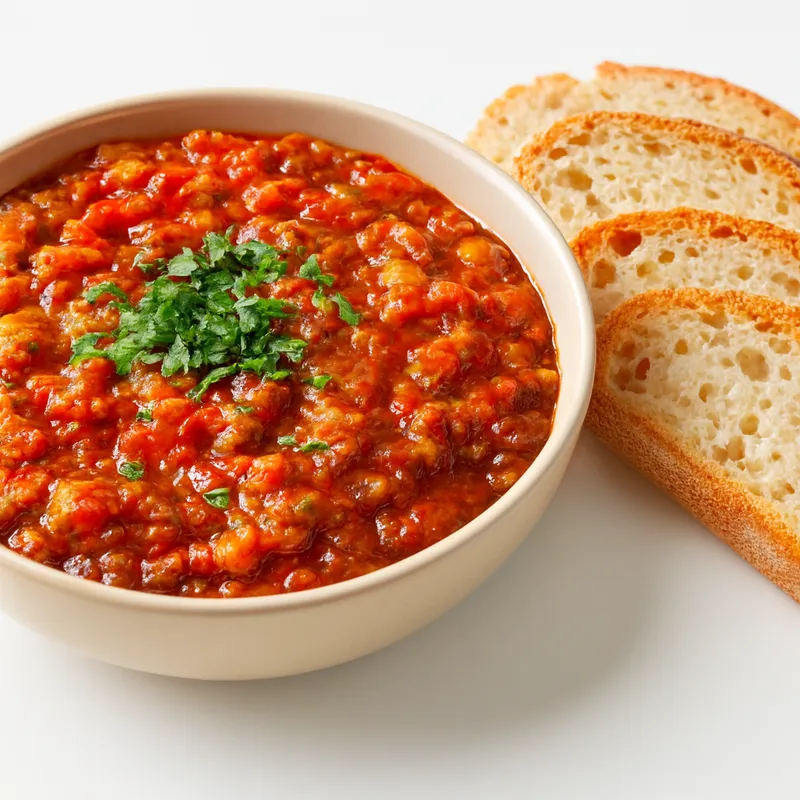
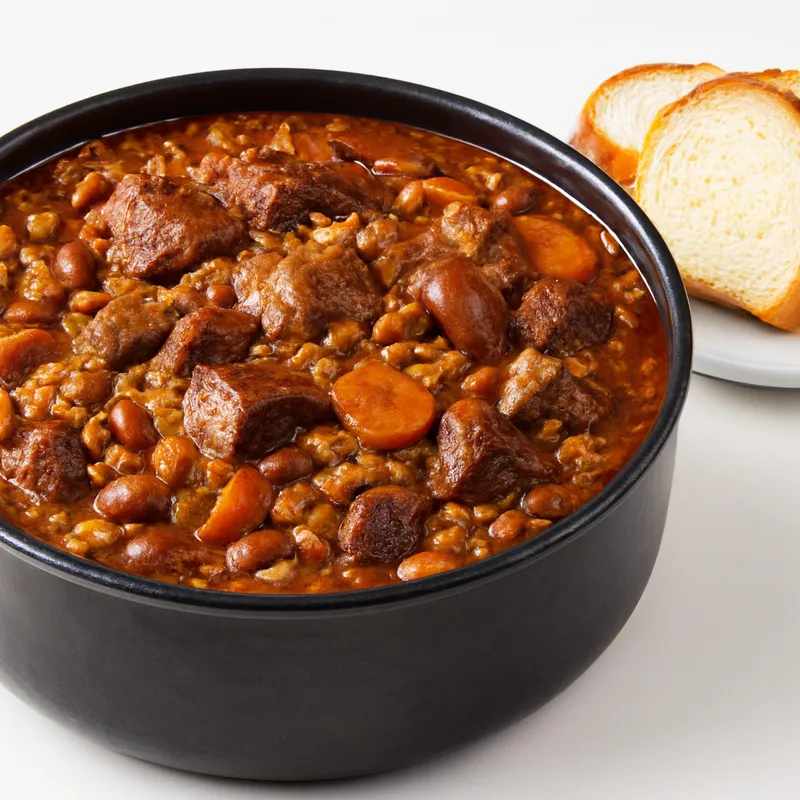
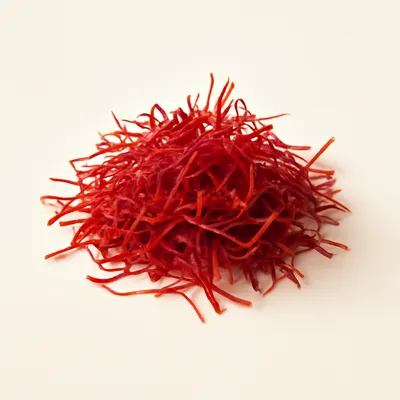
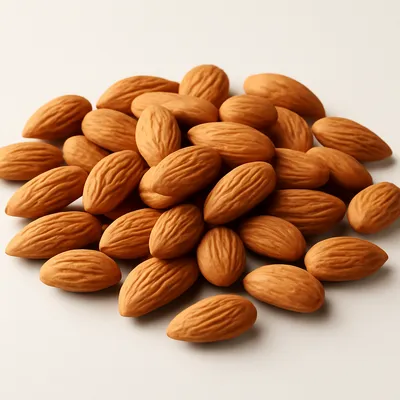
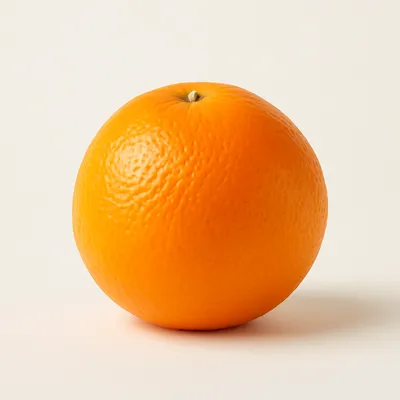
Lamb shoulder cooked three to four hours in a conical clay pot until it pulls apart with a spoon, sitting in a thick orange sauce stained with saffron and ras el hanout. Prunes or dried apricots go in for the last hour — sweet against the lamb fat. Toasted almonds and sesame on top. Eat with bread torn from a round khobz loaf; no utensils. The good version has sauce thick enough to coat the bread without dripping.
The conical lid is the trick — steam rises, hits the cool point of the cone, condenses, runs back down the sloped walls into the stew. The pot self-bastes with very little added liquid (often just half a cup of water at the start). That's why a tagine cooked in a Dutch oven needs a third more liquid and still tastes flatter — the slow internal recirculation is what concentrates the spice oils against the meat.
Variations
M'rouzia (sweet, with honey + saffron); k'dra (lighter, no chili); winter version uses quince-apple, spring uses prune-apricot; Essaouira tagine swaps lamb for monkfish.
- ·Uses lamb as the primary meat
- ·Includes almonds and dried fruits
- ·Middle Eastern variant
On the Palate
Where Lamb Tagine sits in the Moroccan flavor cloud
Brown the lamb hard, then braise low and slow with very little liquid: the deep sear builds the savory base, and a tight lid lets the meat go fork-tender while the sauce stays concentrated, not watered down.
Ingredients







How it's made
6 steps · 40 min active + 1 hour 45 min waiting
- 15 min
Preheat your oven to 350°F (180°C) or 320°F (160°C) with a fan. This will ensure even cooking of the tagine.
- 210 min
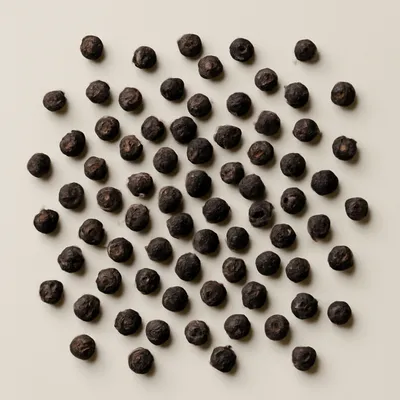
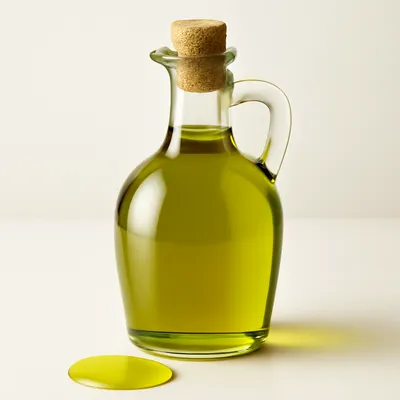
In a large bowl, mix the salt and pepper with the lamb cubes. Heat olive oil in a large oven-proof Dutch oven over high heat until shimmering. Brown the lamb in batches, turning to ensure a deep, caramelized crust on all sides. Remove each batch to a bowl once browned.
Watch outWait for the oil to shimmer and the lamb to release easily from the pot before turning — that's a proper crust.
- 35 min
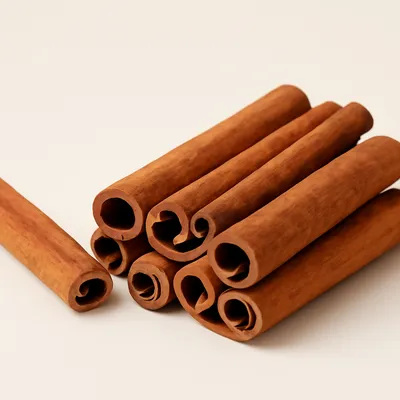
Reduce the heat to medium-high. Add diced onion and minced garlic to the pot, stirring occasionally until they soften and become translucent. Stir in the tomato paste, grated ginger, cinnamon sticks, and prepared spice mix, cooking until the spices bloom and the mixture is fragrant.
Watch outCook the spices in the hot fat until they smell toasty and fragrant; that blooming wakes up the oils.
- 45 min
Pour in the chicken stock and stir well, scraping up any browned bits from the bottom of the pot. Return the browned lamb to the pot, ensuring it is submerged in the liquid. Bring this to a gentle simmer.
Watch outScrape up every browned bit off the bottom as the stock loosens it; that's pure flavor going back in.
- 510 min
Cover the pot with a lid and place it in the preheated oven. Cook for 45 minutes, then add the dried apricots, cover again, and continue cooking for another hour. Check halfway through to ensure the sauce hasn't reduced too much; add water if necessary.
Watch outCheck midway that the sauce hasn't cooked dry; it should stay glossy and just cover the meat.
- 65 min
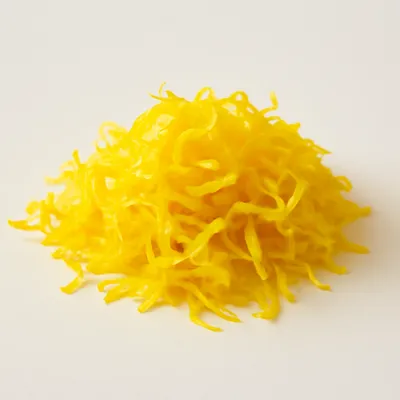
Once the lamb is tender, remove the pot from the oven and stir in the lemon zest gently. The dish is ready when the lamb is fork-tender and the sauce is rich and aromatic.
Archive tool suggestions — not reviewed
These legacy suggestions have not been evidence-reviewed and are not presented as required tools.

A two-piece earthenware vessel from North Africa: a flat round base and a tall conical lid. The cone is the engine — steam rises into its narrow apex, condenses against cooler clay, and drips back down onto the meat below. With a tablespoon of water at the start, a tagine slow-braises lamb shoulder for 3-4 hours over low charcoal embers, the meat self-basting in its own evaporated juices.
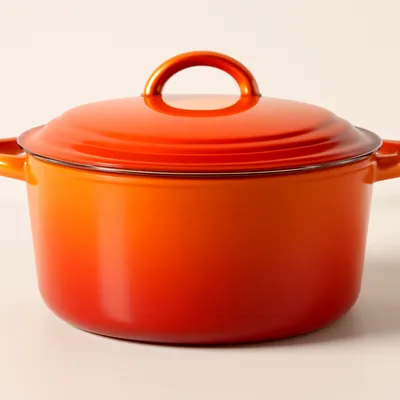
A heavy enameled or bare cast-iron lidded pot, 4-7 liters, with thick walls and a snug lid. The mass evens out hotspots; the lid traps moisture for braising. Sears on the stovetop, then transfers to a 150°C oven for 3-4 hours of even, contained heat — the structural difference between a beef bourguignon that comes out luminous and one that turns to gray mush. Le Creuset and Staub are the celebrated versions; an old American Wagner is functionally identical.

A round-bellied unglazed clay pot, 1.5-3 liters, with a domed lid and side handles, used for slow-cooking Chinese soups, claypot rice (煲仔饭), and stews. The clay's high porosity diffuses heat slowly so soups never come to a violent boil — flavor develops over 2-3 hours of low simmer. Cantonese claypot rice gets its prized crispy bottom (锅巴) from the same direct-flame stovetop heat that would crack a less robust pot.