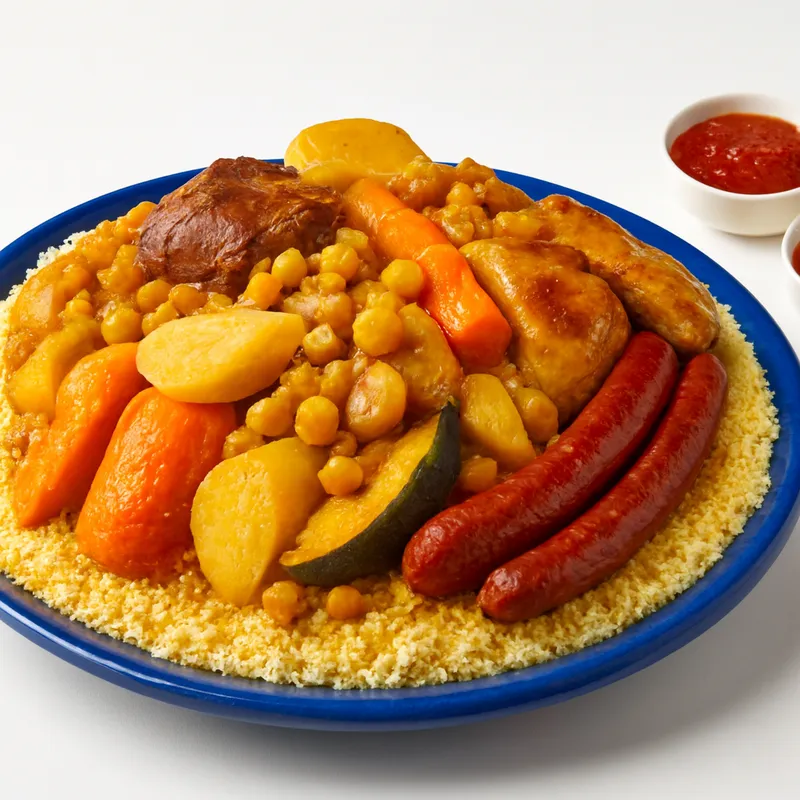



North African Berber origin, dating back at least to the 10th century — the word "couscous" likely comes from the Berber "seksu." The grain itself (rolled durum-wheat semolina) was developed in the Maghreb. "Royal" is the Moroccan-restaurant designation for the version with three meats — at home, families make whatever's in season. UNESCO recognized couscous as intangible cultural heritage in 2020, jointly for Algeria, Morocco, Mauritania, Tunisia.
Berber in origin — the word comes from the Berber seksu and the rolled-semolina grain itself was developed in the Maghreb. UNESCO recognized couscous as intangible cultural heritage in 2020, jointly for Algeria, Morocco, Mauritania and Tunisia. The rule of three steamings is non-negotiable.
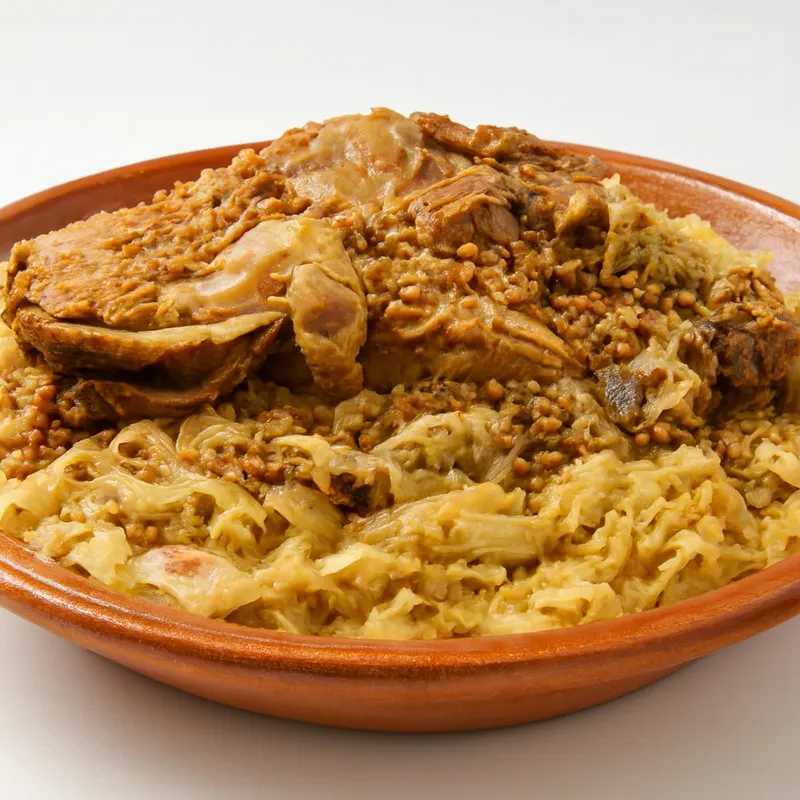
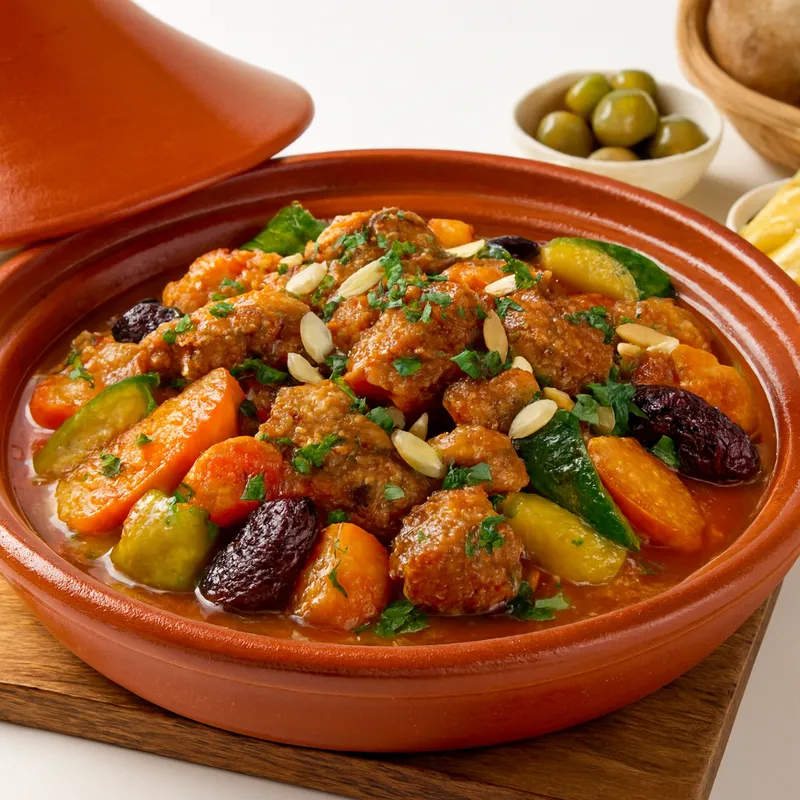
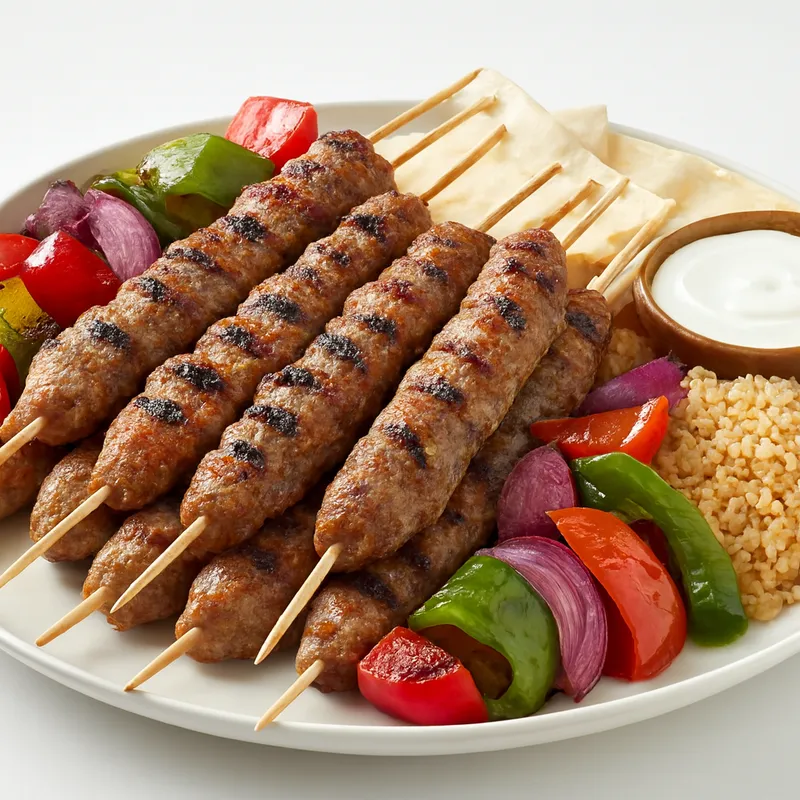
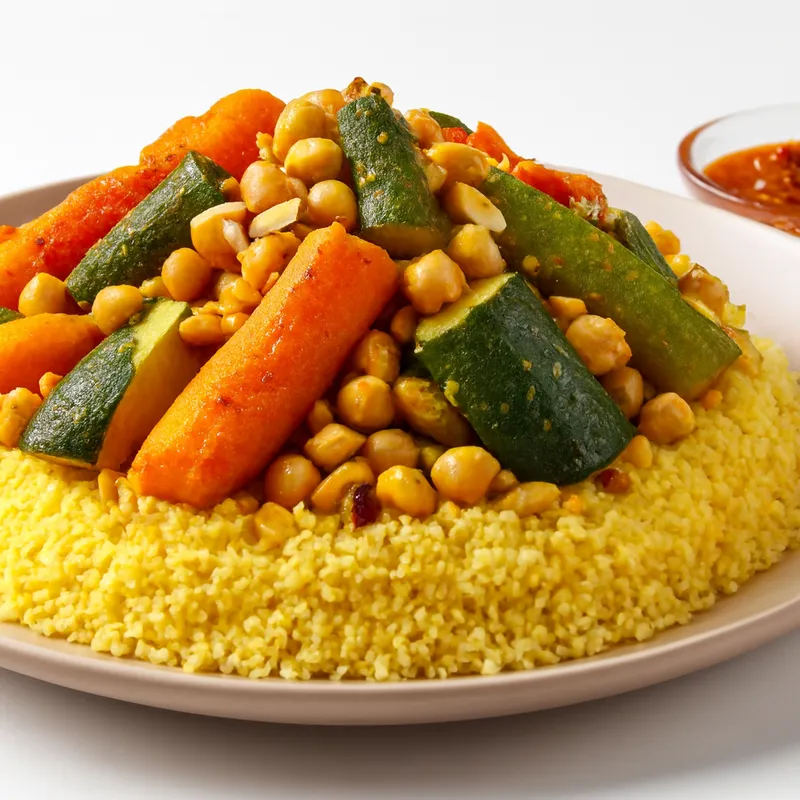
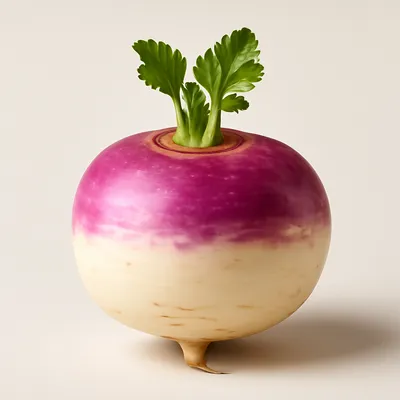
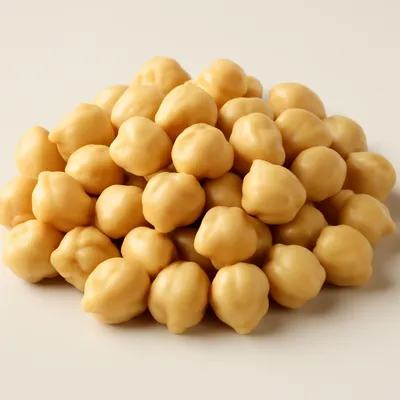
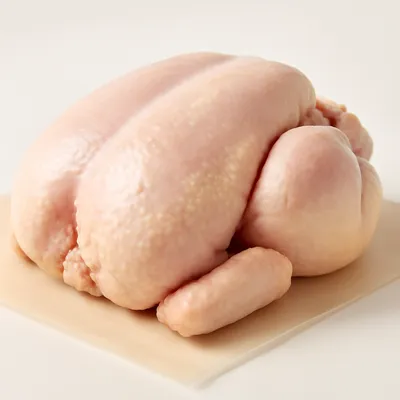
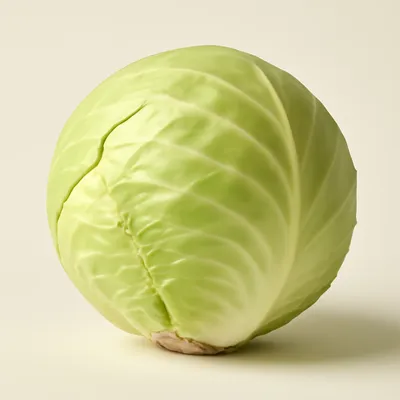
A mound of fluffy steamed semolina on a wide platter, three meats arranged on top — usually lamb, chicken, merguez sausage — with seven vegetables (turnip, carrot, zucchini, cabbage, chickpea, pumpkin, onion) bathed in turmeric-saffron broth. Harissa on the side. Eaten communally, traditionally Friday after midday prayer.
The semolina is steamed three times — never boiled — over the broth pot in a couscoussier (the two-tiered pot). Between steamings the grains are fluffed by hand with oil, salt, and a sprinkle of cold water; this is what gives couscous its airy, separate-grain texture. Boiling makes paste. The rule of three steamings is non-negotiable in Maghrebi households — short-cut couscous (5-minute instant) tastes nothing like the real thing.
Variations
Casablanca-Rabat seven-vegetable bidaoui (the textbook); Marrakech sweet tfaya version (caramelized onion, raisin, cinnamon); Algerian couscous (heavier on chickpeas, often with broad beans); Tunisian couscous bel hout (with grouper or sea bream).
On the Palate
Where Couscous Royal sits in the Moroccan flavor cloud
Ingredients





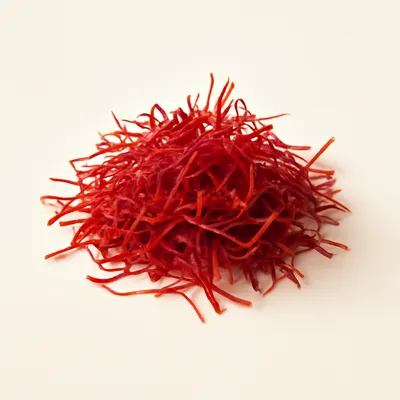


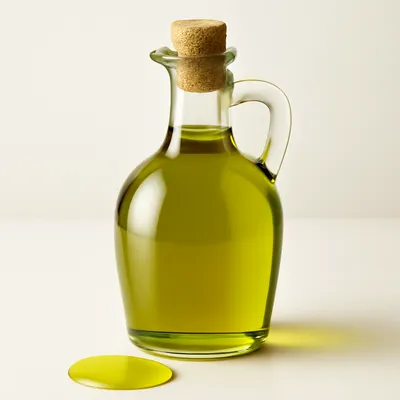
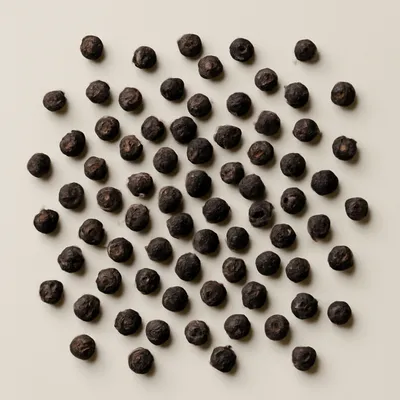

How it's made
5 steps · 35 min active + 45 min waiting
- 15 min
In a large pot, heat olive oil over medium heat. Add chopped onions, stirring until they become soft and translucent.
Watch outEnsure the oil is hot enough to cook the onions without them steaming.
- 210 min
Add lamb pieces and sausages to the pot, browning them on all sides until a rich, golden crust forms.
Watch outSear until a deep golden crust forms and the meat releases from the pot — that browning is the flavor base.
- 35 min
Stir in chopped carrots, turnips, and tomatoes. Add enough water to cover the ingredients, then bring to a simmer.
Watch outMake sure the water covers the ingredients to prevent burning.
- 45 min
Add chickpeas and season with salt and pepper. Cover and let the stew simmer gently until the meats are tender, about 45 minutes.
Watch outKeep it at a lazy simmer, lid on — only a few bubbles, not a rolling boil, until the lamb is fork-tender.
- 510 min
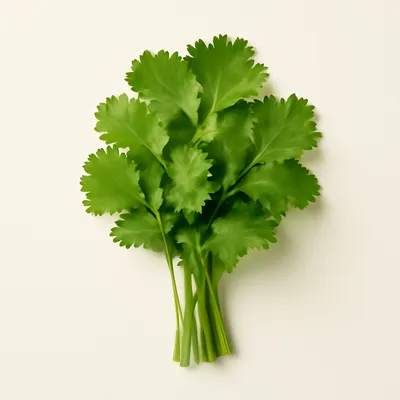
Meanwhile, prepare the couscous according to package instructions, ensuring it is fluffy and light. Serve the stew over the couscous, garnished with fresh cilantro.
Watch outThe couscous should look dry, light, and separate — rake it apart before it clumps, then spoon the stew over.
Archive tool suggestions — not reviewed
These legacy suggestions have not been evidence-reviewed and are not presented as required tools.