

A fixture of Moroccan home cooking across all regions, with no single origin point — eggplant arrived in North Africa via Arab agricultural transmission in the 9th-10th centuries, and tomato came much later via Spain in the 17th. The combination stabilized in 19th-century urban Moroccan kitchens (Fes, Casablanca) as one of the kemia — small cold/warm dishes that open a meal alongside bread. "Zaalouk" likely comes from a Berber root meaning to crush or mash.
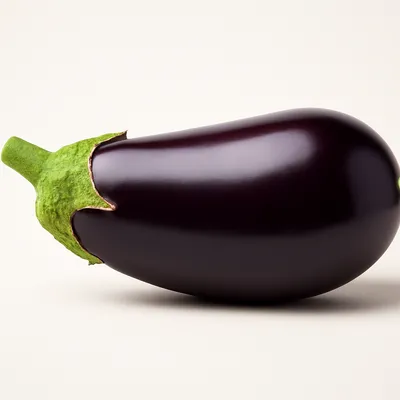
Eggplant arrived in North Africa via 9th-10th century Arab agriculture; tomato came later from Spain in the 17th. The pairing stabilized as a Moroccan kemia in 19th-century Fes and Casablanca kitchens. Char the eggplant whole over flame — that smoke is half the dish.
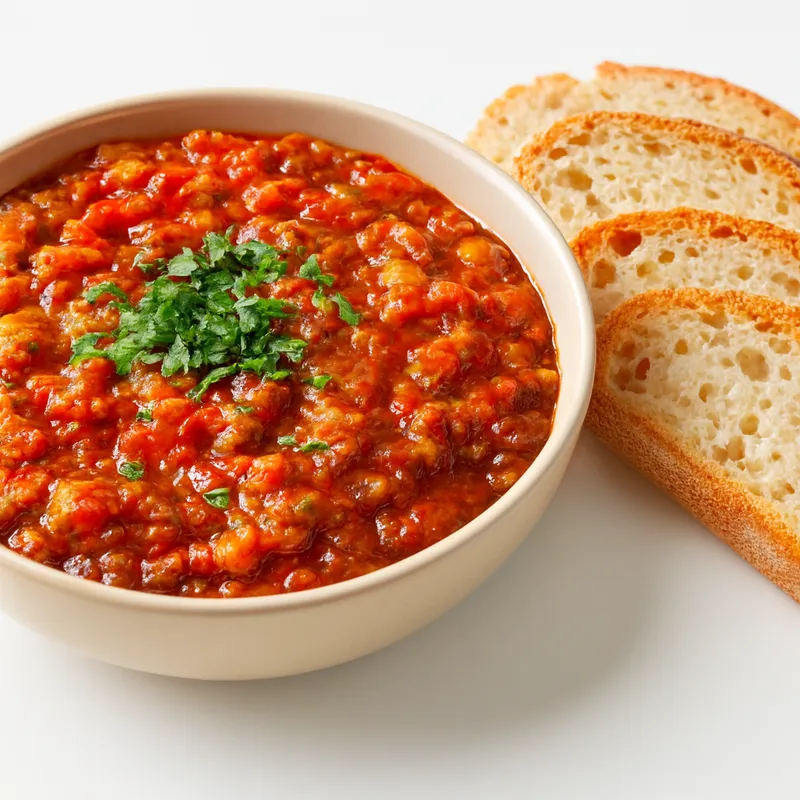
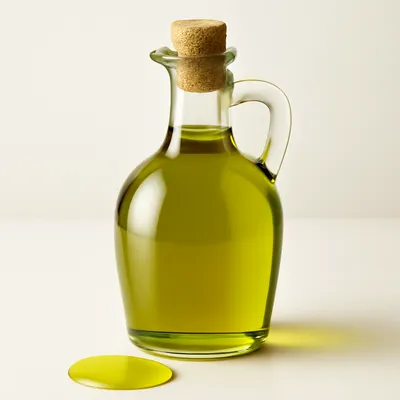
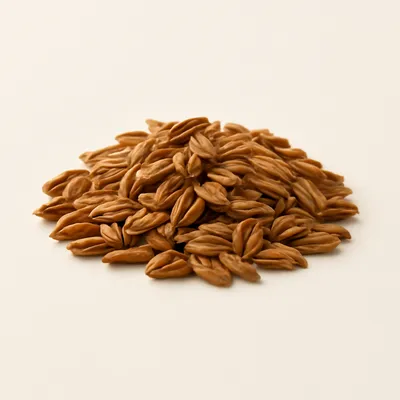
Cooked-down eggplant and tomato, mashed coarse with a fork so you can still see the skin and seeds — not pureed. Garlic, cumin, paprika, and a generous pour of olive oil. Smoke comes through if the eggplant was charred over flame first. Served warm or room-temperature in a shallow dish, scooped with khobz bread; never with utensils. Should sit 30 minutes after cooking — the flavor deepens once the oil and tomato meld. Cold from the fridge, it goes flat.
The eggplant has to lose almost all its water before the tomato goes in — otherwise the dish weeps. Two ways to do it: char whole eggplants over a gas flame until black-skinned and collapsed (smoke route), or cube and salt for 30 minutes then fry hard in oil (caramelization route). Mixing them gives the best body. Olive oil amount is non-negotiable — at least a quarter cup for two eggplants; that's the suspension medium that holds it as a dip rather than a wet stew.
Variations
Fes (smoother, more olive oil); Marrakech (chunkier, with preserved-lemon zest); rural Souss (with argan oil instead of olive); Algerian hmiss (the dry-cousin, capsicum-led, less tomato).
On the Palate
Where Zaalouk sits in the Moroccan flavor cloud
Drive nearly all the water out of the eggplant before the tomato goes in — char it whole over a flame or salt-and-fry it hard — or the whole dip weeps into a wet stew.
Ingredients



How it's made
5 steps · 35 min
- 115 min
Preheat your grill to medium-high. Prick the eggplants with a fork and grill them until the skin is charred and the flesh is soft, turning occasionally, about 15 minutes.
Watch outGrill until the skin is fully charred and blistered and the eggplant sags and collapses — limp all the way through means the flesh is silky and smoky.
- 22 min
While the eggplants are grilling, heat olive oil in a pan over medium heat. Add minced garlic and cumin, stirring until the garlic is golden and fragrant, about 2 minutes.
Watch outAvoid burning the garlic; it should be golden, not brown.
- 310 min
Add chopped tomatoes to the pan, cooking until they break down into a sauce, about 10 minutes. Stir occasionally to prevent sticking.
Watch outCook the tomato right down to a thick jammy sauce with no watery pooling before the eggplant joins it.
- 45 min
Once the eggplants are cool enough to handle, peel off the charred skin and chop the flesh. Add it to the tomato mixture, mashing and mixing until combined. Cook for another 5 minutes.
Watch outMash and fold until eggplant and tomato marry into one glossy mass bound by the oil, no loose liquid.
- 53 min
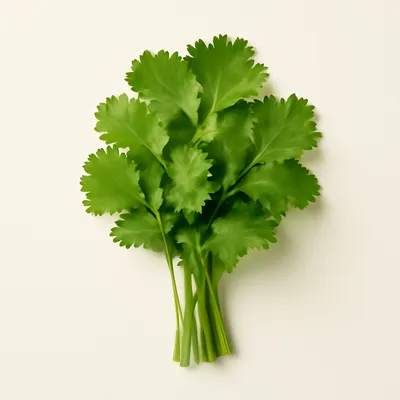
Finish by stirring in chopped cilantro and a squeeze of lemon juice. Adjust seasoning to taste and serve warm or at room temperature.
Archive tool suggestions — not reviewed
These legacy suggestions have not been evidence-reviewed and are not presented as required tools.