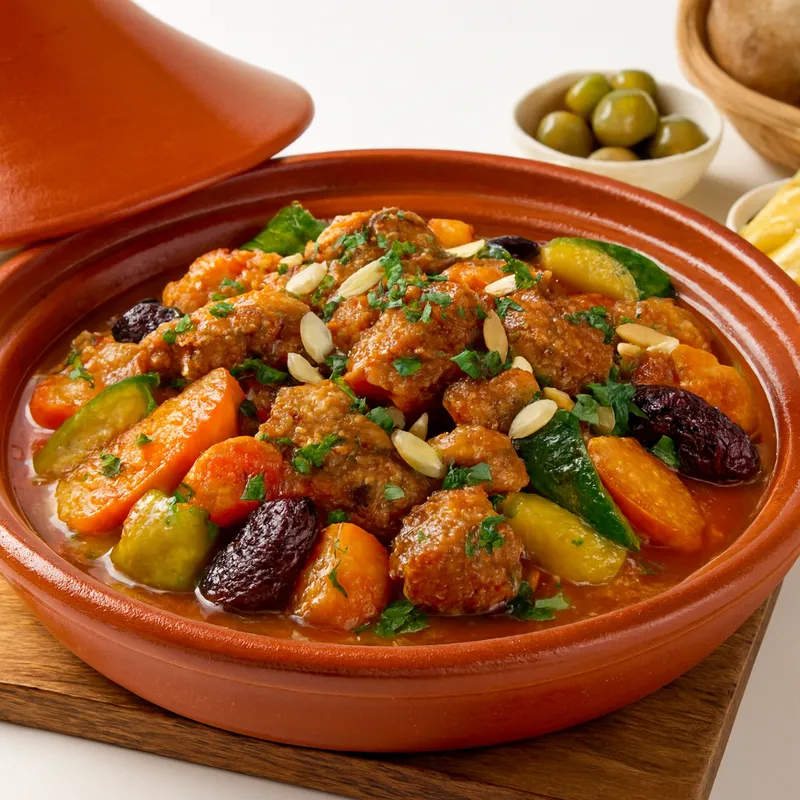



Berber-origin, named for its earthenware vessel — a shallow round base with a conical lid, used across North Africa for at least a millennium. The cone shape is intentional: steam rises, condenses on the cone walls, and drips back down, recirculating moisture. This made tagine the desert nomad's water-saving cooking pot, since open-pot stews would have evaporated dry. Modern Moroccan tagine recipes were codified during the 12th-13th-century Almoravid and Almohad dynasties.
A culinary treasure, Tagine is a slow-cooked symphony of spices that warms the soul.
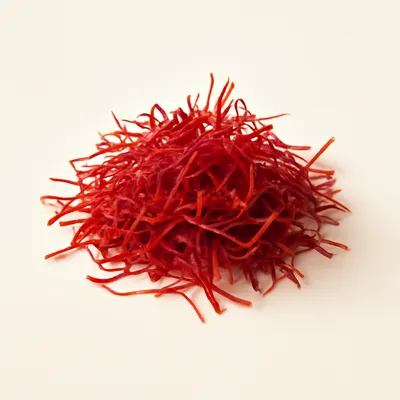
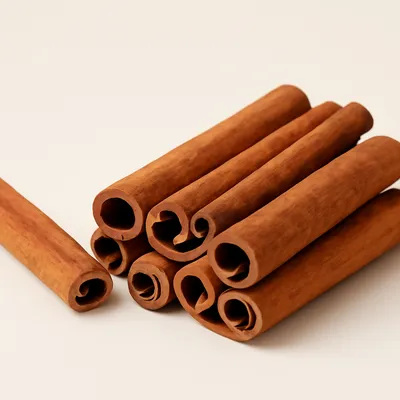
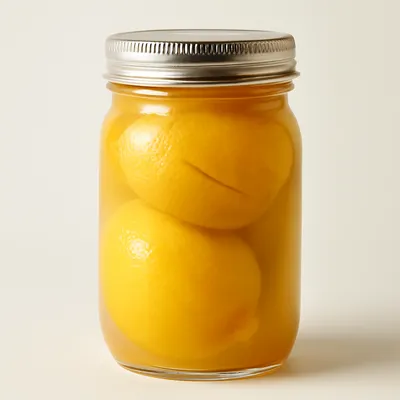
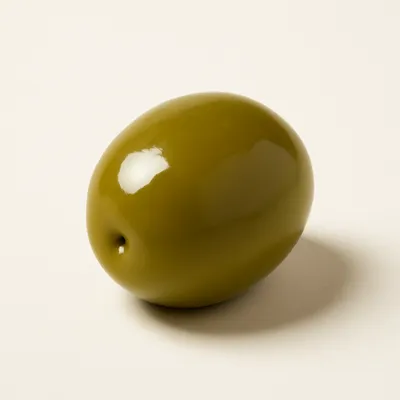
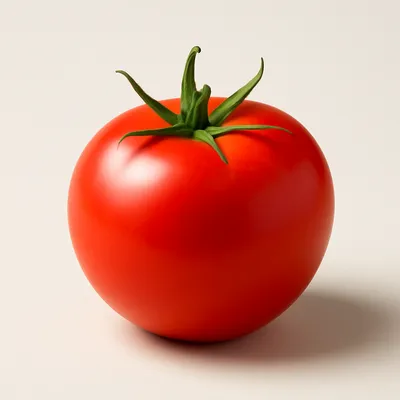
The conical clay lid is lifted at the table; steam rolls out smelling of preserved lemon, olive, ginger, cinnamon, saffron. Lamb shoulder fall-off-the-bone tender (or chicken with preserved lemon, or kefta in tomato), almonds and prunes glazed in the reduced sauce. With bread torn by hand to scoop — Moroccan meals don't come with cutlery.
The cone is not decorative — it's a still. Steam rises into the cone, condenses on the cooler interior wall, and drips back down to baste the food. This means tagine cooks with almost no added liquid; the meat self-bastes in its own juice for hours. Lift the lid to peek and you break the cycle. Authentic tagines are unglazed clay, which holds heat slowly and evenly; modern enameled versions cook hotter and faster but lose the slow magic.
Variations
Mrouzia (sweet, cinnamon-saffron); m'qualli (saffron-ginger, lighter); m'hammer (paprika-cumin, redder); kefta tagine is meatballs and eggs; vegetable tagine in Berber kitchens skips the meat.
On the Palate
Where Tagine sits in the Moroccan flavor cloud
Ingredients


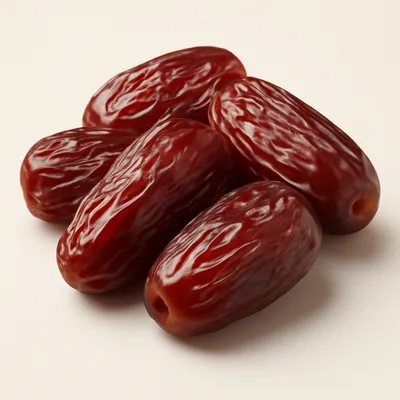
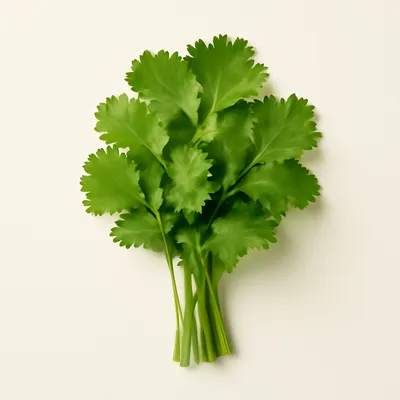

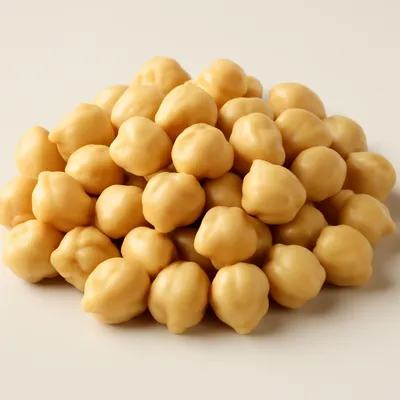
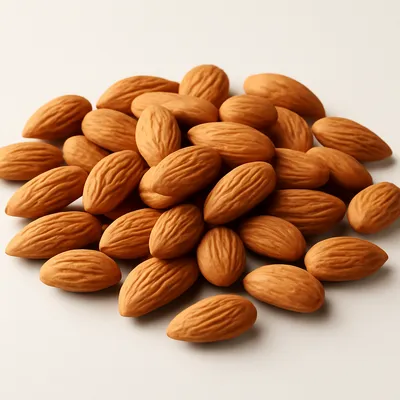

How it's made
5 steps · 37 min active + 1 hour 30 min waiting
- 15 min
In a large tagine or heavy-bottomed pot, heat olive oil over medium heat. Add chopped onions and garlic, stirring until the onions turn translucent and their aroma fills the air.
Watch outOnions should soften to translucent and smell sweet before the meat goes in — don't rush them.
- 210 min
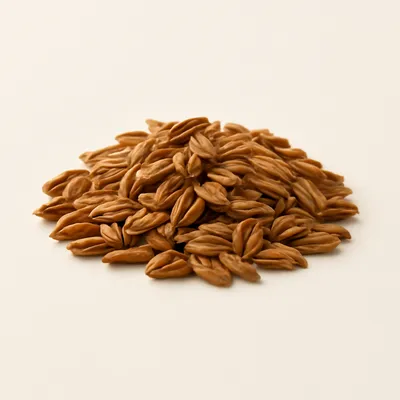
Add lamb pieces to the pot, searing each side until browned and a crust forms. Sprinkle with saffron, cumin, cinnamon, and ginger, allowing the spices to bloom in the oil.
Watch outBrown the lamb hard on each side and toast the spices in the oil until they bloom fragrant.
- 310 min
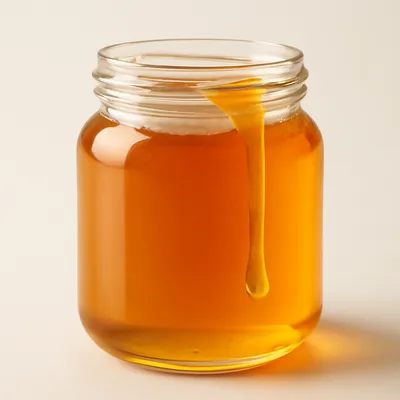
Pour in enough water to just cover the lamb, then add honey, dates, and almonds. Bring to a gentle simmer, cover with a lid, and allow the flavors to meld.
- 410 min
Reduce the heat to low and let the tagine cook slowly for 1.5 to 2 hours, until the lamb is tender and the sauce has thickened. Stir occasionally to prevent sticking.
Watch outBarely a bubble should break the surface; if it's rolling, turn the heat down further.
- 52 min
Before serving, garnish with fresh cilantro leaves. The dish should be aromatic with a balance of sweet and savory flavors.
Archive tool suggestions — not reviewed
These legacy suggestions have not been evidence-reviewed and are not presented as required tools.

A two-piece earthenware vessel from North Africa: a flat round base and a tall conical lid. The cone is the engine — steam rises into its narrow apex, condenses against cooler clay, and drips back down onto the meat below. With a tablespoon of water at the start, a tagine slow-braises lamb shoulder for 3-4 hours over low charcoal embers, the meat self-basting in its own evaporated juices.

A round-bellied unglazed clay pot, 1.5-3 liters, with a domed lid and side handles, used for slow-cooking Chinese soups, claypot rice (煲仔饭), and stews. The clay's high porosity diffuses heat slowly so soups never come to a violent boil — flavor develops over 2-3 hours of low simmer. Cantonese claypot rice gets its prized crispy bottom (锅巴) from the same direct-flame stovetop heat that would crack a less robust pot.