



Brought to Morocco by Andalusian Muslims fleeing the Christian Reconquista in the 13th-15th centuries — the dish is essentially a Moorish Spanish pie that survived its homeland. The original Andalusian version used pigeon, which is why traditional Moroccan recipes still specify it. Stabilized in Fes, where it became wedding and Eid food precisely because the warqa work is labor-intensive — making pastilla signaled hospitality and time.
This pastry is a showstopper, harmonizing sweet and savory like no other, making it perfect for celebrations or simply impressing your guests.
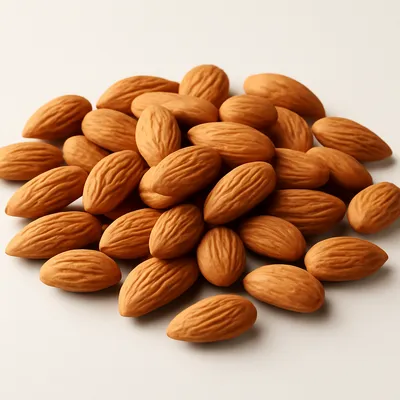
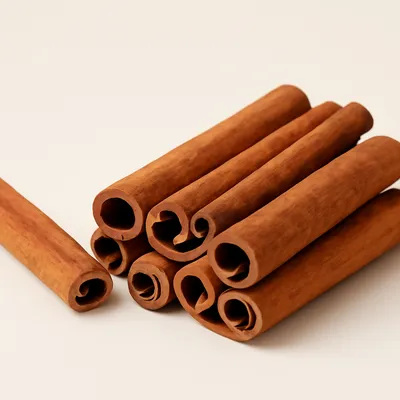
Round savory-sweet pie, palm-sized: shredded pigeon (now usually chicken) and almonds bound with cinnamon-egg curd, wrapped in a dozen layers of paper-thin warqa pastry, baked until shatter-crisp, then dusted with powdered sugar and cinnamon in a lattice on top. First bite: crunch, then warm meat, then sweetness on the tongue. Eaten by hand at the start of a multi-course meal. Sugar-dusting before serving is not optional — it's the dish's defining note.
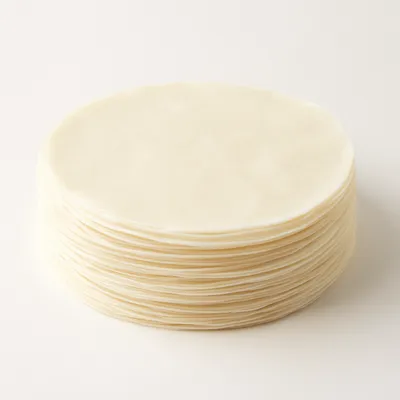
Warqa is not phyllo. It's made by dabbing a wet ball of dough onto a hot inverted pan — each dab leaves a paper layer, peeled off when it dries. A skilled cook makes 30+ sheets per ball. Phyllo substitutes work but go limp; warqa stays crisp under the egg curd because it's drier and oilier. The sugar-on-savory move is Moroccan-Andalusian, not modern fusion — sweet-meat pies were standard in 14th-century Iberia.
Variations
Bisteeya is the Fassi formal spelling; modern Casablanca seafood pastilla; sweet milk-pastilla (mhalbya) is the dessert version; Moorish-Andalusian Granada also makes a smaller almond version.
On the Palate
Where Pastilla sits in the Moroccan flavor cloud
Ingredients




How it's made
6 steps · 55 min
- 110 min
In a large pan, melt butter over medium heat. Add chopped onions and cook until they are soft and caramelized, releasing their sweetness.
Watch outEnsure the butter does not burn, as it can impart a bitter flavor.
- 210 min
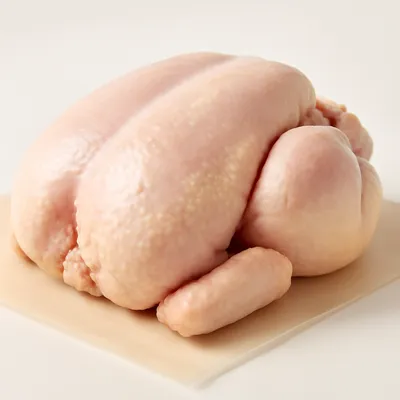
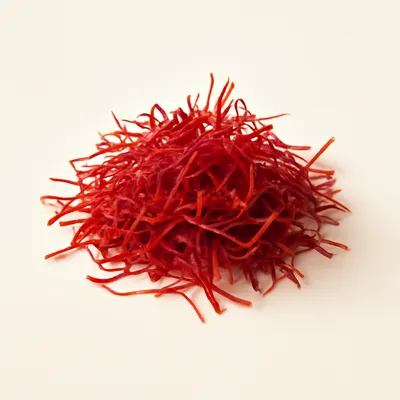
Stir in cinnamon, ginger, and saffron, allowing the spices to bloom in the butter. Add chicken and offal, cooking until the meat is browned and fragrant.
Watch outLet the cinnamon, ginger and saffron sizzle in the butter until fragrant before the meat — blooming the spices in fat is what deepens their aroma.
- 315 min
Pour in broth and bring to a simmer. Let the mixture cook until the chicken is tender and the broth has reduced to a thick sauce.
Watch outReduce the broth until it clings as a thick sauce, not a soup — a runny filling will sog the pastry.
- 410 min
Preheat the oven to 180°C (350°F). Lay out the warka dough, brushing each layer with melted butter. Layer the meat mixture with almonds and parsley, folding the dough over to encase the filling.
Watch outEnsure the layers of dough are well brushed with butter to achieve a crispy texture.
- 55 min
Place the pastilla in the oven and bake until the pastry is golden and crisp, about 30 minutes. The aroma of cinnamon and butter should fill the kitchen.
Watch outBake to a deep, even gold and crisp; the kitchen filling with cinnamon-butter smell is your cue it's done.
- 65 min
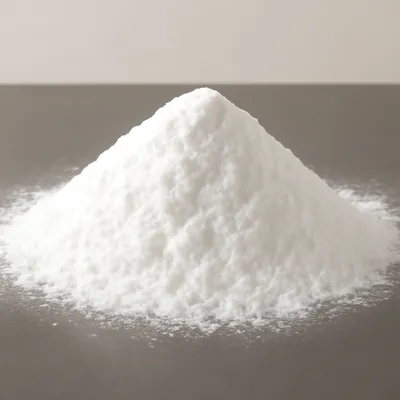
Remove from the oven and let it cool slightly. Dust with powdered sugar and cinnamon before serving.
Archive tool suggestions — not reviewed
These legacy suggestions have not been evidence-reviewed and are not presented as required tools.