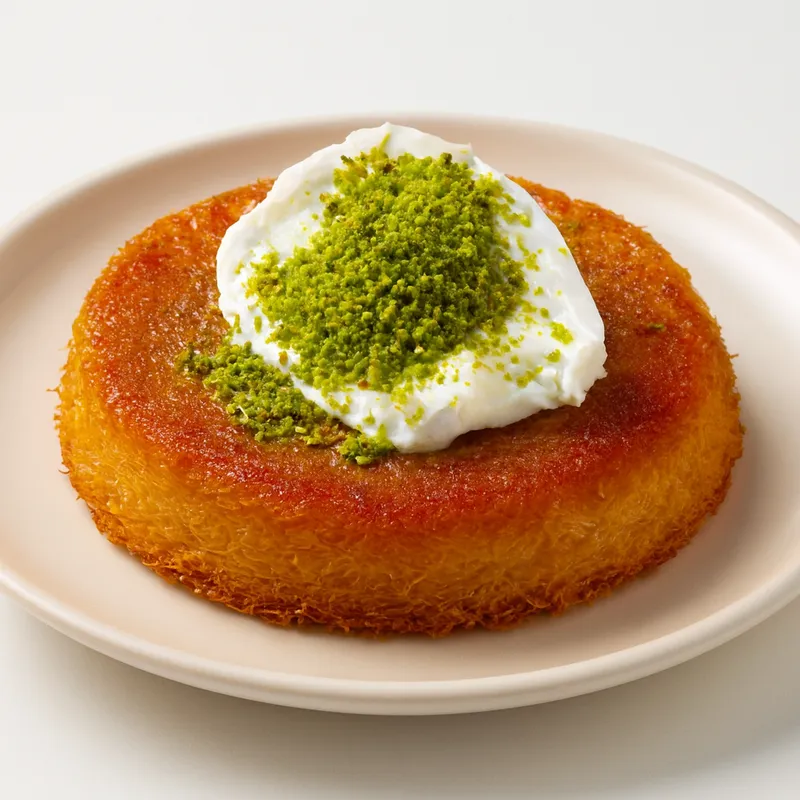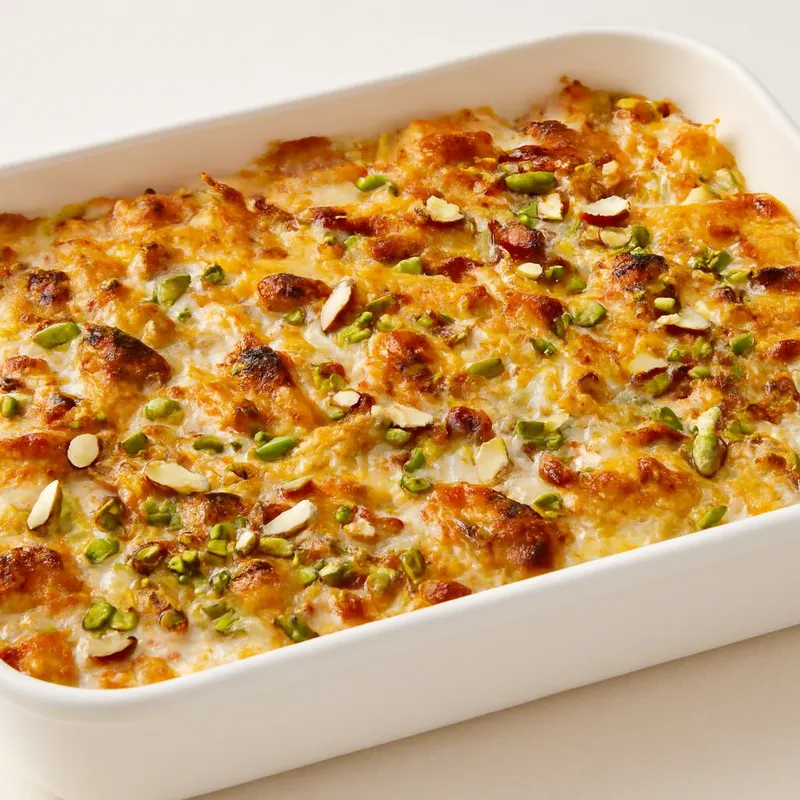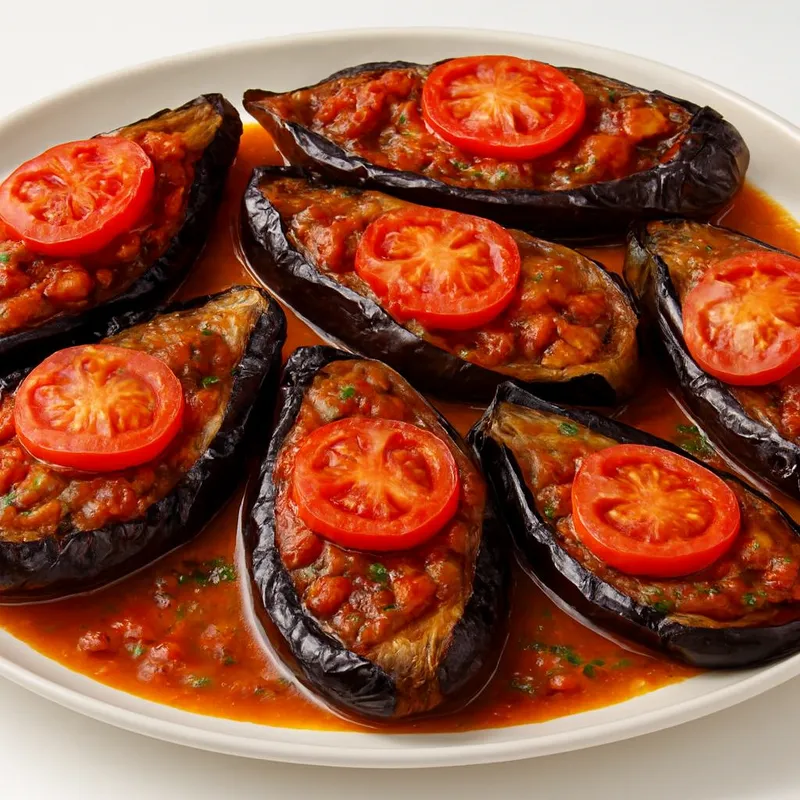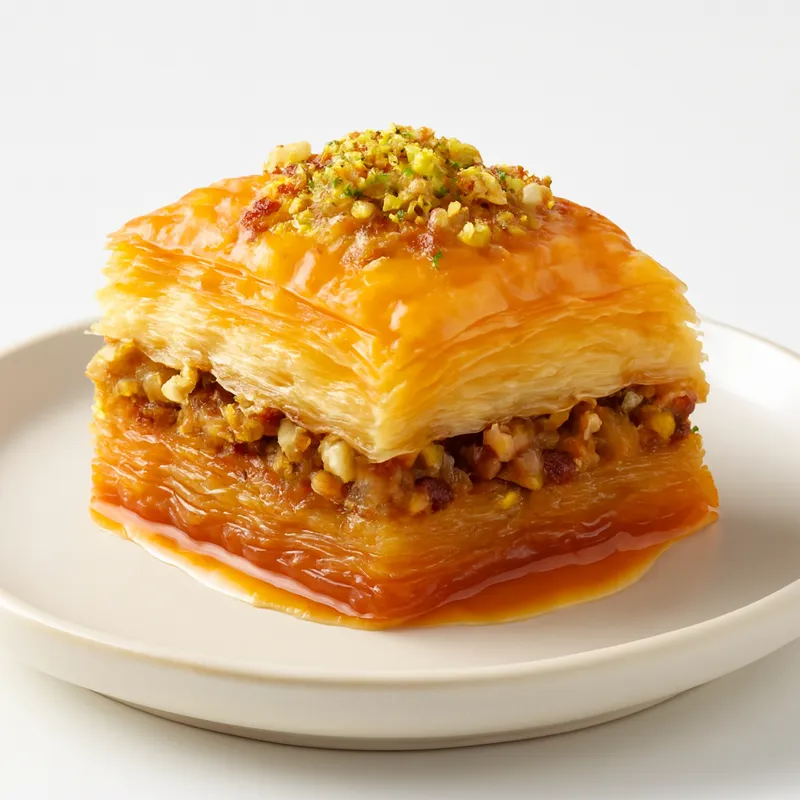
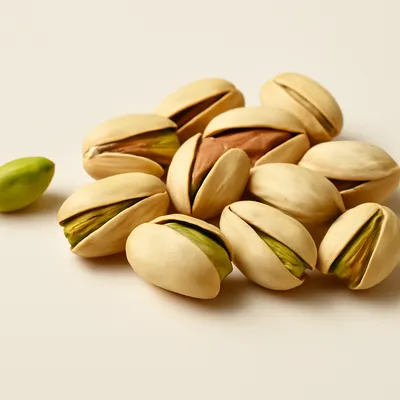


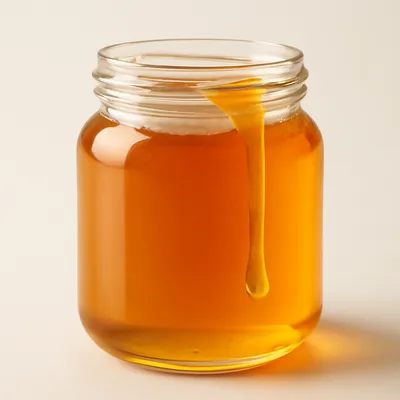

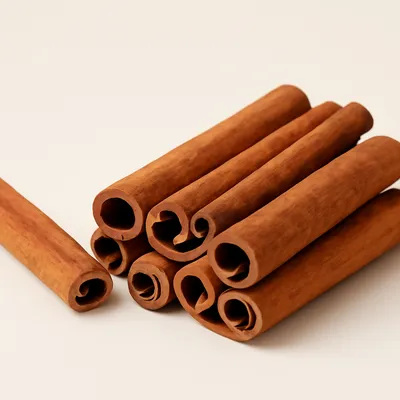
Disputed between Turkey, Greece, Lebanon, and Iran — but most food historians point to the Ottoman imperial kitchens at Topkapı Palace (16th-17th century Istanbul) as the place modern baklava was codified. Gaziantep in southeast Turkey makes the EU-protected (PGI) version with locally grown Antep pistachios — considered the global gold standard. Each region's version differs in syrup ratio (Turkey light, Greece honey-heavy) and nut.
Topkapı Palace's 15th-century kitchens set the 40-layer phyllo standard; the Janissaries got pans of it in the annual Baklava Procession. Pistachio in Gaziantep, walnut elsewhere; syrup hits cold pastry, not hot.
A diamond-cut piece comes off the tray sticky with cooled syrup, pistachio (Antep version) or walnut filling layered between 30+ phyllo sheets. Cool, not warm — warm baklava is soggy. The bite shatters into individual leaves; syrup hits before the nuts. With strong Turkish coffee on the side. One piece is plenty.
Phyllo-stretching technique is the rare skill: a pastry chef in Gaziantep can pull a single sheet to the size of a dining table, thin enough to read newsprint through. 30+ such sheets stack with brushed butter between every one — that's where the shatter texture comes from. Syrup is poured cold over hot baklava (or vice versa) — never both hot, or the layers go soggy.
Variations
Gaziantep is pistachio (PGI-protected) with semolina cream; Damascus walnut version is squarer and less syrup-heavy; Greek karydopita uses walnut and honey only; Iranian baklava is rosewater-cardamom and diamond-cut.
On the Palate
Where Baklava sits in the Turkish flavor cloud
Two things make baklava shatter instead of turn to mush: butter every single phyllo sheet so the layers stay separate and crisp, and pour the syrup at a temperature contrast — cold syrup onto hot pastry (or hot syrup onto cold) — never both hot, or the layers drink it in and go soggy.
Ingredients


How it's made
4 steps · 40 min
- 110 min
Preheat your oven to 350°F (175°C). In a large pan, melt butter until it just begins to foam. Brush a layer of filo with the melted butter, then place it in the pan. Repeat, layering 5 sheets of filo, each brushed with butter.
Watch outMelt the butter until it just foams, then let the milky white solids settle out — brushing with the clear golden fat gives a cleaner crisp and won't leave scorched flecks between the layers.
- 215 min
Sprinkle a generous layer of chopped walnuts or pistachios over the filo. Cover with another 5 buttered sheets of filo. Repeat the process, alternating layers of nuts and filo, finishing with a top layer of filo.
Watch outEnsure each filo sheet is completely covered in butter to prevent drying out during baking.
- 35 min
Using a sharp knife, cut the layered pastry into diamond or square shapes. Bake in the preheated oven until the baklava is golden brown and crisp, about 45 minutes.
Watch outBake until deep golden and crisp all the way through, about 45 minutes — a pale top means the lower layers are still soft and will go gummy once the syrup hits.
- 410 min
While the baklava bakes, prepare the syrup by simmering honey, sugar, and water until slightly thickened. Pour the hot syrup over the baked baklava as soon as it comes out of the oven. Let it soak and cool completely before serving.
Watch outSimmer the syrup just until it coats a spoon and threads slightly — boil it too far and it sets hard and sugary; too little and it stays watery and won't soak in evenly.
Archive tool suggestions — not reviewed
These legacy suggestions have not been evidence-reviewed and are not presented as required tools.