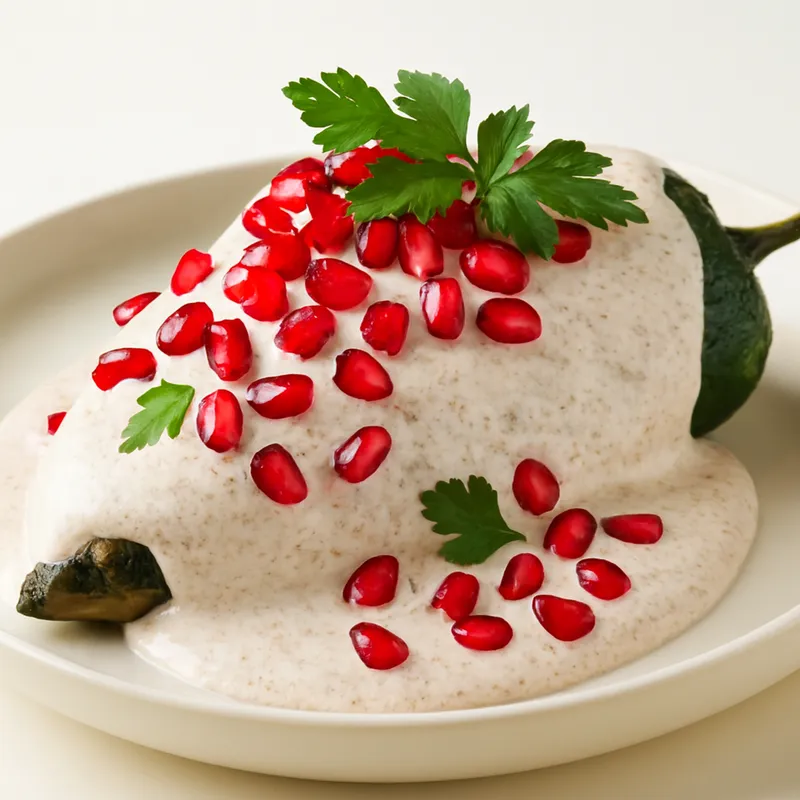
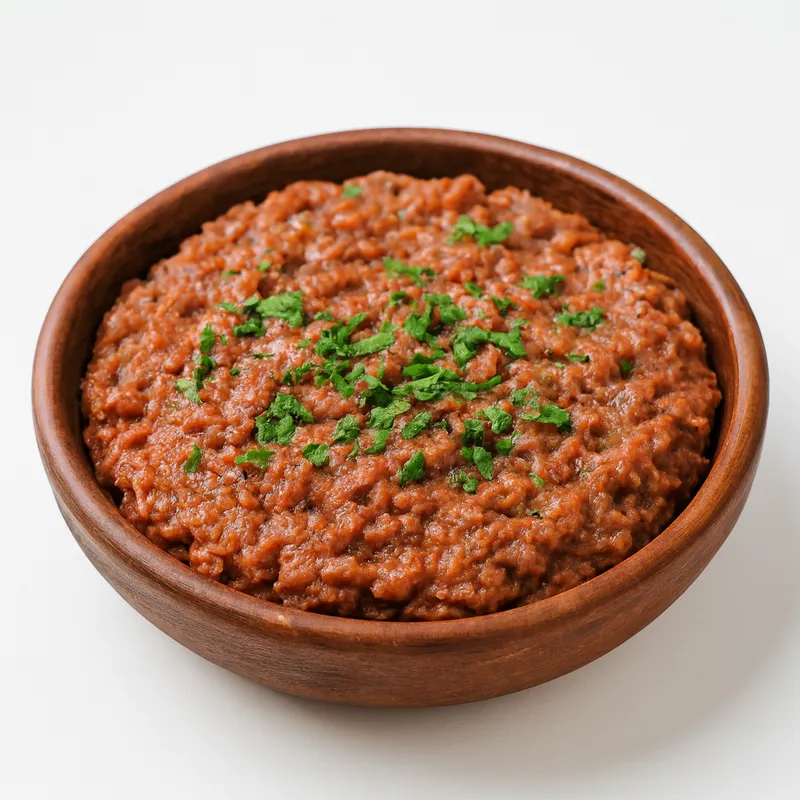
Earthy and rich, walnuts offer a slightly bitter flavor balanced by a creamy texture, making them an essential ingredient in both sweet and savory dishes. Their versatility spans from salads to desserts, enriching every creation.
Where it comes from
Walnuts have ancient origins, cultivated since the time of the Romans and Greeks, who valued them for their health benefits. They are now grown globally, with California being a leading producer.
In the kitchen
Chopped, toasted, or ground, walnuts add depth to baked goods, salads, and sauces. Their oil is prized for its flavor and is often used in dressings, showcasing their culinary versatility.
Across cuisines
In Persian cuisine, walnuts are often ground into a paste to form the base of rich sauces. This technique is exemplified in Fesenjan, where ground walnuts are simmered with pomegranate molasses to create a thick, flavorful gravy. The walnuts contribute both texture and a deep, nutty flavor to the dish.
Georgian cuisine frequently uses walnuts as a thickening and flavoring agent in cold vegetable dishes. For example, in Pkhali, ground walnuts are mixed with vegetables like spinach or beets, along with garlic and spices, to form a thick paste. The walnuts provide a creamy texture and a rich, earthy flavor.
Walnuts are crushed coarse into tarator (where they thicken the cold soup and add fat for body), folded into some banitsa fillings, and pounded into the kyopolou eggplant spread. The Pirin and Rila mountains produce a smaller, oilier walnut than the Anatolian or California version; the Bulgarian dishes are calibrated to it.
Nutrition (per 100g)
AI-estimated; model and run unavailable.
Pairs well with