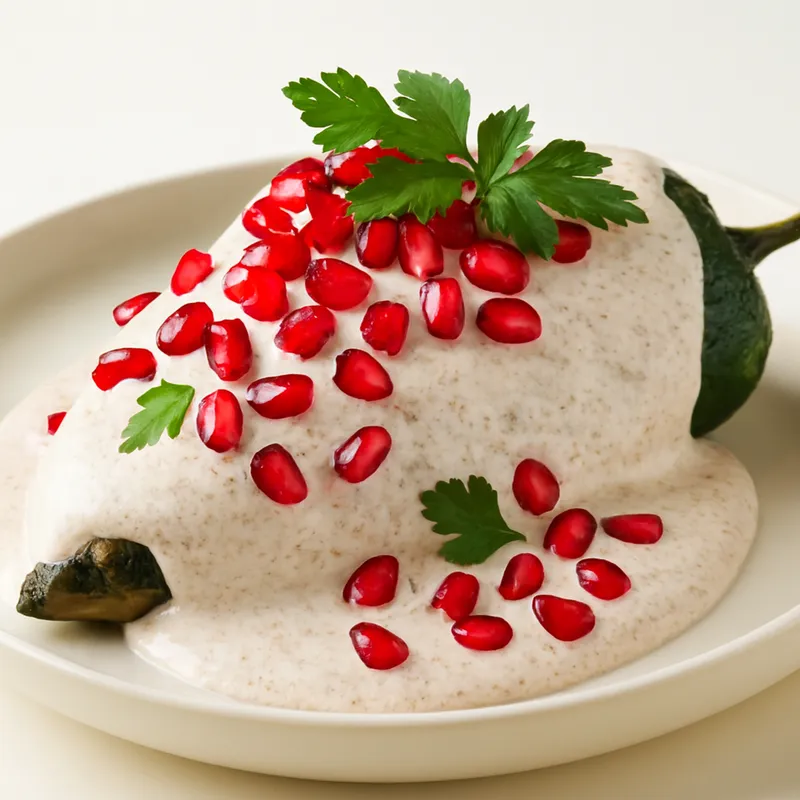
Popularly attributed to the Augustinian nuns of the Convento de Santa Mónica in Puebla, said to have created it in 1821 for Agustín de Iturbide after he signed the Treaty of Córdoba ending Spanish rule — though this is legend, not documented fact: no historical record confirms it and similar stuffed-chile dishes predate Independence. The nuns more likely prepared it for the feast of Saint Augustine (August 28), their patron, which coincides with the Castilian-walnut harvest. The three colors deliberately mirror the new Mexican flag. The seasonal walnut and pomegranate availability — August to September — coincides with Mexican Independence Day on September 16, which is why it remains a strict fall dish.
Puebla 1821 invention by the Augustinian nuns of Santa Mónica for Agustín de Iturbide — three colors of the Mexican flag: green poblano, white walnut sauce, red pomegranate. August-September only.
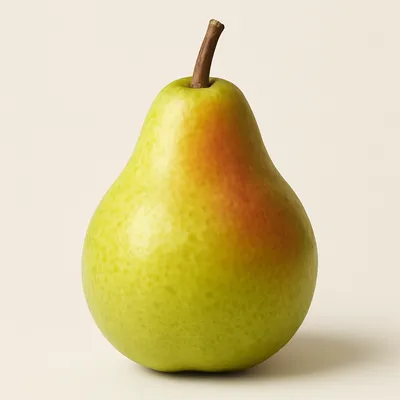
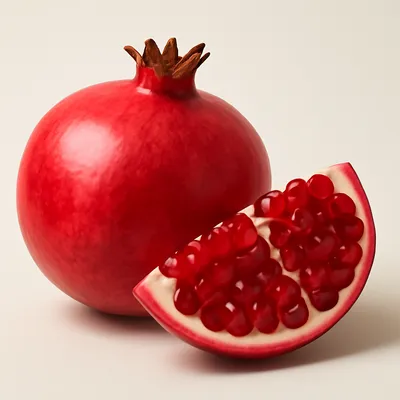
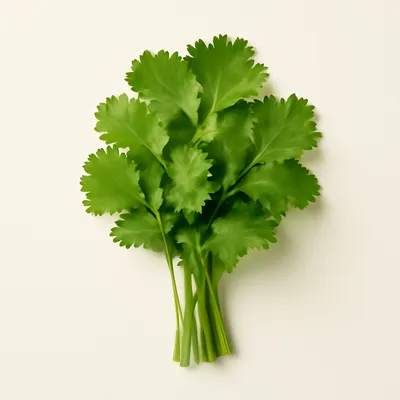
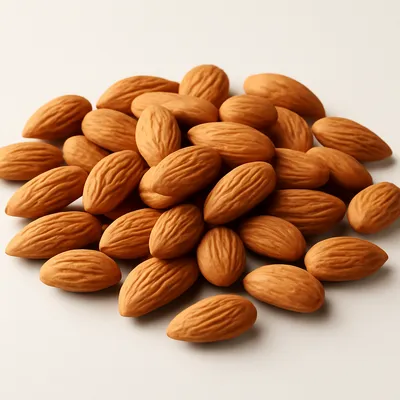
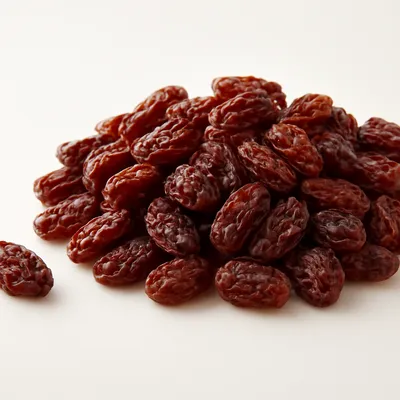
A whole roasted poblano pepper, peeled, stuffed with picadillo — ground pork with diced apple, pear, peach, candied biznaga cactus, almonds, raisins. Draped in cold walnut cream sauce, scattered with pomegranate seeds and parsley. Green pepper, white sauce, red seeds: the Mexican flag on a plate. Eaten only in late summer when fresh walnuts and pomegranate are in season.
The walnut sauce must use fresh, just-shelled green walnuts — older nuts have tannins that turn the cream beige and bitter. Traditional Pueblan cooks peel the inner skin off each walnut by hand, a half-day's work. The sauce is served cold because the nogada is raw and uncooked: the walnuts' omega-3 oils and the fresh cheese and cream would deteriorate and break if heated. The pepper and filling are served warm or at room temperature because the meat's fat turns gelatinous when cold.
Variations
Capeado (egg-battered, traditional) vs sin capear (no batter, modern lighter version); meatless version for fasting; Puebla restaurants compete annually for the best nogada (creamier with fresh queso fresco vs sherry-spiked).
On the Palate
Where Chiles en Nogada sits in the Mexican flavor cloud
The nogada is a raw, cold sauce — blend the fresh peeled walnuts with cream just before serving and spoon it cold over a warm chile; heat it and the walnut oils and fresh cheese break and turn bitter-beige.
Ingredients













How it's made
5 steps · 37 min active + 10 min waiting
- 115 min
Roast the poblanos over an open flame or under a broiler until the skin is charred and blistered. Place them in a sealed bag to steam for 10 minutes, then peel off the skin and remove the seeds.
Watch outChar the poblano skin until it's blackened and blistered all over, then steam it sealed so the skin slips off clean.
- 210 min
Prepare the picadillo by sautéing onion and garlic in a pan until translucent. Add minced meat, apple, and pear, cooking until the meat is browned and the fruits are tender.
Watch outCook the picadillo until the meat is browned and the apple and pear have gone soft and jammy.
- 35 min
Stuff each poblano with the picadillo mixture, being careful not to tear the peppers. Set aside.
Watch outBe gentle when stuffing to prevent tearing the poblano.
- 45 min
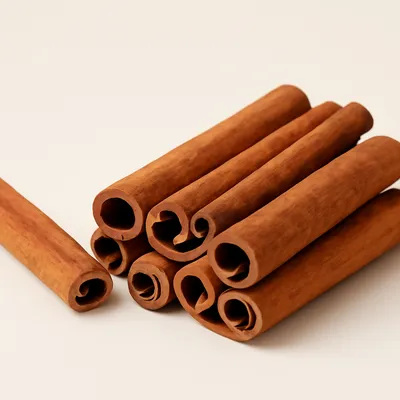
Blend walnuts, cream, and a touch of cinnamon until smooth to create the nogada sauce. Pour over the stuffed chiles.
Watch outBlend the nogada just until smooth and keep it cold — do not heat it before it goes over the chiles.
- 52 min
Garnish the dish with pomegranate seeds and cilantro before serving at room temperature.
Watch outScatter the pomegranate seeds and cilantro and serve at room temperature, with the sauce still cold.
Archive tool suggestions — not reviewed
These legacy suggestions have not been evidence-reviewed and are not presented as required tools.