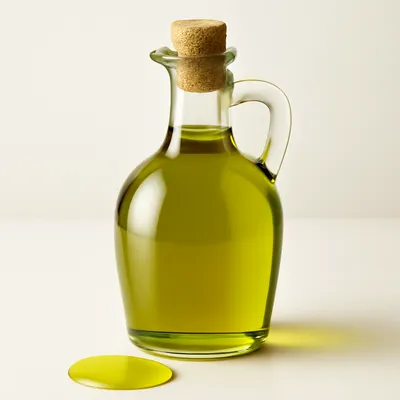

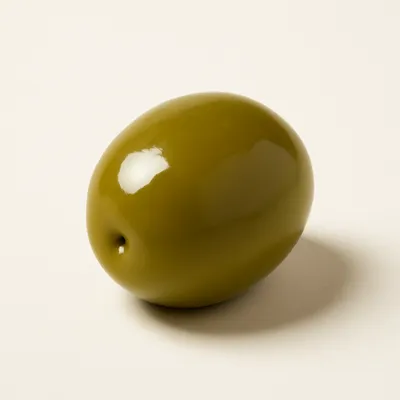

From Beira Interior and Trás-os-Montes, where lagareiros — olive-oil pressers — traditionally got their pay partly in fresh-pressed oil and built dishes around it. The name means "in the style of the oil-presser." Octopus came in via Portuguese coastal trade; the inland marriage with the local oil-and-potato base dates to the late 19th–early 20th c.
From Beira Interior and Trás-os-Montes; the name means oil-presser style, after lagareiros who got paid partly in fresh-pressed oil. Octopus collagen breaks via freeze-thaw before the simmer—the wine cork in the pot is folk theatre, the freezer does the real work.
A whole boiled-then-roasted octopus tentacle, charred at the tips, sitting on smashed "punched" potatoes (batatas a murro) that have been roasted with skin on. Olive oil — generous, peppery, late-harvest — pools in the platter. The octopus should pull apart with a fork; if you need a knife, it wasn't tenderized first.
Octopus collagen needs to be broken first, or the meat eats like rubber. Traditional move: freeze and thaw (ice crystals rupture the cell walls), then simmer 40–60 minutes with an onion or a wine cork in the water (folk superstition; the freezing is what actually works). Roast briefly only at the end, hot, just enough to char the surface — long roasting after boiling dries it out.
Variations
Trás-os-Montes version uses smaller batatas a murro with skin on; Galician pulpo á feira (Spain's Pulpería logic) keeps the octopus on a wooden plate with paprika and oil only; Algarve cooks add bell pepper to the roasting tray.
On the Palate
Where Polvo à Lagareiro sits in the Portuguese flavor cloud
Ingredients



How it's made
4 steps · 35 min active + 40 min waiting
- 110 min
Fill a large pot with water and bring it to a boil. Add the octopus, ensuring it is fully submerged. Reduce to a simmer and cook until tender, about 40 minutes.
Watch outSimmer, don't boil — you want the water just trembling; the octopus is done when a knife tip slides into the thick part with no resistance.
- 25 min
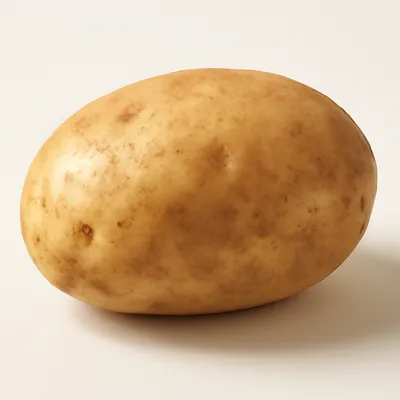
Preheat your oven to 200°C (390°F). Lightly crush the potatoes with your hands to create 'batatas a murro.' Drizzle them with olive oil and season with salt.
Watch outCrush the potatoes just enough to crack them open, not to flatten them to mush — the cracked, ragged surface is what crisps and drinks up the oil.
- 35 min
Place the cooked octopus on a baking dish. Generously douse it with olive oil and scatter sliced garlic over the top. Add the potatoes around the octopus.
- 415 min
Roast in the preheated oven until the garlic is golden and the octopus edges are slightly crisp, about 15 minutes. Add the grelos and olives in the last 5 minutes of roasting.
Watch outPull it when the octopus edges are just crisping and the garlic is golden — let the garlic go dark and it turns bitter over everything.
Archive tool suggestions — not reviewed
These legacy suggestions have not been evidence-reviewed and are not presented as required tools.