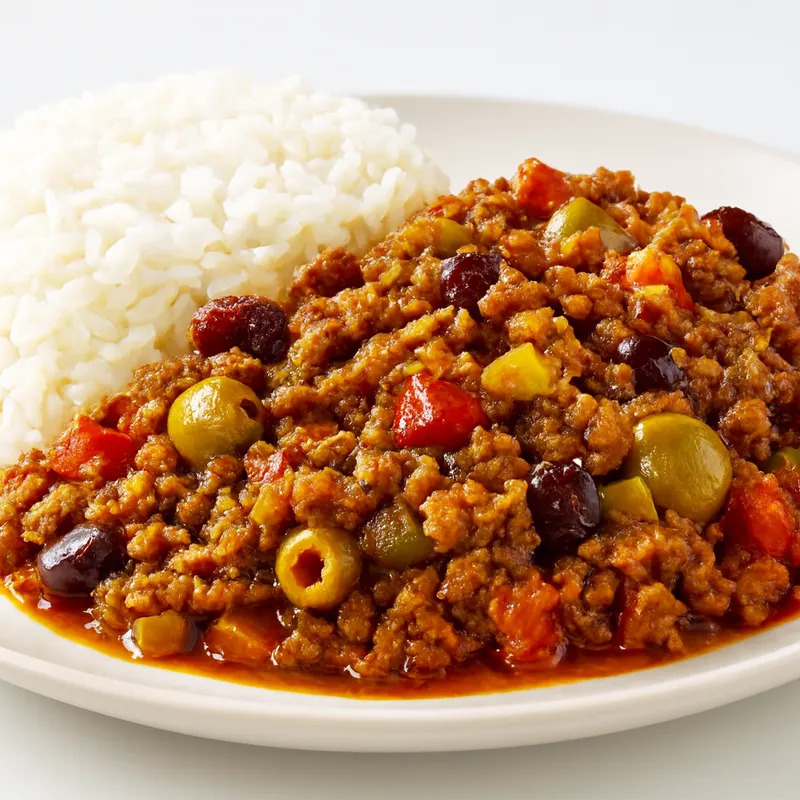
A spicy ground beef dish with olives and raisins.

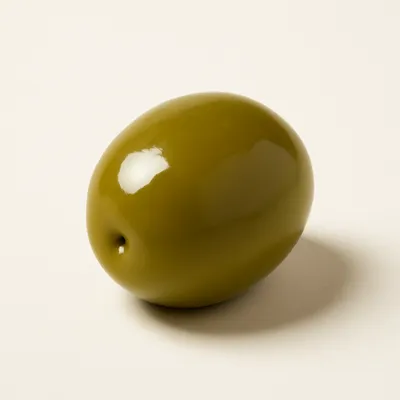
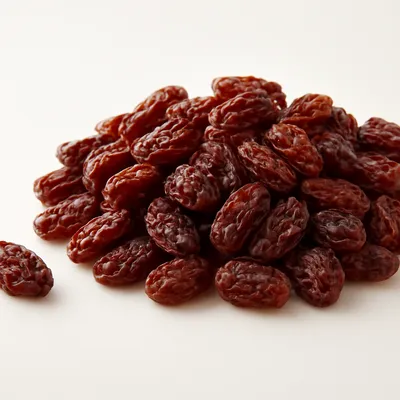
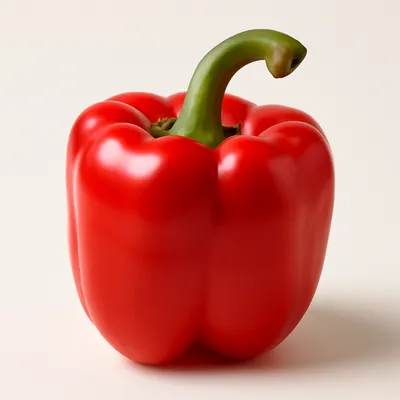

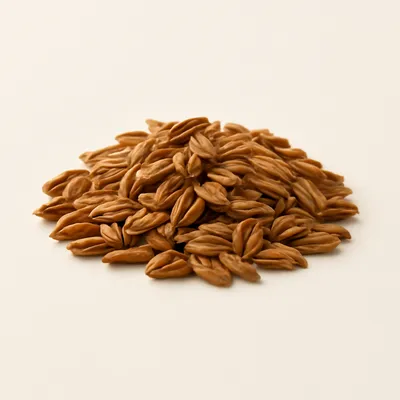
The salt-sweet-savory mix descends from medieval Moorish-Andalusian cooking — meat cooked together with pine nuts, raisins, cinnamon and honey appears in the cuisine of al-Andalus, and the anonymous 13th-century Andalusian cookbook records several such sweet-savory meat dishes. Spanish colonists carried it to the Americas in the 1500s; Cuba adapted it with New World ingredients (tomato, bell pepper, capers from the olive trade), and Nitza Villapol's influential 1954 cookbook Cocina Criolla helped codify the now-classic Havana-style version of ground beef with tomato, olives, raisins and potato. Mexico developed its own picadillo separately, drier and made with potato, carrot and chili but no raisins. The Cuban version with raisins-and-olives is the loudest sweet-savory case.
Moorish-Andalusian salt-sweet logic — pine nuts, raisins, meat together — appears in 13th-century Iberian cookbooks. Cuban version's olive-to-raisin ratio is roughly 2:1 by volume; tip the balance and it goes either dessert or flat-salty. Brown the meat to fond before the sofrito or the sauce tastes boiled.
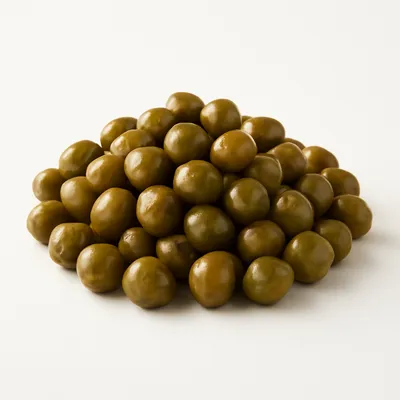
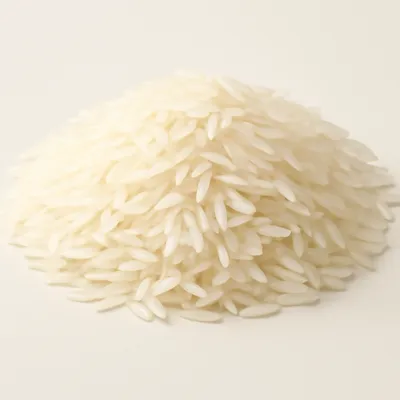
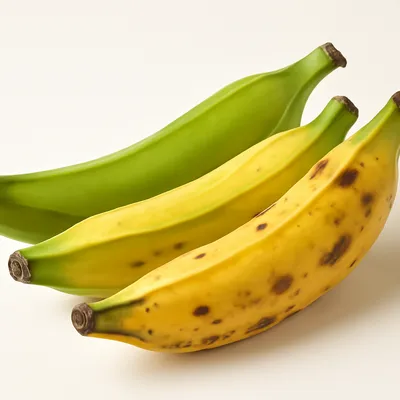
Ground beef simmered in tomato-sofrito, studded with green olives and raisins — the salt-sweet pull is the whole identity. Cumin and bay in the back, sometimes a splash of dry white wine or sherry. Spooned over white rice with a fried egg on top (a caballo, 'on horseback') and a sweet plantain on the side, often with black beans. The raisins should plump up in the sauce, not float on top dry.
Olive-and-raisin balance is calibration, not garnish — the brine in olives and the fructose in raisins cancel each other only at specific ratios (roughly 2:1 olive to raisin by volume). Too many raisins and it becomes dessert; too many olives and the dish goes flat-salty. Browning the meat first to fond, then deglazing with sofrito, is what keeps the sauce from tasting boiled.
Variations
Cuban version (olives, raisins, capers, often potato) is the loudest sweet-savory case and finishes with dry white wine or sherry; Mexican picadillo runs drier with potato, carrot and chili and no raisins; Puerto Rican version builds on a recaíto base of pepper, garlic and onion with culantro; Filipino picadillo descends from the same Spanish root, runs brothier, and adds soy sauce and peas (and gives rise to the local arroz a la cubana).
On the Palate
Where Picadillo sits in the Cuban flavor cloud
Ingredients






How it's made
4 steps · 25 min
- 15 min
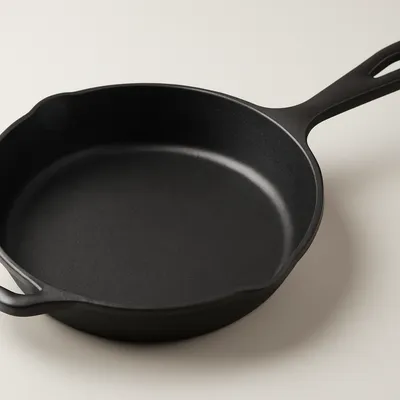
Heat a large skillet over medium-high heat. Add the ground beef, breaking it apart with a wooden spoon, and cook until browned and fragrant, about 5 minutes.
Watch outLet the meat sit and brown untouched until a golden crust sticks to the pan — stirring too soon steams it grey and skips the fond.
- 25 min
Reduce the heat to medium and add chopped onions and bell peppers to the skillet. Stir occasionally until the onions are translucent and the peppers are soft, about 5 minutes.
- 310 min
Stir in the tomato sauce, diced tomatoes, olives, and raisins. Let the mixture simmer gently, releasing a sweet and savory aroma, for about 10 minutes.
Watch outKeep it at a lazy simmer, not a hard boil, so the sauce reduces slowly and the raisins plump and go tender.
- 45 min
Taste and adjust seasoning with salt and pepper. Allow the flavors to meld together as the sauce thickens slightly, stirring occasionally, for another 5 minutes.
Watch outIt's ready when the sauce has thickened enough to coat the meat and no longer pools thin and watery in the pan.
Archive tool suggestions — not reviewed
These legacy suggestions have not been evidence-reviewed and are not presented as required tools.