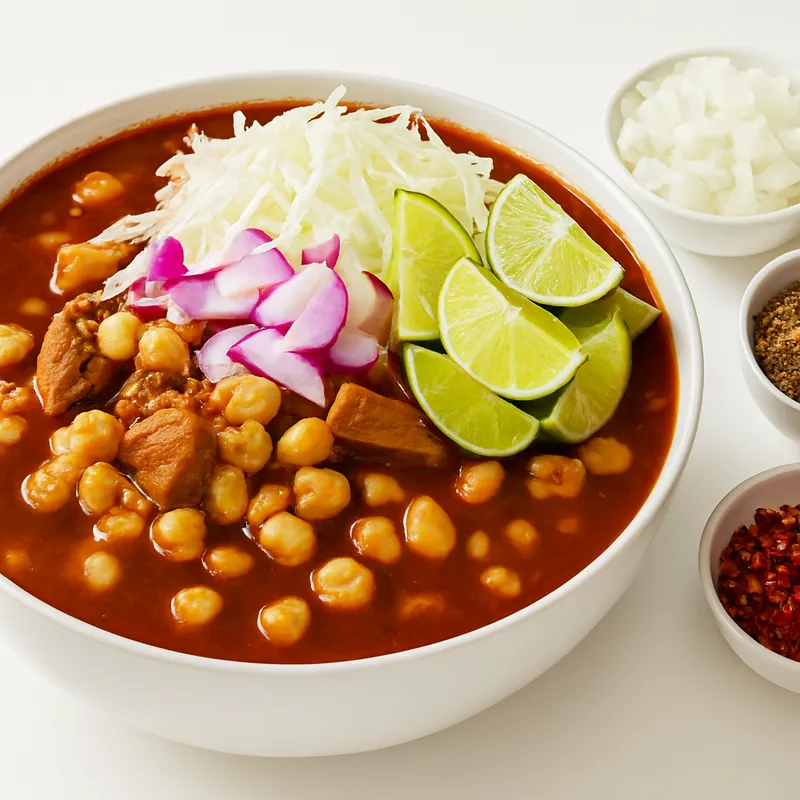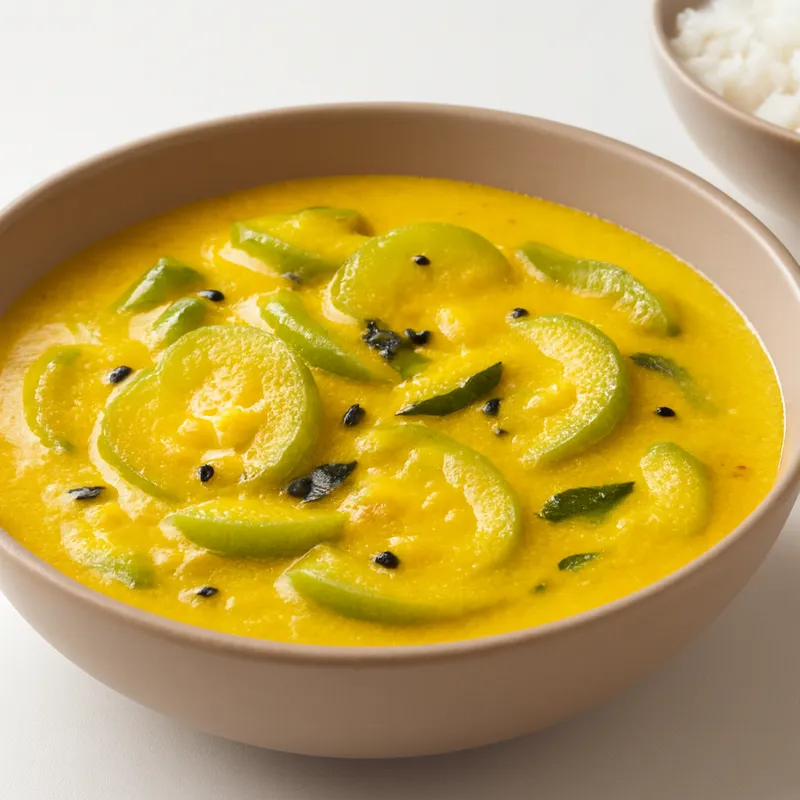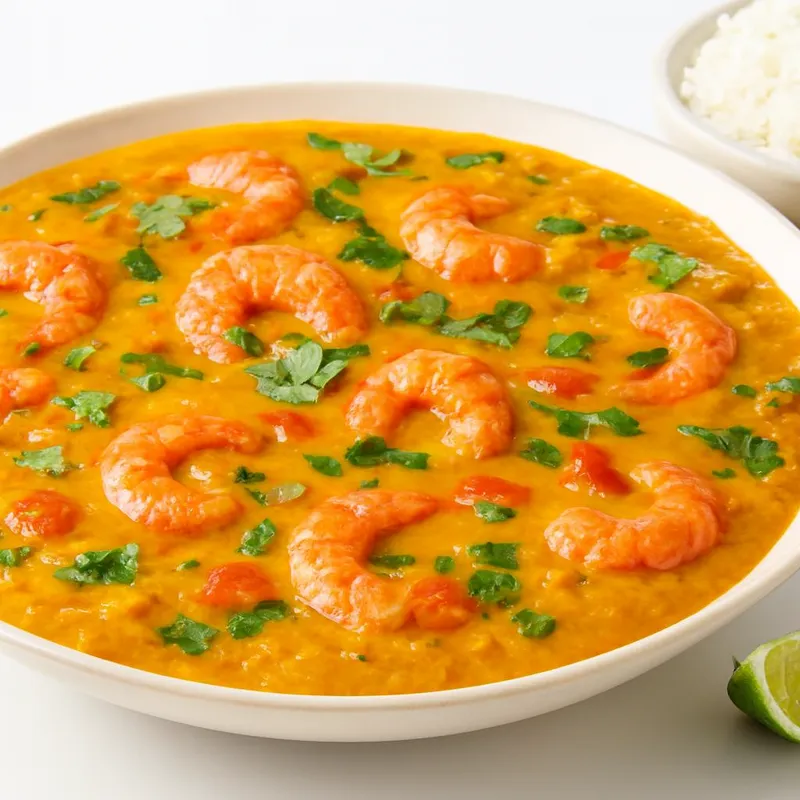




Two versions, two states, both claim the original. Capixaba moqueca (Espírito Santo) is the older form — a fisherman's stew dating to 16th-century indigenous-Tupiniquim cooking, adopted by Portuguese settlers without much modification. Bahian moqueca (Salvador) is the African-influenced version: 17th-century Yoruba cooks added dendê and coconut milk, transforming it. Brazilians from Espírito Santo and Bahia argue about which is "real" with the same heat as Italians arguing pizza.
Two states, one fight. Capixaba (Espírito Santo) is the older 16th-century Tupiniquim form with urucum, no palm oil. Bahian moqueca runs orange-red on dendê — Yoruba cooks added it in 17th-century Salvador, and the clay panela de barro keeps the coconut milk from breaking.
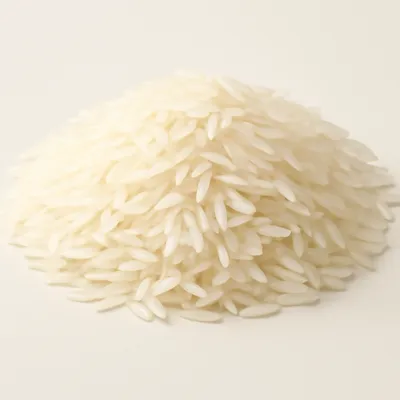
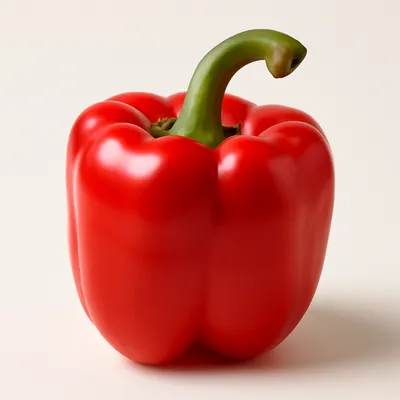
A clay pot (the handmade red clay panela de barro from Goiabeiras in Vitória, Espírito Santo, or a black-iron pot in Bahia) of fish or shrimp simmered in coconut milk, palm oil, tomato, onion, peppers, cilantro. Bahian moqueca is orange-red from dendê palm oil; Capixaba moqueca is amber from urucum (annatto), no dendê. With white rice, pirão, farofa.
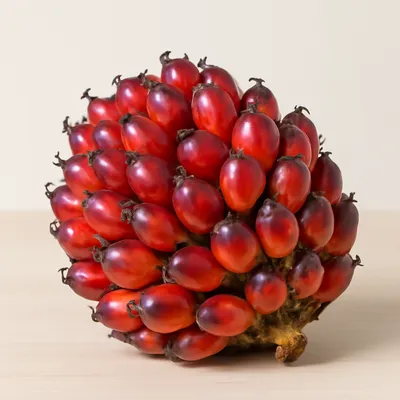
Dendê (red palm oil) is the Bahian-version load-bearing ingredient. It's pressed from the African oil palm (brought via the slave trade) and has a distinctive savory-vegetal taste, plus deep orange-red carotenoids that color everything. Substitute olive oil and you get a different dish — pleasant but not moqueca. The clay pot also matters: it heats slowly and holds steady, so the coconut milk doesn't break (curdle), which is why metal pots from non-traditional cooks often fail.
Variations
Capixaba (urucum, no dendê, handmade clay panela de barro, typically freshwater fish); Bahian (dendê + coconut milk, black iron); moqueca de banana-da-terra (vegetarian plantain version on the Bahian coast).
On the Palate
Where Moqueca sits in the Brazilian flavor cloud
Ingredients


How it's made
5 steps · 27 min
- 15 min
In a large ceramic pot, heat a tablespoon of oil over medium heat. Add chopped onions and garlic, stirring until the onions are translucent and the garlic is fragrant.
Watch outCook the onion and garlic until the onion turns translucent and smells sweet — this soffritto base carries the whole stew.
- 210 min
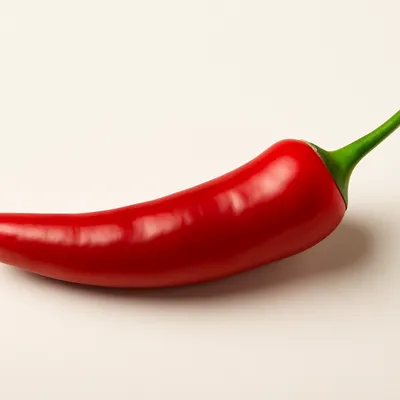
Add the chopped tomatoes and chili peppers to the pot. Stir occasionally and let the mixture simmer until the tomatoes break down into a rich, thick sauce.
Watch outLet the tomatoes fully collapse into a thick sauce before liquids go in, or the base tastes raw and watery.
- 35 min
Pour in the coconut milk, stirring gently to combine. Allow the mixture to come to a gentle simmer, filling the kitchen with a sweet, tropical aroma.
Watch outOnly a few lazy bubbles should break the surface once the coconut milk is in — anything more and it risks breaking.
- 45 min
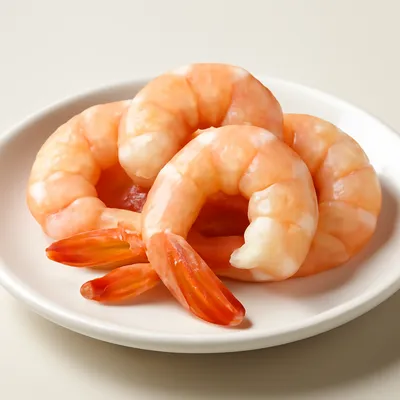
Add the shrimp to the pot, ensuring they are submerged in the sauce. Cook until the shrimp turn pink and opaque, about 5 minutes.
Watch outPull the shrimp the instant they curl and go pink-opaque; a minute past that and they toughen.
- 52 min
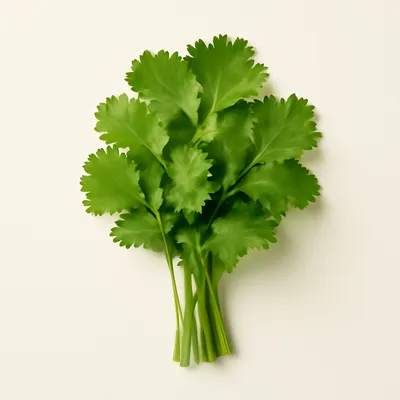
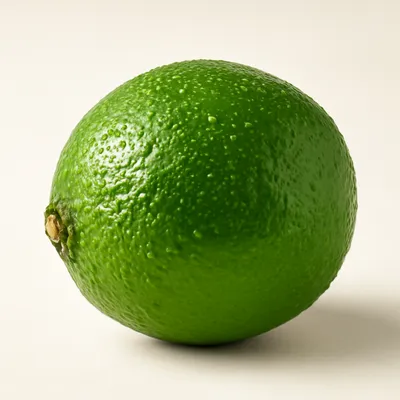
Finish with a squeeze of fresh lime juice and a generous handful of chopped cilantro. Stir gently and serve immediately.
Archive tool suggestions — not reviewed
These legacy suggestions have not been evidence-reviewed and are not presented as required tools.