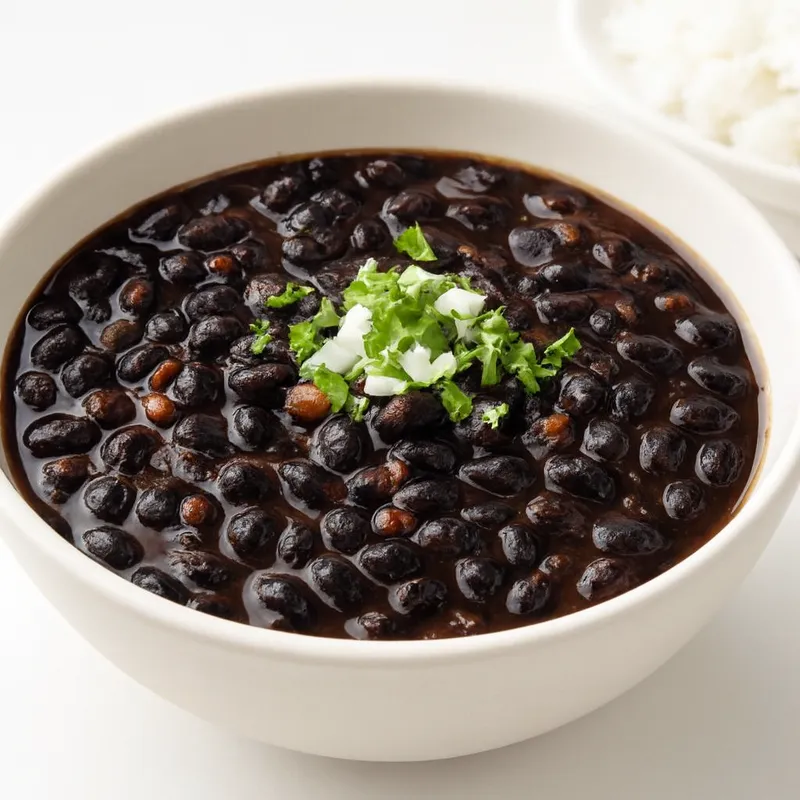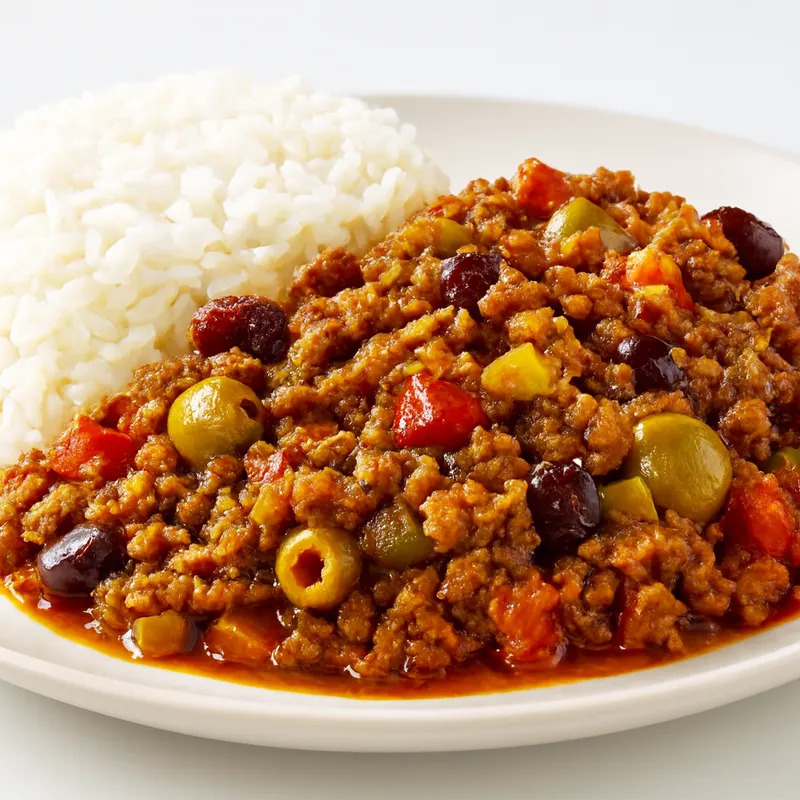



The name ("Moors and Christians") is a Spanish jest: from the 8th century, Muslim Moors ruled the Iberian Peninsula for centuries until the Christian kingdoms drove them out by the 15th — the long campaign Spaniards call the Reconquista. Cubans read the pot the same way: the black beans are the Moors, the white rice the Christians. The name is generally said to have taken hold in 19th-century Havana for the western, black-bean version. The one-pot rice-and-beans technique is often credited to African-Cuban cooks, but its exact origin is unsettled — the Cuban scholar Fernando Ortiz called the African ancestry of such dishes possible but unproven, so it shouldn't be stated as fact. What is clear is that black beans reached the Caribbean through Spanish colonization, and the practice of cooking rice and beans together in the bean broth was crystallized on the Cuban stove.
Spanish jest, African technique. The name is 16th–17th century Iberian — black beans for Moors, white rice for Christians — but cooking rice in bean broth in one pot is West African. The starch in that broth coats each grain into a slightly waxy body and dyes it through; cook them apart and you've just got beans-on-rice.
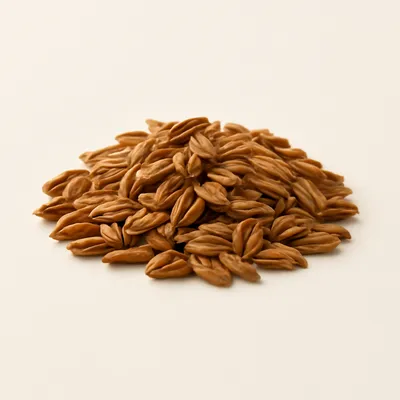
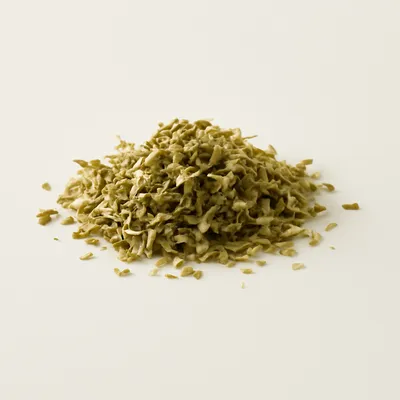
Black beans and white rice cooked together in one pot with the bean broth — rice ends up gray-brown, fragrant with bay, oregano, cumin, and a sofrito of onion, garlic, green pepper. The grains stay separate but stained. Different from "black beans and rice" served side by side: this is one dish, one cooking, one flavor. Served plain or under a piece of stewed pork.
Cooking the rice in the bean broth (rather than water) is what makes this not just "beans on rice." The starch from the beans coats each grain, giving the rice a slightly waxy, fragrant body, and the dark broth dyes it through. Cooking the beans separately first to a near-tender stage matters — adding raw beans to the pot would either undercook them or overcook the rice.
Variations
Cuban moros y cristianos (Havana / western Cuba, black beans) has an eastern cousin it's often confused with: congrí, typical of Santiago and Guantánamo in Oriente, made with red beans and likewise cooked in the bean liquor — its name is generally traced to Haitian Creole (congó, bean) plus French riz (rice), arriving with late-18th/early-19th-century Haitian and French immigration. The two are close in method and the names are frequently used interchangeably; the real difference is the bean and the region. Cook only the strained black-bean broth into the rice, with no whole beans, and it becomes arroz moro. Puerto Rican arroz con habichuelas, by contrast, serves rice and beans side by side rather than cooked as one.
On the Palate
Where Moros y Cristianos sits in the Cuban flavor cloud
Ingredients





How it's made
5 steps · 1 hour 20 min
- 145 min
Rinse the black beans under cold water until the water runs clear, feeling the smooth surface of the beans. Place them in a pot and cover with water, bringing to a simmer over medium heat until tender.
Watch outSimmer the beans until you can crush one against the pot side but the skins are still intact — near-tender, not falling apart.
- 25 min
In a separate pan, heat oil over medium heat. Add chopped onion and garlic, stirring until the onion becomes translucent and the garlic releases its aroma.
Watch outDo not let the garlic burn, as it will turn bitter and affect the flavor of the dish.
- 35 min
Add the chopped capsicum to the pan, cooking until it softens and integrates with the onion and garlic mixture. The vegetables should be fragrant and slightly caramelized.
Watch outLet the peppers and onion cook down until soft and lightly caramelized at the edges — that sweet base carries the whole pot.
- 45 min
Combine the cooked beans and the vegetable mixture in a large pot. Stir in the rice, ensuring each grain is coated with the aromatic mixture.
- 520 min
Pour in enough water to cover the rice by about an inch. Bring to a boil, then reduce to a simmer, covering the pot. Cook until the rice is tender and the liquid absorbed, about 20 minutes.
Watch outWhen steam holes appear on the surface and the liquid is gone, kill the heat and let it rest covered so the grains firm up.
Archive tool suggestions — not reviewed
These legacy suggestions have not been evidence-reviewed and are not presented as required tools.