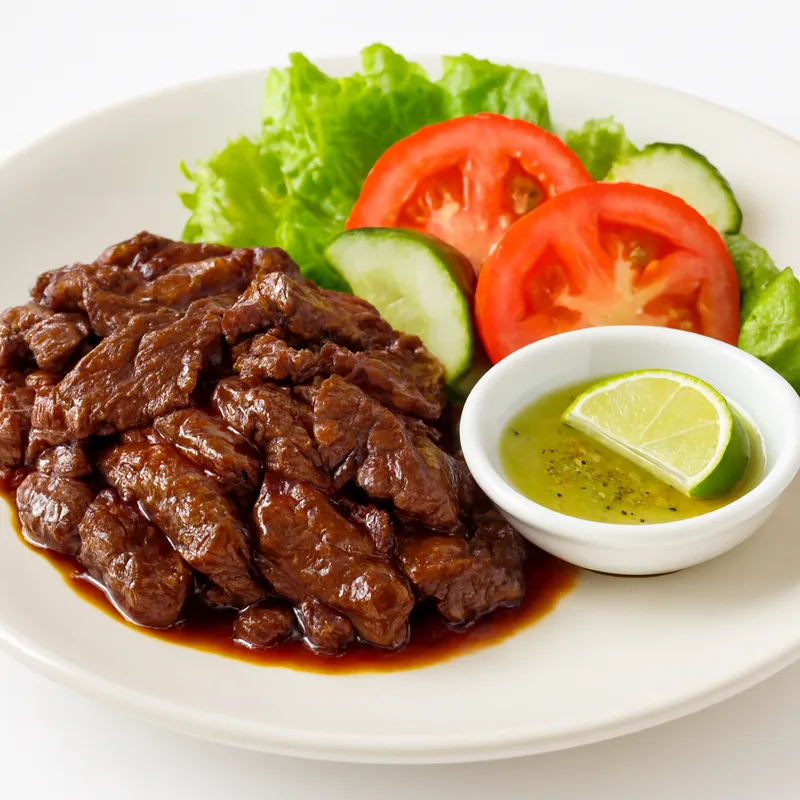



A Cuban dish that shares its ancestry with ropa vieja, both often traced to the Canary Islander influence on Cuban cooking and both built on the same idea: turning a tough, cheap cut — flank or skirt — into something tender. Cubans habitually boil beef with aromatics to make stock or ropa vieja, and vaca frita is one more thing to do with that already-boiled meat: drain it, marinate it, and crisp it. It is often told as a story of thrift — what to do with yesterday's boiled beef rather than waste it — a framing that fits Cuban home cooking, though a firm date is hard to pin down. Mexican machaca and Filipino tapa follow the same logic — all low-tech ways to give second-day shredded or dried beef a textural reset.
19th-century Cuban thrift — what to do with leftover boiled beef from caldo or ropa vieja. The crisp comes from gelatin, not fat: braised strands carry surface collagen that caramelizes against a dry pan into a brittle shell. Pat the rags dry first or they steam instead of crusting.
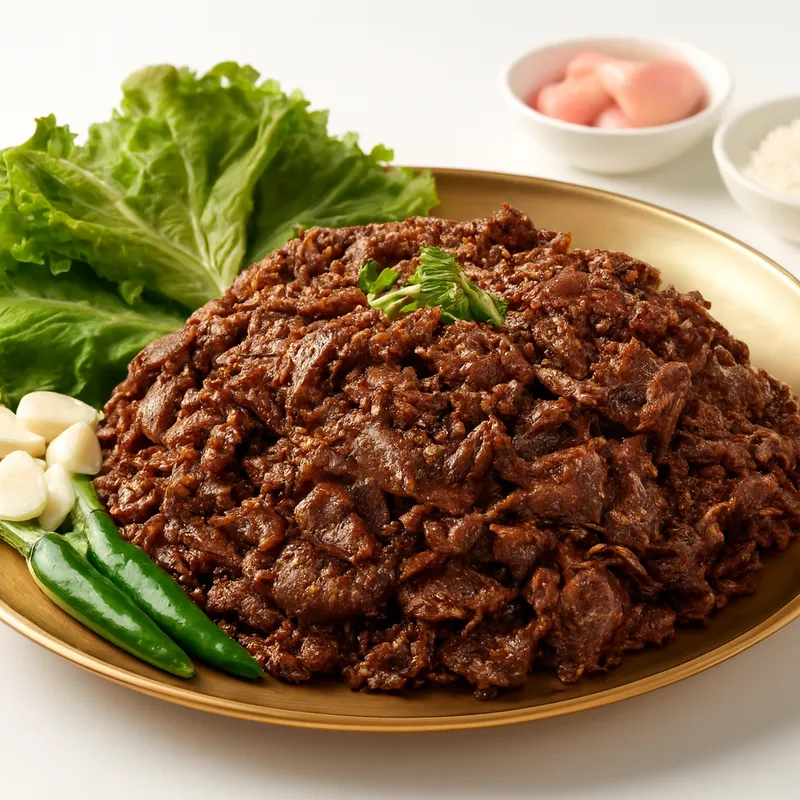
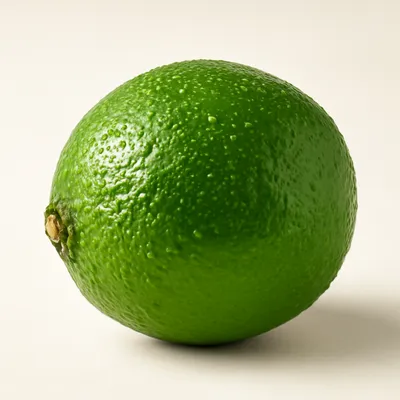
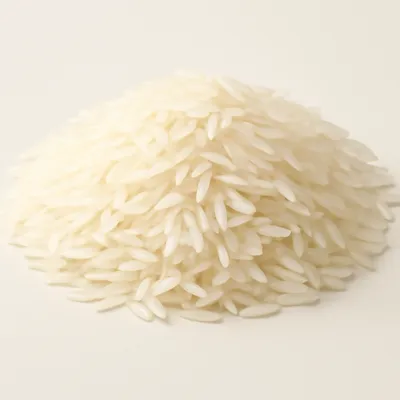
Beef braised tender, shredded, then pan-fried hard in a thin film of oil until the strands crackle and char in places. Finished with raw garlic mashed in lime juice (a quick mojo) thrown into the hot pan — it sizzles and seizes the crust. Eaten with white rice, black beans, plantains. "Fried cow" — and that's exactly the move: braise, then fry the rags.
The crisp comes mainly from the double cook. After braising, the beef strands have already lost most of their moisture, so when they hit a dry, hot pan and the rest steams off, the surface browns fast and sets into a brittle shell. Surface gelatin from the braise (melted collagen) caramelizes and adds to that crust as well. Drying the strands on paper before they hit the pan is critical — wet strands steam instead of crust. The lime-garlic finish at the end deglazes the fond back into the meat.
Variations
Vaca frita de pollo subs in chicken thigh shred; Mexican machaca is the same logic with sun-dried beef; Filipino tapa is the marinated-then-fried cousin; Versailles Restaurant (Miami, Calle Ocho) is the canonical exile-kitchen reference.
On the Palate
Where Vaca Frita sits in the Cuban flavor cloud
The crisp comes from the double cook: braise the beef first, then dry the shredded strands well before they hit a screaming-hot dry pan, so the surface browns into a brittle crust instead of steaming grey.
Ingredients
How it's made
4 steps · 22 min active + 30 min waiting
- 15 min
Begin by marinating the beef slices in lime juice and minced garlic for at least 30 minutes to infuse flavor deeply.
Watch outLet the lime and garlic soak in for at least 30 minutes — you want the acid worked into the already-cooked strands, not just a surface splash.
- 210 min
Heat oil in a large skillet over high heat until shimmering. Add the beef slices and press them into the pan, cooking until deeply browned and crispy, about 5 minutes per side.
Watch outThe oil should shimmer and just start to smoke before the beef goes in — a properly screaming pan is what sets the crust fast.
- 35 min
Remove the beef and let it rest. In the same skillet, add sliced onions and sauté until they are golden and aromatic, about 5 minutes.
Watch outSauté the onions only until golden and sweet-smelling, still with a bit of bite — burnt onions turn the whole pan bitter.
- 42 min
Return the beef to the skillet, breaking it apart slightly. Toss with the onions and a fresh squeeze of lime, cooking for an additional 2 minutes to combine flavors.
Watch outAvoid overcooking the beef again to maintain its tenderness.
Archive tool suggestions — not reviewed
These legacy suggestions have not been evidence-reviewed and are not presented as required tools.