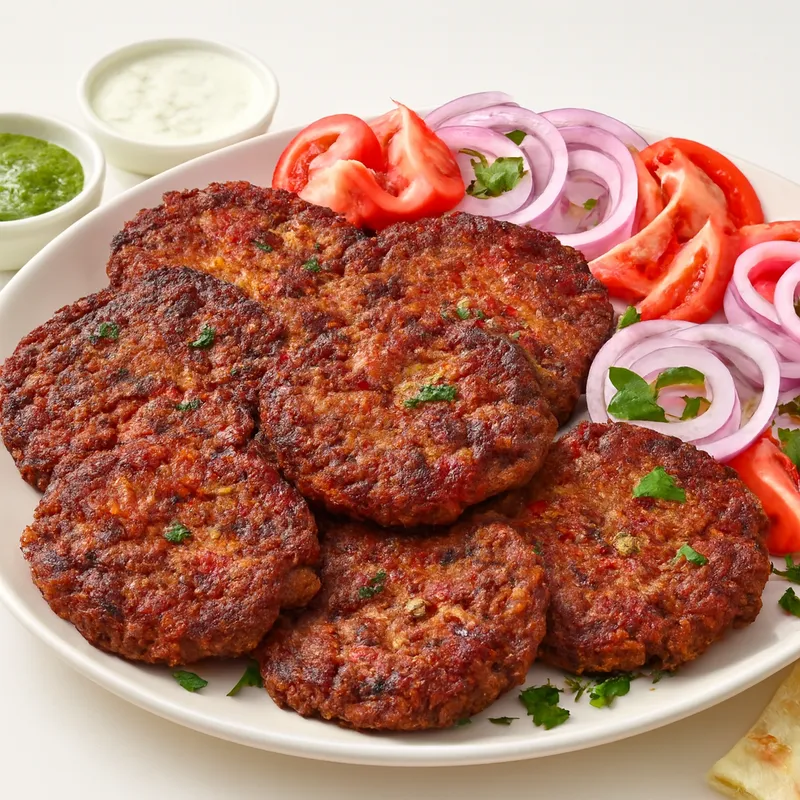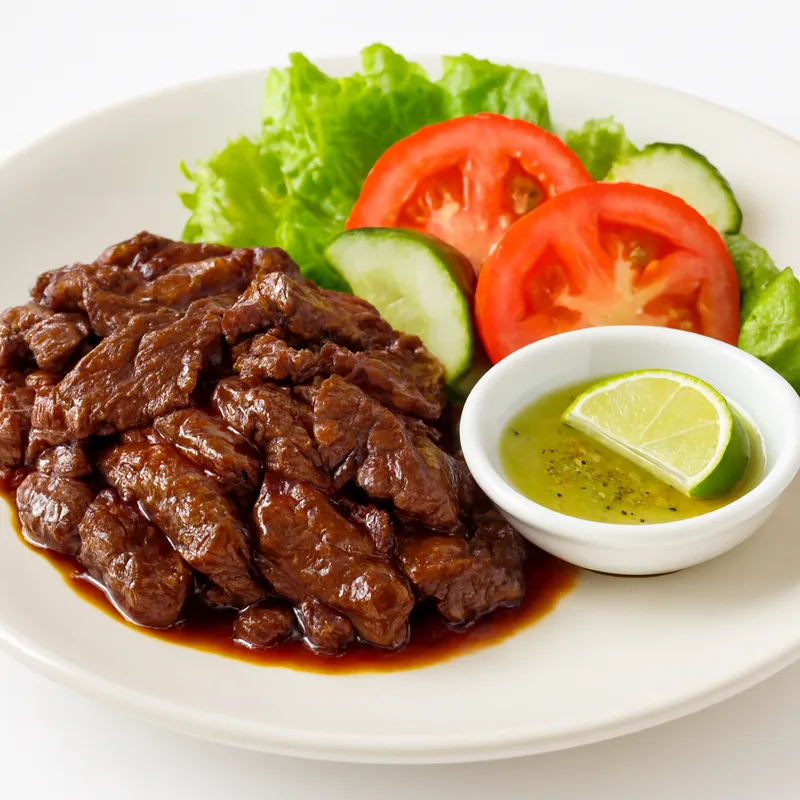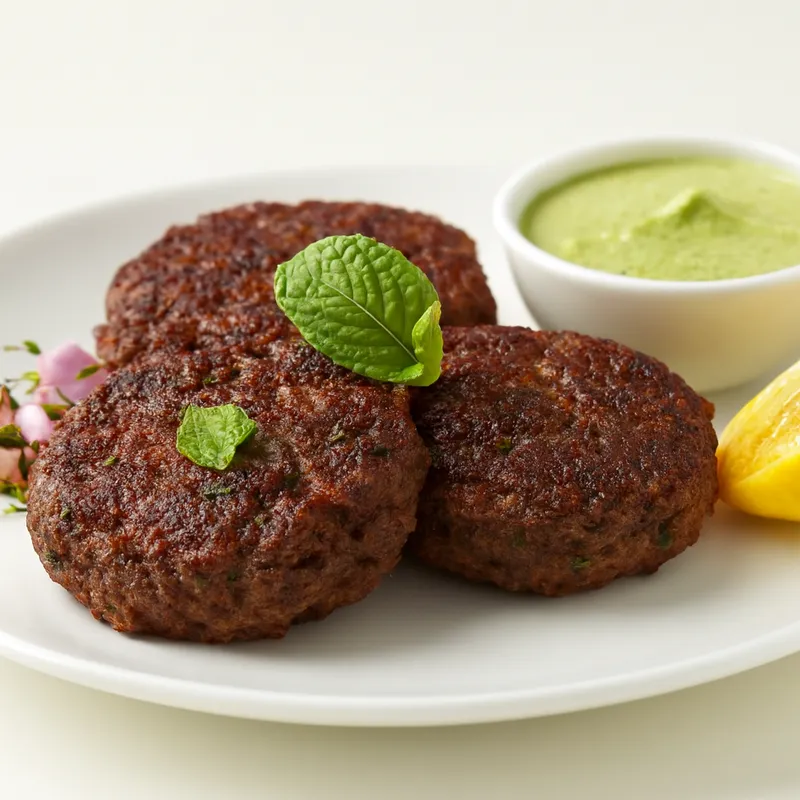
Galouti Kebab is finely minced lamb that melts in the mouth, perfumed with rose and kewra water.
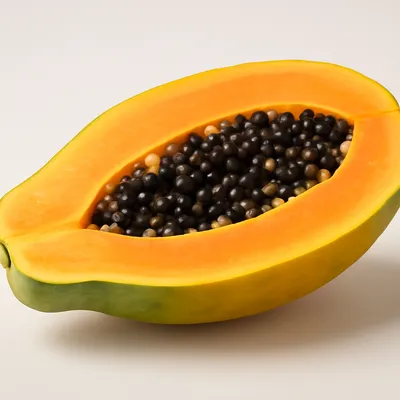
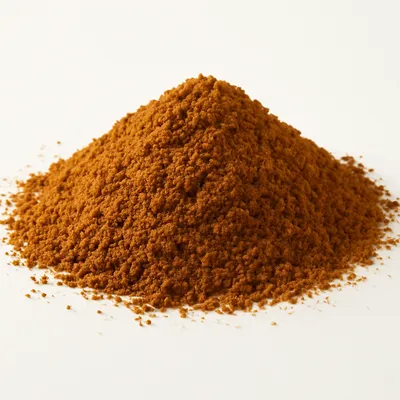

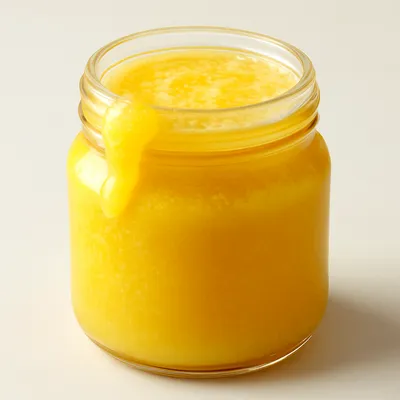
Created in 18th-century Lucknow for Nawab Asaf-ud-Daula, who was said to have lost his teeth but still wanted kebab. The royal kitchen developed a kebab a toothless old man could eat — finely minced lamb mashed with raw papaya (an enzymatic tenderizer), bound with ghee and a 100+ spice mix called Galouti masala. The word galouti means "melt-in-mouth" in Awadhi.
Lucknow's Nawab Asaf-ud-Daula commissioned it in the 1780s for his toothless years — galouti means melt-in-mouth. 100-plus spices folded into raw-papaya-tenderized lamb; one minute on the tava.
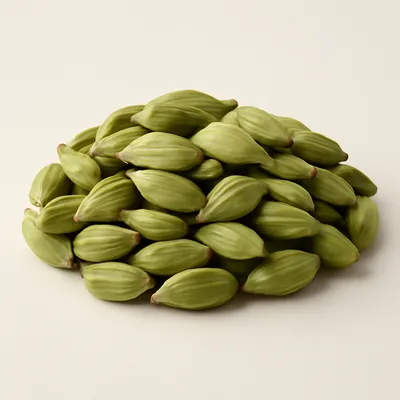
A small, pale-pink patty pan-seared in ghee, set on a thin sheet of ulta tawa paratha. It collapses on the tongue with no chewing — the texture closer to pâté than ground meat. Rose water, kewra, mace, and green cardamom sit on the breath after swallowing. One bite of kebab to one bite of bread; the pairing is structural.
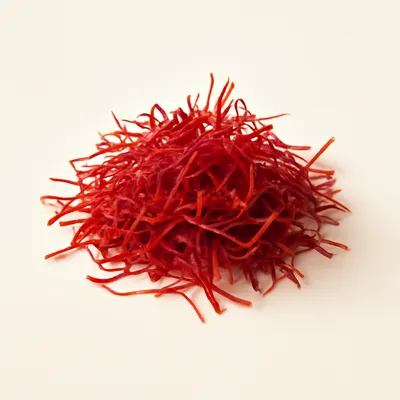
Raw papaya is the load-bearing trick: papain enzyme breaks down meat protein the way pineapple does, giving the no-chew texture without long cooking. Too much papaya and the meat turns to paste with no structure; too little and you taste minced lamb, not galouti. The 100+ spice masala is regional pride — every old Lucknow family claims a different recipe — but mace, kewra, rose, and saffron are the signature top notes.
Variations
Tunday kababi (the Akbari Gate Lucknow institution) keeps the spice list secret; kakori kebab is the skewered cousin (longer, on charcoal); shami kebab adds chana dal and is pan-fried; pasanda is the marinated whole-cut version.
On the Palate
Where Galouti Kebab sits in the Indian flavor cloud
Get the raw papaya dose exactly right — its papain enzyme melts the lamb to the signature no-chew texture, but too much turns the meat to structureless paste and too little leaves it tasting like ordinary minced kebab.
Ingredients

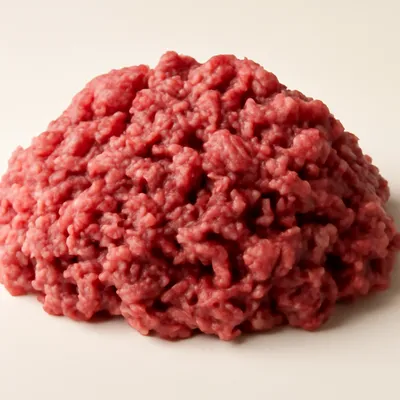





How it's made
5 steps · 28 min
- 110 min
In a large mixing bowl, combine the finely minced lamb with grated ginger, crushed garlic, ground cardamom, and garam masala. Ensure the spices are evenly distributed by mixing thoroughly with your hands, feeling the texture become uniform.
- 25 min
Add grated raw papaya to the meat mixture. This acts as a tenderizer. Mix well until the papaya is fully incorporated into the meat, giving it a slightly sticky texture.
Watch outMix only until the grated papaya just disappears and the meat turns slightly sticky — over-mixing speeds the enzyme too far.
- 38 min
Heat ghee in a heavy-bottomed pan over medium heat until it shimmers. Form the meat mixture into small, flat patties with your hands and gently place them in the pan. Cook each side for about 3-4 minutes until they develop a rich, golden-brown crust.
Watch outGhee is ready when it shimmers but doesn't smoke — too hot and the tender patties scorch before setting.
- 42 min
Once cooked, remove the kebabs from the pan and let them rest on a paper towel to absorb excess ghee. The aroma of the spices should be fragrant and inviting.
Watch outWait for a firm golden crust before the single flip — that skin is what holds the melting patty together.
- 53 min
Serve the kebabs hot, garnished with a sprinkle of saffron and a few drops of rose water for a final aromatic touch.
Archive tool suggestions — not reviewed
These legacy suggestions have not been evidence-reviewed and are not presented as required tools.