Lamb or mutton slow-braised in a sauce built entirely from whisked yogurt, caramelized onions, and whole spices — no water added. As the yogurt simmers, it dissolves into a tangy, deeply concentrated gravy that clings to the falling-off-the-bone meat. One of the foundational preparations of the Mughal imperial kitchen.




Dahi Gosht belongs to the classical canon of Mughlai cuisine, which took shape in the Mughal imperial kitchens (1526–1857) through sustained fusion of Central Asian, Persian, and North Indian culinary traditions. Abu'l-Fazl ibn Mubarak, court historian to Emperor Akbar, catalogued over thirty elite preparations of the royal kitchen in his Ain-i-Akbari (ca. 1590s), explicitly documenting yogurt-based braised meat dishes among the hallmarks of Mughal gastronomy. The Mir Baqawal (Master of the Kitchen) supervised cooks drawn from Persia, Central Asia, Afghanistan, and across India, whose yogurt braising techniques became central to Mughal court cuisine.
The first bite delivers tender, falling-off-the-bone lamb wrapped in a tangy, deeply concentrated sauce. Caramelized onion lends a background sweetness; green cardamom, cloves, and black pepper build a layered warmth that lingers. The finish is a clean, bright sourness from the reduced yogurt.
The dish is built on two sequential Maillard events: onions are caramelized over low heat, generating hundreds of flavor compounds from amino acid and sugar pyrolysis; then lamb is seared at high heat, browning the protein surface. Yogurt is added in stages at low heat — its lactic acid gradually hydrolyzes the meat's collagen, which converts to gelatin at 70–80°C over the long braise, tenderizing the meat and enriching the sauce body. Whey proteins in the yogurt emulsify with rendered fat to produce a silky, cohesive gravy. At the finish, heat is raised to drive off water until fat separates visibly at the pan's edge, concentrating the sauce and deepening its sour-savory character.
Variations
Shahi Dahi Gosht enriches the sauce with cream and cashew paste, producing a richer, more unctuous texture favored at formal feasts. Kewra essence — a floral extract from the screwpine flower — is stirred in at the end in some Delhi preparations, adding a rose-like fragrance. Parsi Dahi nu Gosht substitutes the whole-spice base with green chilies and fresh coriander for a brighter, herbaceous character. Pakistani versions frequently use bone-in goat rather than lamb, adding bone-marrow depth.
On the Palate
Where Dahi Gosht sits in the Indian flavor cloud
Ingredients
Serves 4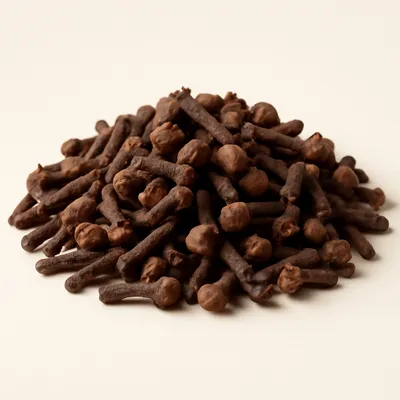

How it's made
7 steps · 2 hours 30 min
- 1120 min
Combine lamb pieces with full-fat yogurt, ginger-garlic paste, red chili powder, turmeric, and salt; mix well and marinate for at least 2 hours, refrigerated.
- 235 min
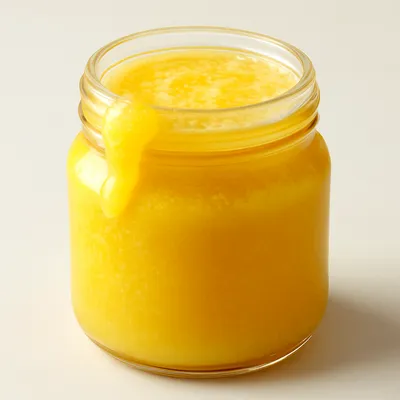
Heat ghee in a heavy pot over medium-low; cook thinly sliced onions, stirring every few minutes, until deep golden-brown throughout, about 35 minutes.
Watch outCook the onions low and slow the full ~35 minutes to a deep even brown — this caramel base is the gravy's backbone; rush the heat and they scorch bitter, not sweet.
- 31 min
Raise heat to medium; add whole spices (green cardamom, cloves, cinnamon stick, bay leaf, black peppercorns) and stir for 30 seconds until fragrant.
- 47 min
Add marinated lamb pieces, reserving the yogurt marinade; sear over high heat, turning, until browned on all sides, about 6–8 minutes.
- 55 min
Reduce heat to low; add the reserved yogurt marinade in three additions, stirring gently between each to prevent curdling.
Watch outAdd the yogurt in three parts on low heat, stirring between each — dump it in hot and all at once and it curdles into grainy flecks.
- 670 min
Cover and braise over the lowest possible heat until meat is very tender and yields to a fork, 60–75 minutes; add a small splash of water only if the pot threatens to scorch.
- 78 min
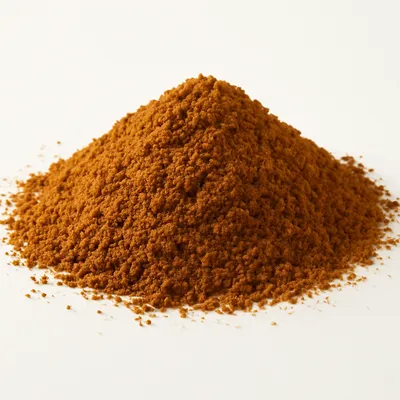
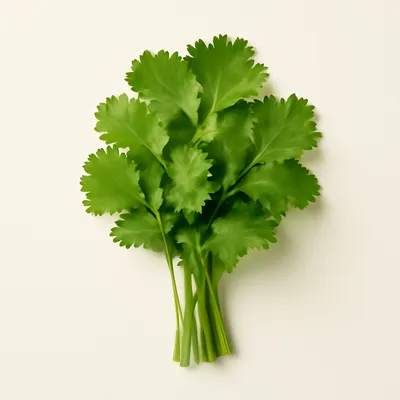
Uncover, raise heat to medium-high, and stir continuously until fat separates visibly at the pan edges and the gravy thickens; finish with garam masala and fresh coriander.
Watch outFinish by stirring over higher heat until fat beads at the pan edges — that oil breaking out means the gravy's reduced and ready.


