A traditional Assamese preparation in which fish is marinated in a pungent mustard-garlic-ginger paste, wrapped in a fresh banana leaf, and steamed or charcoal-grilled until just cooked. The leaf infuses the fish with a gentle, herbaceous fragrance, and the sealed packet keeps the flesh moist. The name means 'fish placed in leaves,' and the technique is applied across Assamese cooking.


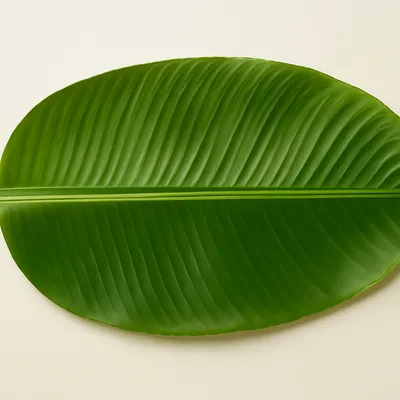
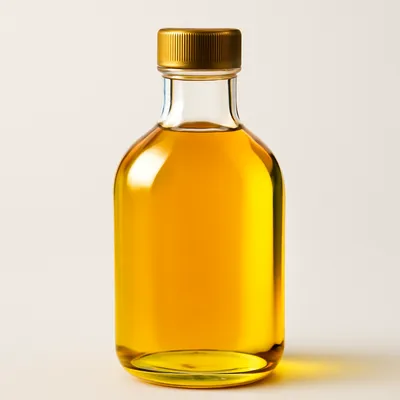


Patot diya maas is a traditional Assamese preparation, named for its technique: patot means 'in leaves,' diya 'to place,' and maas 'fish,' so the dish is 'fish placed in leaves.' The technique — wrapping marinated fish (or meat, or vegetables like taro leaf) in a fresh banana leaf and cooking it by steaming or grilling — is an old Assamese method, shared in principle with leaf-wrapped cooking across South and Southeast Asia, but distinguished in Assam by its pungent, minimalist marinade of mustard paste, mustard oil, garlic, ginger, green chili, and turmeric. The fish is most often small freshwater fish (horu maas) or larger river fish like rohu; the marinated fish is laid on a banana leaf softened over a flame, folded into a neat packet, secured with a string or skewer, and cooked — traditionally over charcoal, which gives a faint smokiness through the leaf, or by steaming. The dish is everyday Assamese home cooking that lets the freshness of the fish and the pungency of the mustard carry.
Soft, moist fish infused with the pungency of mustard and the clean, herbaceous perfume of the banana leaf, with a faint char at the edges.
The banana leaf is the active ingredient, not just a wrapper. Under the heat of steaming or grilling, the leaf's own volatile aromatic compounds — a suite of green, herbaceous, slightly floral volatiles — migrate into the fish, perfuming it; the leaf also creates a sealed, moist micro-environment that steams the fish in its own juices and the marinade's moisture, so the flesh cooks gently and stays moist rather than drying out. The mustard paste, beyond its pungency (from allyl isothiocyanate, released when the seeds are ground and moistened), contributes an antimicrobial effect that — in a hot, pre-refrigeration climate — helped keep the fish safe; the marinade's acid and salt penetrate the fish during the brief rest, seasoning it through. Cooking over charcoal, rather than steaming, adds a faint smokiness as the leaf's edges char, but the leaf protects the fish from direct flame and the harsh drying of radiant heat. The fish proteins set gently at around 60–70°C within the packet, keeping the flesh tender.
Variations
The same technique wraps meat (patot diya mutton) or taro leaf; a poppy-seed or coconut paste enriches the marinade, and the packet is sometimes pan-roasted rather than grilled.
On the Palate
Where Patot Diya Maas sits in the Indian flavor cloud
Ingredients
Serves 4
How it's made
6 steps · 20 min
- 15 min
Make a paste of mustard seed, garlic, ginger, green chili, turmeric, mustard oil, and salt.
- 25 min
Coat the fish pieces generously with the paste and rest 30 minutes.
- 33 min
Soften a fresh banana leaf by holding it briefly over a flame; cut into squares.
Watch outPass the banana leaf briefly over the flame until it softens and turns glossy — a stiff leaf cracks when you fold it and the packet leaks.
- 44 min
Place a marinated fish piece on each leaf square with a little of the marinade, fold into a packet, and tie or skewer shut.
- 512 min
Grill the packets over charcoal (or steam them) until the fish is just cooked through, about 10–15 minutes.
Watch outGrill (or steam) the packets just until the fish is set through, ten to fifteen minutes — the leaf steams it in its own juices, so don't overdo it or it dries.
- 62 min
Open at the table to release the fragrance, and serve hot with rice.
Archive tool suggestions — not reviewed
These legacy suggestions have not been evidence-reviewed and are not presented as required tools.


