
A soft, creamy savoury porridge of rice and split moong dal, cooked together until the grains collapse, then finished with a generous tempering of ghee, whole black pepper, cumin, cashews, curry leaf, and ginger. Also called khara pongal, it is the savoury counterpart to the sweet sakkarai pongal and a classic South Indian temple and home breakfast. It is comforting and mildly peppery, eaten hot with coconut chutney and sambar, and traditionally with a tart gothsu on the side.


Ven pongal is the savoury form of pongal, the dish that shares its name with the Tamil harvest festival and whose root means 'to boil over.' While the sweet sakkarai pongal made with jaggery is the festival offering to the sun god, ven pongal — 'ven' meaning white or plain — is the everyday and temple version, long served as prasadam in South Indian temples such as those of Tamil Nadu. The pairing of rice with moong dal and a ghee-and-pepper tempering is old and pan-southern; the dish is documented across Tamil Nadu and Karnataka (where a similar khara pongal appears) rather than credited to one origin.
A loose, ivory porridge, soft enough to slump off the spoon, the rice and dal melted into one creamy mass. Whole peppercorns crack between the teeth in sharp little bursts, cumin warms underneath, and ghee pools golden on top with toasted cashews and crisp curry leaves. Ginger and a whisper of asafoetida give a savoury depth that keeps it from being bland. It must be eaten hot; as it cools it stiffens into a solid, dull paste and loses its silk.
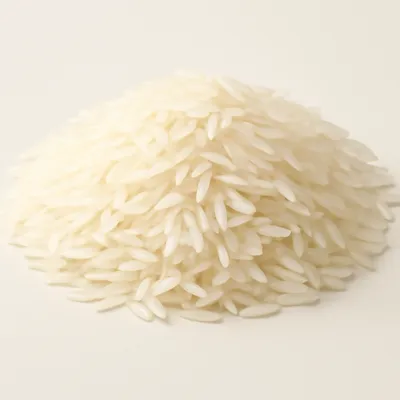
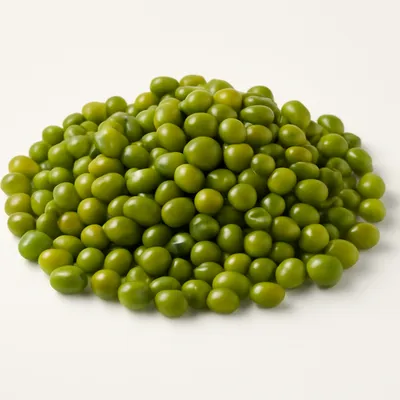
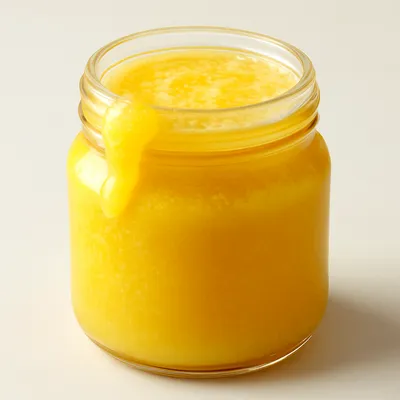
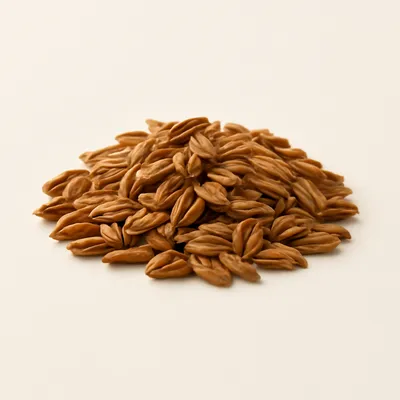
The moong dal is dry-roasted in ghee before cooking, which kills its raw grassy note and deepens the aroma; skipping that step leaves a flat, beany taste under the rice. Rice and dal are then boiled soft together, usually pressure-cooked, with extra water so the starch swells into a creamy slump rather than separate grains. The pepper goes in whole and is bloomed in the ghee tempering, not pre-ground — frying releases its fragrance and a clean heat, while powder would turn dusty and harsh. Ghee is not optional: it carries the spices and keeps the cooling porridge from setting hard too fast.
Variations
Sweet sakkarai pongal swaps the pepper tempering for jaggery, milk, cardamom, and cashews, and is the festival version; Karnataka's khara pongal is the same savoury idea under a Kannada name. Some cooks add more ghee and pepper for a richer 'ghee pongal'; restaurant versions are often looser and milder, while temple prasadam tends to be plainer and heavier on pepper and cumin.
On the Palate
Where Ven Pongal sits in the Indian flavor cloud
Ingredients
Serves 4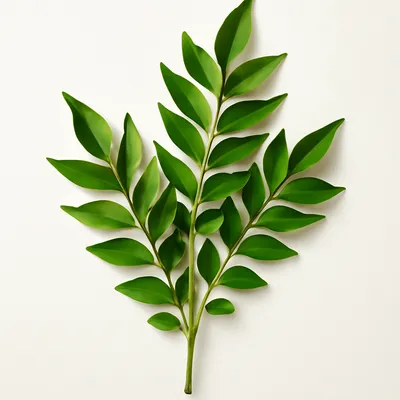
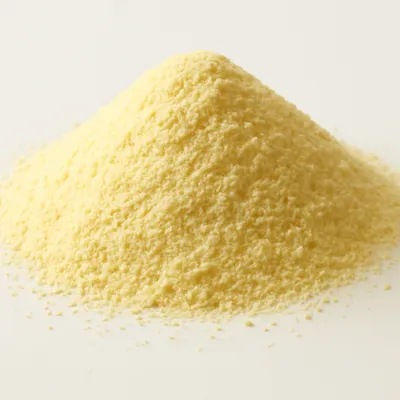
How it's made
5 steps · 30 min active + 5 min waiting
- 16 min
Dry-roast the split moong dal in a little ghee until fragrant and lightly golden, then rinse it with the rice.
Watch outDry-roast the moong dal in ghee until fragrant and lightly golden before cooking — skip it and a flat, beany raw taste lingers under the rice.
- 218 min
Pressure-cook or boil the rice and dal together with plenty of water and salt until very soft and mushy.
- 35 min
In ghee, temper whole black pepper, cumin seeds, chopped ginger, curry leaves, cashews, and a pinch of asafoetida until the cashews turn golden.
Watch outBloom the whole peppercorns in the ghee tempering — frying releases their fragrance and a clean heat; use pre-ground pepper and it turns dusty and harsh.
- 43 min
Pour the tempering into the cooked rice and dal and stir through, loosening with hot water to a soft, creamy consistency.
- 52 min
Serve hot with coconut chutney and sambar, finishing with an extra spoon of ghee on top.
Archive tool suggestions — not reviewed
These legacy suggestions have not been evidence-reviewed and are not presented as required tools.


