
A rib-sticking one-pot of cracked pearl millet (bajra) and split moong dal, slow-cooked to a thick, porridge-like khichdi — winter comfort food across rural Rajasthan and the wider Thar belt. The millet is pounded coarse, soaked, and simmered with the lentil until both collapse into a heavy, savory mash. It is eaten very hot, drowned in ghee, and traditionally paired with buttermilk, jaggery or Rajasthani kadhi.
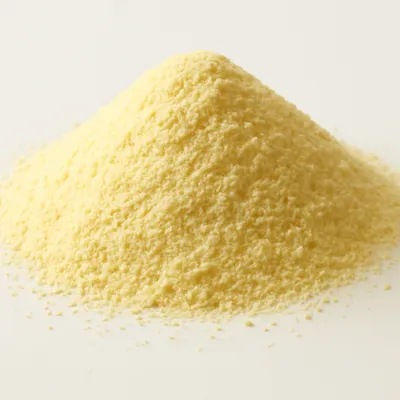

Bajra khichdi is the cold-weather staple of Rajasthan, Haryana and Gujarat's dry districts, where pearl millet is the grain that grows when little else will. Like all khichdi, it is among the oldest and most utilitarian forms of Indian cooking — grain and pulse boiled together into a single complete meal — and the desert version simply swaps drought-hardy bajra for rice. It is eaten chiefly through winter because bajra is reckoned 'garam' (heat-generating) in Ayurvedic tradition, food to warm the body in the cold months; farmers traditionally ate it with lassi or jaggery before a day's work in the fields.
Thick and heavy, somewhere between a porridge and a soft mash, grey-gold from the millet. The bajra keeps a faint coarse grain and its characteristic earthy, nutty taste, while the moong dal melts in to lend body and a mild sweetness. On its own it is plain, almost stark; the ritual is to break a well in the center, fill it with melting ghee, and eat it scalding hot with a sip of cool buttermilk or a pinch of jaggery for contrast. Filling, warming, deeply homely.
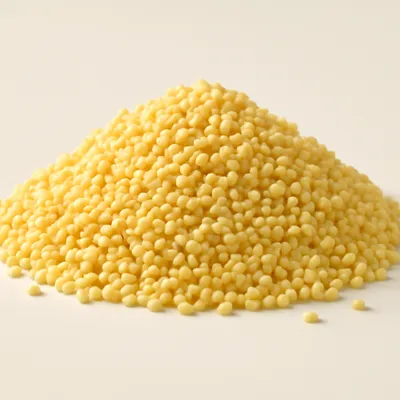
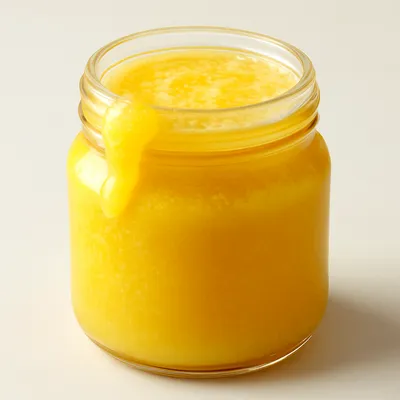
Pearl millet has a tough hull and dense grain, so it is first pounded coarse (traditionally crushed in a stone mortar with a little water) to break the bran and speed cooking, then soaked to soften — skip this and the khichdi stays gritty and undercooked. Long, gentle simmering bursts the starch and lets the moong dal break down, the two thickening together into a cohesive mash; a pressure cooker does the same far faster. Generous ghee at the finish is not optional flavor but how a dry, heavy grain is made palatable and easier to digest, carrying its fat-soluble aromatics.
Variations
A plain khichdi is just bajra, moong dal and salt; richer households add a tempering of cumin, asafoetida and garlic, or toss in vegetables and ghee for a fuller bajra-vegetable version. Some cooks use chana dal in place of, or alongside, moong. It is most traditionally served with a glass of buttermilk, with jaggery and ghee, or with Rajasthani kadhi spooned over the top.
On the Palate
Where Bajra Khichdi sits in the Indian flavor cloud
Ingredients
Serves 4
How it's made
6 steps · 20 min
- 135 min
Pound the pearl millet coarse with a splash of water to crack the bran, then rinse and soak for at least 30 minutes.
Watch outPound the millet coarse to crack the tough bran, then soak it — skip this and the khichdi stays gritty and undercooked no matter how long it simmers.
- 25 min
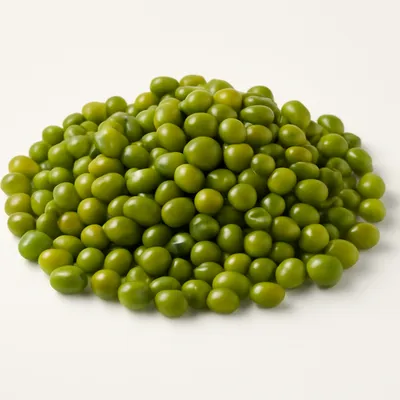
Rinse the moong dal and drain; warm ghee in a heavy pot or pressure cooker.
- 33 min
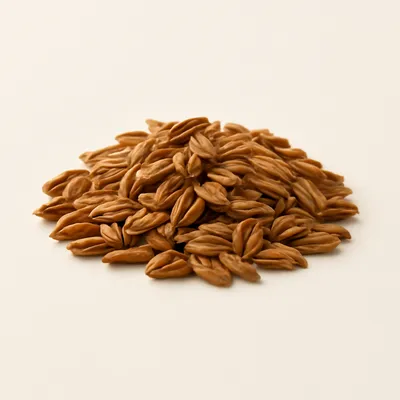
Temper cumin and a pinch of asafoetida in the ghee until fragrant.
- 43 min
Add the drained millet and dal with salt and plenty of water, and stir.
- 545 min
Simmer gently (or pressure-cook) until both grain and lentil are very soft and the mixture is thick and porridge-like, stirring so it does not catch.
Watch outSimmer gently, stirring so it doesn't catch, until grain and dal are very soft and the mix turns thick and porridge-like — that cohesive mash is the dish; catch it on the bottom and it tastes burnt.
- 64 min
Mash lightly to a cohesive khichdi, top with a generous spoon of ghee, and serve very hot with buttermilk or jaggery.
Archive tool suggestions — not reviewed
These legacy suggestions have not been evidence-reviewed and are not presented as required tools.


