
Parippu is the small, simple dal that opens the Kerala sadya: split moong dal cooked soft, mashed loose and finished with ground coconut, green chili and a coconut-oil tempering of mustard seeds, dried chili and curry leaves. It is mild and lightly spiced, with none of the tomato or onion of a north-Indian dal. By custom it is the first course poured over a little rice with a spoon of ghee and eaten before the rest of the feast arrives, a gentle, nourishing start. Smooth, golden and comforting, it sets the calm tone of the meal.
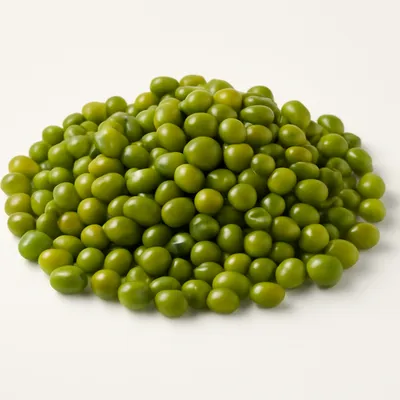


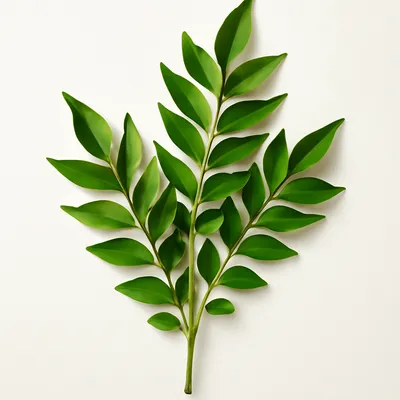
Parippu curry is the opening dish of the Kerala sadya, the Onam banana-leaf banquet, where the courses are eaten in a customary order beginning with rice, ghee and this dal. Moong dal cooked with coconut and a coconut-oil tempering is a basic pattern of Kerala vegetarian cooking, and parippu is its plainest, most everyday form raised to the feast. As a satvic dish without onion or garlic it belongs squarely to the temple-and-sadya tradition; no inventor or date is recorded.
Smooth, thick and golden, the moong dal cooked down until it almost dissolves, with the ground coconut giving a sweet, faintly grainy richness. The taste is gentle and rounded — mild dal, sweet coconut, a low warmth of green chili and the resinous lift of curry leaves and popped mustard from the tempering. A spoon of ghee melts into it on the rice, adding nutty fragrance. It is soft and soothing, the quiet, nourishing first mouthful of a long feast rather than a bold dish in its own right.
The dal is the gentlest cooking on the leaf. Split moong, which breaks down faster and milder than toor or chana dal, is boiled (often pressure-cooked) until it collapses, then lightly mashed for a smooth, pourable body. The ground coconut paste is stirred in toward the end and simmered only briefly, off a hard boil, so it thickens without splitting. The whole flavor turns on the tempering: mustard seeds, dried red chili and curry leaves popped in hot coconut oil until fragrant and tipped in, which perfumes an otherwise plain dal with the unmistakable Kerala aroma. There is no browning of onion or tomato, which is exactly what keeps it pale and satvic.
Variations
Moong dal (cherupayar parippu) is the classic for the sadya; some cooks use toor dal or a blend for a fuller body. A pinch of turmeric is common for color, and a few add a little extra coconut milk for richness. The plain, coconut-tempered moong version is the one eaten first with rice and ghee. It is far milder than the spiced parippu curries of other regions, by design, since its role is to open rather than dominate the meal.
On the Palate
Where Parippu Curry sits in the Indian flavor cloud
Ingredients
Serves 6

How it's made
5 steps · 20 min active + 15 min waiting
- 115 min
Boil or pressure-cook split moong dal with turmeric until very soft.
- 23 min
Mash the dal loosely to a smooth, pourable consistency.
- 35 min
Grind grated coconut with green chili and cumin and stir into the dal off the boil; simmer briefly.
Watch outStir the coconut paste in off the boil and simmer only briefly — let it boil hard and the coconut splits instead of thickening smooth.
- 42 min
Heat coconut oil and pop mustard seeds, dried chili and curry leaves.
Watch outPop the mustard seeds in hot coconut oil until they crackle and go fragrant — that tempering is the whole Kerala aroma, so don't skimp it.
- 51 min
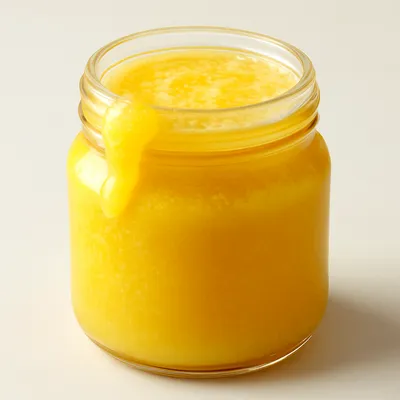
Pour the tempering over the dal and serve, traditionally with rice and a spoon of ghee.
Archive tool suggestions — not reviewed
These legacy suggestions have not been evidence-reviewed and are not presented as required tools.


