
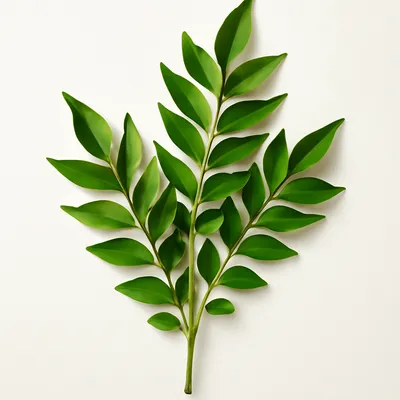
Inji puli, also called puli inji, is the sweet-sour-spicy ginger relish dabbed in a small mound on the Kerala sadya leaf. Finely chopped or ground ginger is fried in coconut oil, then simmered with tamarind extract, jaggery, green chili and a mustard-and-curry-leaf tempering until it cooks down to a dark, glossy, thick relish balancing all three tastes at once. A little is eaten with rice as a sharp, appetizing accent rather than a dish. Pungent, tangy, sweet and hot together, it is one of the strongest single flavors on the leaf and keeps for weeks.




Inji puli is a traditional accompaniment of the Kerala sadya, served at Onam and at temple and wedding feasts. Its high acid and sugar make it naturally long-keeping, which suited a relish prepared ahead for large banquets and eaten in tiny amounts. Ginger and tamarind are both long established in Kerala cooking, and the dish belongs to the satvic feast repertoire of the region. No single inventor or date is recorded; it is a standard fixture of the leaf rather than a dish with a documented origin.
Dark brown, thick and glossy, eaten by the half-teaspoon. The first hit is the heat and pungency of fried ginger, immediately met by the sour edge of tamarind and the deep sweetness of jaggery, with green-chili heat threading through. The texture is jammy and clinging, the ginger softened but still faintly fibrous. It is intense and concentrated — a little smeared into a mouthful of rice cuts the richness of the coconut dishes and resets the palate. On the leaf it is the boldest, most assertive taste of all.
The dish is a balancing act among three strong tastes that also doubles as a preservation method. The ginger is fried in coconut oil first, which mellows its raw bite and deepens its aroma through browning. Tamarind supplies the sour and a low pH; jaggery supplies the sweet and, with the acid, acts as a preservative, which is why the relish keeps for weeks at room temperature. The mixture is simmered down slowly until thick and glossy, concentrating all three elements and driving off the water that would invite spoilage. The mustard-and-curry-leaf tempering perfumes the oil it cooks in. Getting the sour-sweet-hot ratio right by taste, and reducing far enough to set into a relish, are the whole skill.
Variations
Some cooks grind the ginger to a paste for a smoother relish; others keep it finely chopped for texture. The balance leans more sour in some households and sweeter in others, and the chili heat is adjusted to taste. A version with added dates or extra jaggery is made darker and sweeter. It is closely related to but distinct from a thinner tamarind-ginger curry; inji puli proper is reduced thick and made to keep, served in a small heap rather than spooned over the whole plate.
On the Palate
Where Inji Puli sits in the Indian flavor cloud
Ingredients
Serves 10


How it's made
5 steps · 30 min active + 5 min waiting
- 16 min
Finely chop or grind the ginger and soak tamarind to extract a thick pulp.
- 25 min
Fry the ginger and slit green chilies in coconut oil until browned and fragrant.
Watch outFry the ginger in coconut oil until browned and fragrant — browning mellows its raw bite; skip it and the relish stays sharp and harsh.
- 33 min
Add the tamarind extract, jaggery, turmeric and salt and bring to a simmer.
- 413 min
Cook down slowly, stirring, until dark, thick and glossy.
Watch outCook it down slowly until dark, thick and glossy — driving off the water is what concentrates the three tastes and lets it keep for weeks.
- 53 min
Temper mustard seeds and curry leaves in coconut oil, stir in, and cool before serving.
Archive tool suggestions — not reviewed
These legacy suggestions have not been evidence-reviewed and are not presented as required tools.


