
Osaman is a thin, light, spiced sweet-sour Gujarati broth made from the watery liquid of cooked pigeon-pea dal — the dal stock rather than the mashed lentils. It is sweetened with jaggery, soured with kokum or lemon, scented with ginger, green chili and curry leaf, and finished with a ghee tempering. Soup-like but milder than rasam, it is the thin drinking dal of the Gujarati thali, sipped warm or poured over rice, and prized for sitting light on the stomach.




Osaman has no datable history and no inventor — it is a frugal everyday home preparation, and the honest account is one of thrift: the thin liquid left from cooking dal, rice and pulses is called osaman and is seldom thrown away, repurposed so nothing is wasted. Its documented place is in the role it plays, not in any date: it is the thin drinking dal of the classic Gujarati thali, the lighter counterpart to the thick Gujarati dal, the two often made from a single pot. In Gujarati, osaman simply denotes the strained cooking-water of pulses — a usage, not a traced etymology.
A thin, near-translucent amber-golden broth, light on the spoon, gently sweet and sour at once — the round sweetness of jaggery against the tang of kokum or lemon — lifted by fragrant ghee, curry leaf, ginger and a soft chili warmth. It is drunk warm like a light soup or ladled over plain rice so the grains drink it up. Against the thick dal of the thali, hearty and spoonable, osaman is the sip-able, cleansing one, leaving the stomach feeling light rather than weighed down.
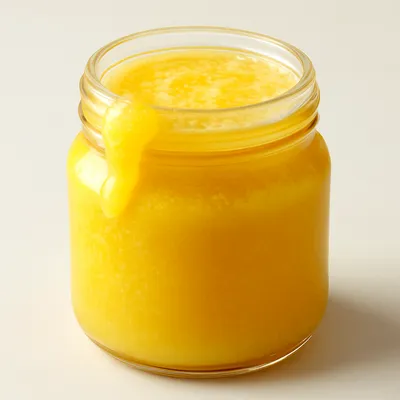
Its lightness comes from the dal-water, not the lentils. Where a regular dal relies on the bulk of the legumes for texture, osaman is a clear, translucent broth whose body comes only from the starch and a little protein released into the water as the pigeon peas boil — deliberately low in solids, which is exactly why it is light and easy to digest. Jaggery supplies a minerally sweetness and kokum, rich in hydroxycitric acid, or lemon's citric acid supplies the tart counterpoint, for the sweet-sour balance Gujarati cooking is known for. The ghee tempering carries the aroma: mustard, cumin, curry leaf and asafoetida are bloomed in hot fat, which dissolves their fat-soluble compounds and disperses them through the thin broth so even a low-solids liquid smells and tastes rich.
Variations
Osaman is the thin, strained-water version of pigeon-pea dal, set against the thick Gujarati dal proper — the mashed-lentil one — and many households make both from one pot, the thin top water becoming osaman and the thick remainder the dal. The souring agent varies by region and home: kokum or lemon, with some adding tomato, tamarind or raw mango. It is generally milder than the South Indian rasam it is often likened to, though some versions warm it with cinnamon and clove while minimalist ones keep to mustard, cumin and curry leaf.
On the Palate
Where Osaman sits in the Indian flavor cloud
Ingredients
Serves 4
How it's made
8 steps · 25 min active + 15 min waiting
- 118 min
Pressure-cook toor dal until very soft, then whisk and strain off the thin top liquid for the osaman.
Watch outWhisk the cooked dal and strain off only the thin top liquid — osaman's lightness comes from that clear dal-water, not the lentil solids; scoop in the mush and it turns into an ordinary heavy dal.
- 25 min
Add water to the strained liquid to reach a light, brothy consistency, then bring to a simmer.
- 34 min
Season with jaggery, kokum or lemon, ginger-green-chili paste, turmeric and salt.
Watch outBalance the jaggery against the kokum or lemon — the sweet-sour swing is the whole point; taste and tune it, since too flat or too sharp loses the Gujarati character.
- 46 min
Simmer gently so the jaggery dissolves and the flavours come together.
- 52 min
Heat ghee and crackle mustard seeds and cumin.
- 61 min
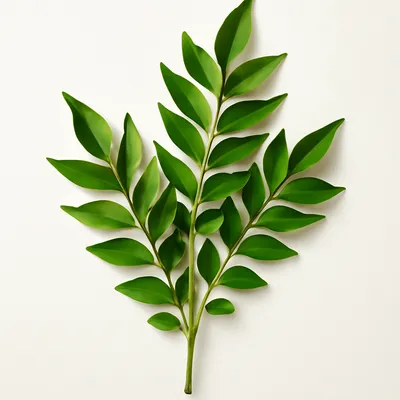
Add curry leaves and a pinch of asafoetida, letting them sizzle.
- 72 min
Pour the tempering over the broth and simmer one minute more.
- 82 min
Serve hot to sip, or ladle over plain steamed rice.
Archive tool suggestions — not reviewed
These legacy suggestions have not been evidence-reviewed and are not presented as required tools.


