



A staple of Gujarati Vaishnav and Jain households for centuries, designed for long-distance travel before refrigeration. The dough's oil and besan content keep it pliable for days; salt and turmeric act as preservatives. Particularly tied to merchant communities of Kutch and Saurashtra, who carried thepla on caravan routes across western India.
Travel food for Kutch and Saurashtra merchants — the besan binds fat and water in a way that keeps the flatbread supple for three to four days without refrigeration. Pure wheat thepla goes stiff in hours.
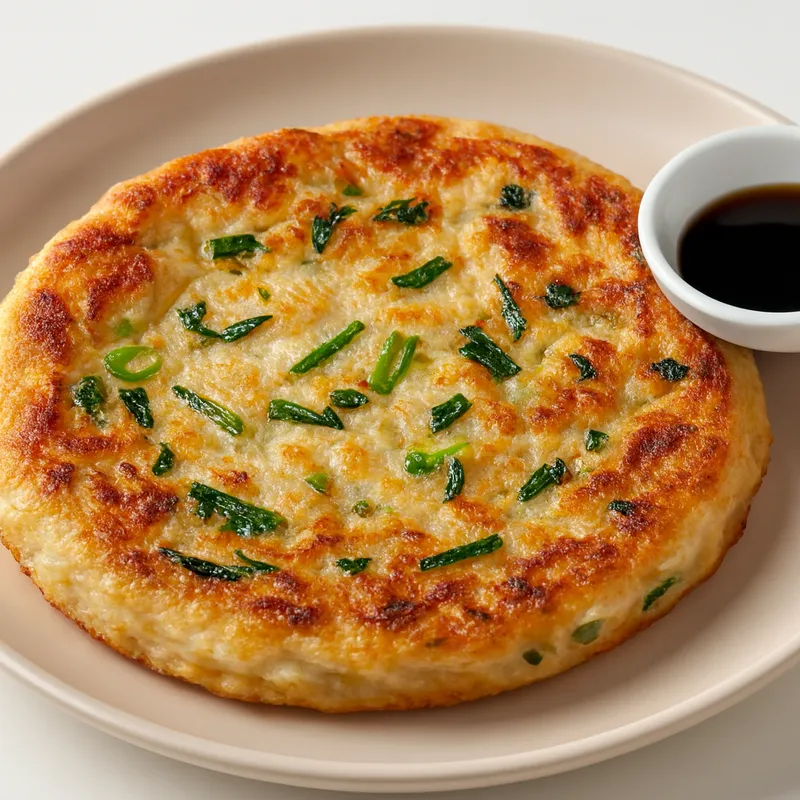
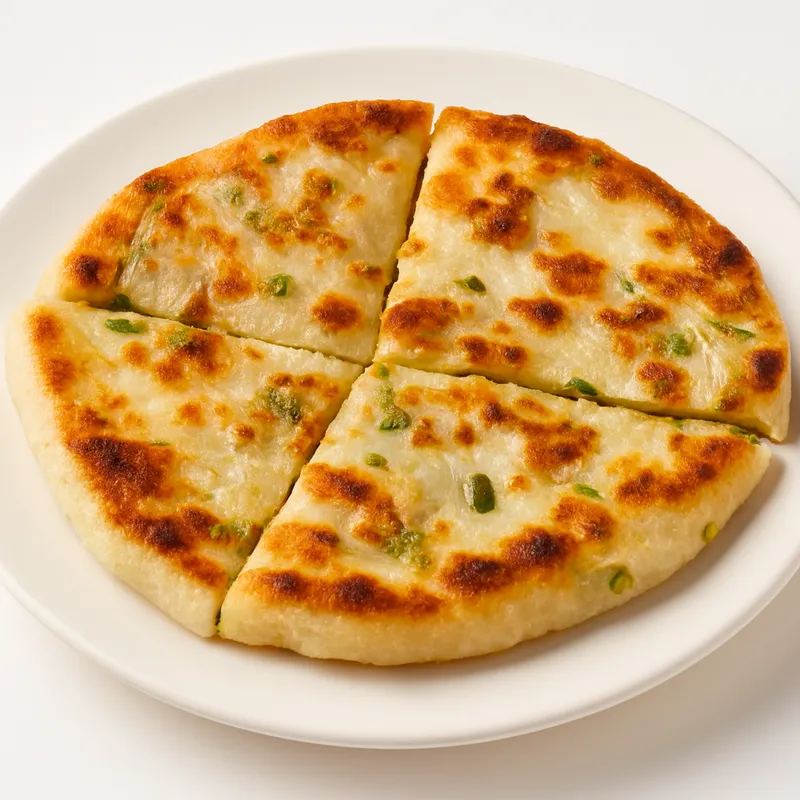
A thin, soft wheat-and-besan flatbread speckled green with chopped fresh fenugreek leaves (methi). Cooked dry on a tava, then brushed with oil. Slightly bitter from the methi, warmed by ginger and turmeric. Eaten room-temperature with yogurt, pickle and chai — Gujarati travel food because it keeps three to four days without refrigeration.
Oil is the real keeping trick. Oil worked into the dough and brushed on during cooking is what keeps the flatbread supple and edible for days; besan (chickpea flour) is added more for flavor, protein and texture than for shelf life. Yogurt or buttermilk in the dough adds lactic acid that tenderizes the gluten and adds flavor; note it actually shortens shelf life, so the longest-keeping travel theplas use little or none. Cook on medium heat — high heat sets the outside before the methi cooks through, leaving raw, grassy bitterness.
Variations
Methi thepla (fenugreek, the canonical); doodhi thepla (bottle gourd, softer); mooli thepla (radish, Kutch winter); plain masala thepla without greens for travel; bajra thepla swaps wheat for pearl millet in Saurashtra winter.
On the Palate
Where Thepla sits in the Indian flavor cloud
Ingredients








How it's made
6 steps · 40 min
- 15 min
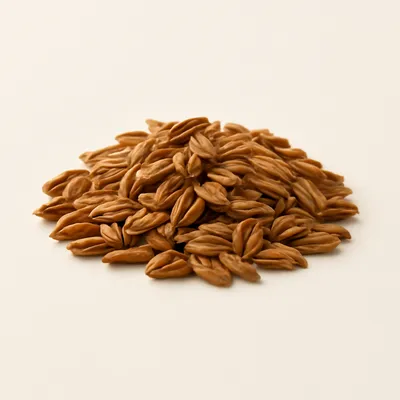
In a large bowl, combine wheat flour, besan, finely chopped fenugreek leaves, turmeric, cumin seed, coriander seed, grated ginger, and chopped green chilies. Mix thoroughly.
- 210 min
Add yogurt and a splash of water to the dry ingredients, kneading until a soft, pliable dough forms. The dough should not be sticky.
Watch outIf the dough is too sticky, add a little more flour; if too dry, add a splash of water.
- 310 min
Divide the dough into small balls. Roll each ball out on a floured surface into a thin, even circle about 6 inches in diameter.
- 42 min
Heat a non-stick pan over medium heat. Place a rolled thepla onto the hot pan. When bubbles start to form, flip it and brush lightly with oil.
Watch outEnsure the pan is not too hot to prevent burning the thepla.
- 53 min
Cook until both sides are golden brown with spots, pressing gently with a spatula to ensure even cooking. Remove from the pan and keep warm.
Watch outPressing too hard can make the thepla tough; apply gentle pressure.
- 610 min
Repeat the process with the remaining dough balls. Serve hot with yogurt, red garlic chutney, or sweet mango pickle.
Archive tool suggestions — not reviewed
These legacy suggestions have not been evidence-reviewed and are not presented as required tools.
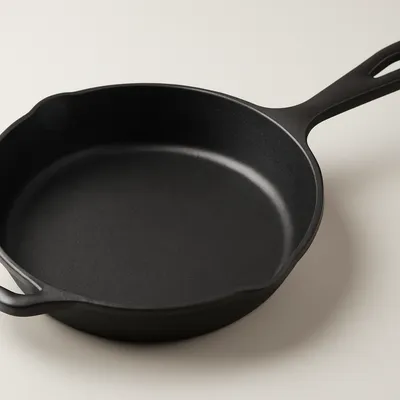
A heavy, single-piece cast iron pan, 25-30 cm across, weighing 1.5-2.5 kg. Once preheated, the thick mass holds 230°C+ even when a cold steak hits the surface — that's the secret to a deep crust. A well-seasoned skillet (multiple thin layers of polymerized oil baked into the iron) is essentially nonstick, gets better with use, and lasts a century. Lodge skillets from Tennessee have been in continuous production since 1896.

A flat or slightly concave cast-iron griddle, 25-30 cm across, used in Indian and Pakistani kitchens for chapati, paratha, and roti. Distinct from the Dosa Tawa (smaller, for batters) — the bread tawa is heavier and unglazed, and you cook directly on it without oil. A well-seasoned tawa develops a near-black patina and lasts generations.

Cylindrical wooden, marble, or silicone roller for flattening dough — pie crust, pasta, dumpling skins, naan, tortilla, pizza. French-style is tapered (no handles, the cook holds the wood itself); American-style has fixed handles with rotating barrel; marble pins stay cool for laminated doughs (croissant, puff pastry). The right pin depends on the dough's stickiness and lamination needs.