A whole leg of mutton marinated overnight in raw papaya paste, yogurt, and Rajasthani aromatics, then slow-roasted over open charcoal with periodic drizzlings of hot ghee that vaporize on contact with the embers, flooding the rotating meat in aromatic smoke. A crown jewel of Rajput celebratory cookery — the word 'sooley' means smoked kebab in Rajasthani — historically reserved for royal hunting camps, shikar feasts, and wedding tables.



Soola belongs to the royal meat cookery tradition consolidated by Rajput clans after their ascendancy across western India from the 9th century onward. The Rajputs were avid hunters, and shikar — the royal hunt — was the principal occasion for its preparation: once a beast was brought down, it was relayed to the royal hunting kitchen (rasowara), where khansamas (royal cooks) marinated and roasted it. Palace oral accounts and surviving records from Rajput noble houses name the dish originally as 'suda' — referring to the back-leg cut of a goat or sheep — and describe its defining technique: the whole leg roasted over open charcoal fire while hot ghee is repeatedly poured over the surface, the fat vaporizing on contact with the embers and rising as aromatic smoke to permeate the meat. This ghee-smoke method distinguished soola from ordinary skewered kebabs and anchored it firmly in the ritual of Rajput celebration: weddings, military victories, and the annual hunting festival held after Diwali in the hills above lake Pichola were the dish's canonical occasions. Recipes were zealously guarded and transmitted within royal kitchen lineages; today soola survives primarily in heritage palace hotels.
A deep mahogany crust gives way to meat that is fibrous yet yielding — the ghee smoke has permeated each muscle layer, threading campfire smokiness beneath the warm build of Rajasthani garam masala. Raw papaya tenderization ensures even older animals pull cleanly from the bone.
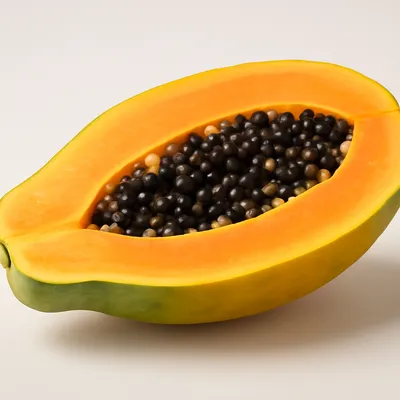
Raw papaya delivers papain, a cysteine protease most active at 50–80°C, which cleaves myosin and collagen peptide bonds throughout the long marinade, softening muscle fibers before heat inactivates it during roasting. Yogurt's lactic acid denatures surface proteins and opens the muscle matrix for deeper spice penetration. During charcoal roasting, surface temperatures exceed 200°C, triggering Maillard reactions between reducing sugars in the spice rub and free amino acids — generating hundreds of volatile pyrazines, furans, and thioaldehydes that constitute the browned-crust aroma. When hot ghee drips onto glowing coals, lipid-derived aldehydes vaporize and condense on the meat surface, adding a second aromatic smoke layer distinct from the charcoal itself.
Variations
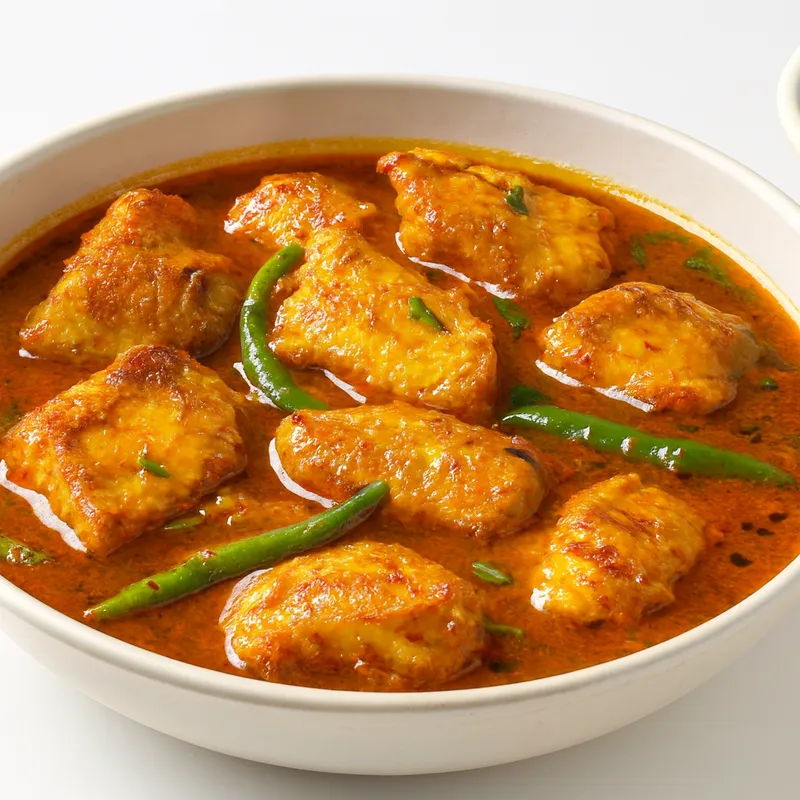
Khad soola cooks the marinated leg in a sealed earthen pit over buried coals — a slower steam-roast historically used in Rajput desert military camps. Fish soola applies the same papaya-curd marinade to whole fish grilled on charcoal skewers, a Rajput adaptation from riverine areas. Chhena soola is the vegetarian court variant, applying the open-fire charcoal technique to thick slabs of fresh curd cheese for royal feast days.
On the Palate
Where Soola sits in the Indian flavor cloud
Ingredients
Serves 6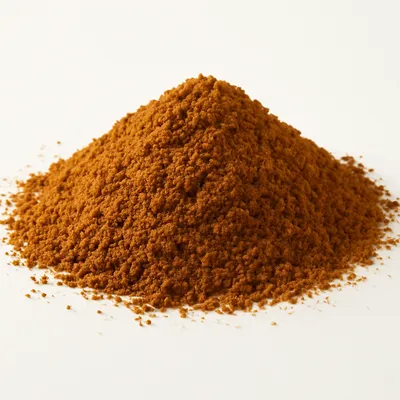

How it's made
8 steps · 30 min
- 110 min
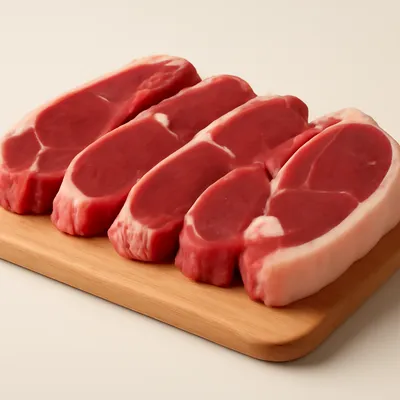
Score the leg of mutton on all sides with 5–6 deep cuts per face, cutting through to the bone, to allow the marinade to penetrate the thickest muscle groups.
Watch outScore deep, right to the bone — the marinade only reaches the thick inner muscle through those cuts, and shallow scoring leaves the center bland.
- 215 min
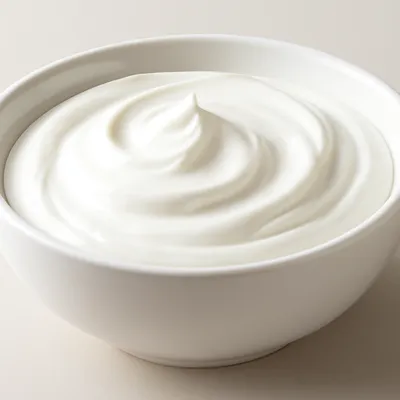
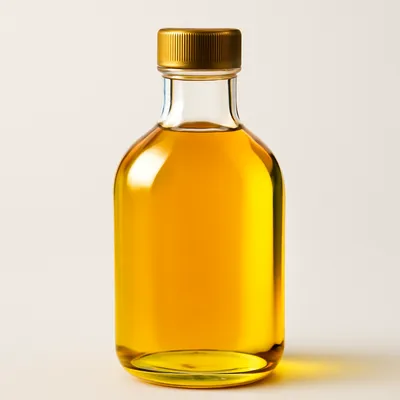
Grind raw papaya (skin-on), yogurt, garlic, ginger, dried red chilies, garam masala, turmeric, cumin, and mustard oil into a smooth paste; season generously with salt and lemon juice.
- 35 min
Coat the leg thoroughly in the marinade, pressing the paste firmly into every scored cut; place in a deep tray, cover, and refrigerate for a minimum of 6 hours or overnight.
- 420 min
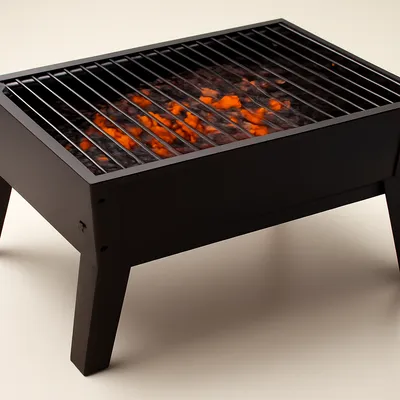
Light charcoal in an open brazier or barbecue pit and allow the coals to burn down until they are glowing red and covered with a thin layer of grey ash — this signals even, sustained heat without open flame.
Watch outWait for the coals to glow red under a thin grey ash — that's steady, flameless heat; open flames char the outside before the inside cooks.
- 55 min
Thread the leg onto a heavy iron spit or position it on a sturdy grill rack 15–20 cm above the embers.
- 6105 min
Roast over medium-high charcoal heat for 90–120 minutes total, turning the leg every 10–12 minutes, until the exterior is deeply browned and juices at the thickest point run clear.
Watch outRoast until the juices at the thickest point run clear — turn every ten minutes so it browns deep and even without burning one face.
- 710 min
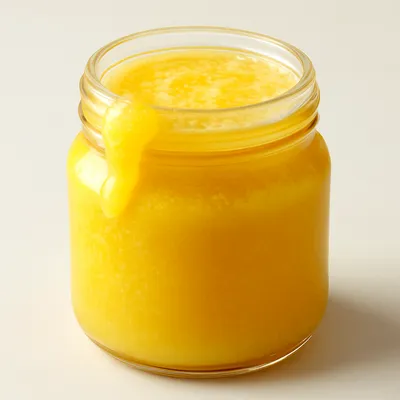
At 20-minute intervals, drizzle hot ghee over the meat and immediately close or cover the grill briefly to trap the aromatic smoke from the vaporizing ghee around the leg.
- 810 min
Rest the leg uncovered for 10–12 minutes before carving to allow juices to redistribute; serve with garlic chutney, raw onion slices, and lemon wedges.
Archive tool suggestions — not reviewed
These legacy suggestions have not been evidence-reviewed and are not presented as required tools.