The signature fish fry of the Mangalore coast: ladyfish (kane), marinated in a paste of Byadgi chili, garlic, and turmeric, is coated in semolina (rawa) and shallow-fried until the crust is deep red and audibly crunchy while the fish within stays soft and flaky. The semolina coating is the defining touch.




Kane rawa fry is the characteristic fish preparation of the Karavali — the Mangalore coast of Karnataka — where the ladyfish, called kane (nagli) in Tulu and Konkani, was historically a fisherman's staple, freshly caught and simply fried. The defining technique is the semolina (rawa) coating: the marinated fish is dredged in coarse semolina and shallow-fried, so the granules dehydrate and crisp into a golden-red crust that protects the delicate flesh beneath. The marinade is built around the Byadgi chili — the long, deep-red, mild-heat chili of the nearby Western Ghats — ground to a paste with garlic and turmeric, which gives the dish its hallmark color. It belongs to the wider coastal Karnataka practice of marinating fish in a chili-garlic-turmeric paste, then frying it; the semolina variant is the Konkani and Catholic kitchen's particular form. It is everyday coastal food, eaten with rice and dal, and is a near-mandatory item at any coastal seafood feast.
An audibly crunchy, deep-red semolina crust splitting to reveal soft, white, delicately flaky fish, with a warm garlic-chili hum through the marinade.
The crust works because semolina behaves differently from flour. Its large, hard granules do not hydrate fully into a batter; instead they sit on the fish's surface and, in shallow oil at roughly 170–180°C, dehydrate and brown individually into a coarse, glassy crust that shatters audibly. The granules' low surface area relative to their volume slows oil absorption, so the crust stays crisp and the fish beneath does not turn greasy. The marinade's Byadgi chili contributes two things: its deep-red pigment is oil-soluble and stains the crust, and its mild heat flavors the fish without overwhelming it; the garlic in the paste provides sulfur compounds that turn sweet and savory under the fry's heat. The fish, protected by the crust, cooks gently and stays moist, its delicate flakes held together by the proteins barely set at the crust's inner face.
Variations
A rice-flour variant gives a sharper crunch; some add a little vinegar to the marinade for tang, and the same technique is applied to mackerel (bangude) and pomfret.
On the Palate
Where Kane Rawa Fry sits in the Indian flavor cloud
Ingredients
Serves 3How it's made
6 steps · 15 min
- 13 min
Clean the ladyfish pieces and pat them dry.
- 25 min
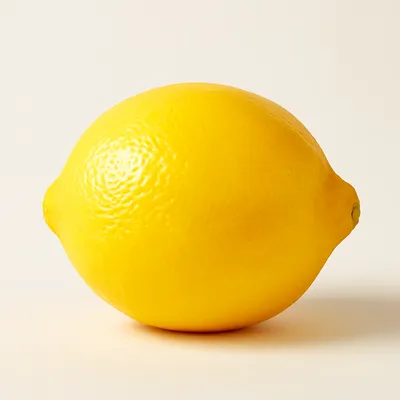
Make a marinade paste from ground Byadgi chili, garlic, turmeric, lemon juice, and salt, and coat the fish; rest for at least 30 minutes.
- 33 min
Spread coarse semolina on a plate and press each marinated piece into it, coating evenly.
Watch outPress each piece firmly into the coarse semolina — the granules sit on the surface and crisp into a glassy, shattering crust; a thin, patchy coat won't crackle.
- 46 min
Shallow-fry the fish in hot oil over medium heat until the crust is deep red and crisp, about 3 minutes per side.
Watch outShallow-fry over medium till the crust is deep red and crisp, about 3 minutes a side — too hot and the semolina burns before the fish cooks through.
- 52 min
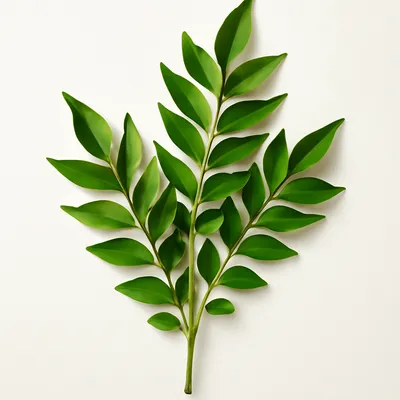
Add curry leaves and whole garlic cloves to the oil for the last minute for aroma.
- 62 min
Drain briefly and serve hot with rice and dal, or with a wedge of lemon.


