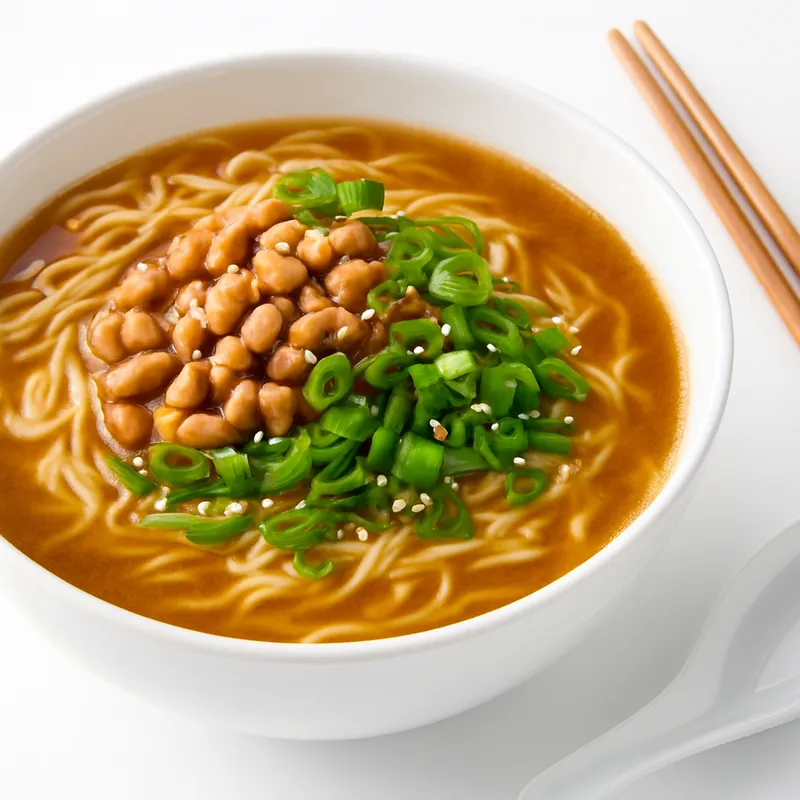
Tako karaage is bite-size pieces of octopus marinated in soy, sake, ginger, and garlic, dusted with potato starch, and deep-fried until the coating is crisp and the octopus inside stays tender and springy. It is a quick, hugely popular izakaya snack, eaten hot with a wedge of lemon and a cold drink. The contrast is the point: a light, crackly starch shell against the firm, chewy bounce of octopus, with the marinade's garlic and ginger carrying through. Like other karaage it relies on a starch coating rather than a wet batter, frying up dry and shattery rather than puffy.





Tako karaage is a modern izakaya and home dish with no single recorded origin, an application of the general karaage method — marinating bite-size pieces, coating them in flour or starch, and deep-frying — to octopus. Karaage itself is a broad Japanese frying technique whose best-known form is fried chicken; applied to seafood it yields plates like fried octopus, squid, and small whole fish. Octopus is a long-established food in Japan, eaten boiled in salads and vinegared dishes, as sashimi, simmered, and famously inside Osaka's takoyaki; frying it in the karaage style is one more way to use it, well suited to the casual, drink-friendly izakaya menu. Raw octopus is also salted, parboiled, and tenderized in standard preparation, the same groundwork this dish builds on.
A good piece of tako karaage shatters at the first bite into a thin, crisp starch shell, then gives way to the firm, springy, slightly chewy resistance of octopus — the satisfying push-back that is octopus's signature texture. The marinade leaves a savoury backbone of soy with warm garlic and ginger, and a squeeze of lemon cuts the fried richness and brightens the sweet, clean taste of the octopus. The flesh should be tender-chewy, never rubbery or squeaky; a quick fry keeps it that way. Fried too long or from poorly prepared octopus, it turns tough and rubbery, and the coating goes from crisp to hard.
Octopus muscle is dense in collagen and contractile protein, so its texture hinges on handling: rubbing raw octopus with salt and a short parboil set and tenderize the flesh and cut sliminess, while the actual karaage fry must be brief and hot so the already-cooked octopus warms through without seizing into rubber. A potato-starch coating, rather than a wheat batter, is what gives karaage its dry, crackly crust: starch granules dehydrate and crisp in the oil without forming the heavier, puffier shell that a flour-and-water batter would, and the thin layer fries up shattery and light. Frying at around 180°C flashes off surface moisture fast for a crisp coat; patting the marinated pieces dry and dusting them just before frying prevents a gummy crust. The soy-sake-ginger-garlic marinade seasons the surface and its aromatics, browning slightly in the oil, perfume the finished piece.
Variations
Seasonings vary — some marinades lean more on ginger, others on garlic, and some add a little sesame oil — and the coating may be pure potato starch, a starch-flour mix, or include a beaten egg for a slightly thicker crust. Geso karaage, fried squid tentacles, and ika karaage, fried squid, are close seafood cousins prepared the same way. A common finishing touch is a sprinkle of aonori (seaweed) or shichimi pepper, or tossing the hot pieces in garlic and salt. The same octopus appears uncoated and simply boiled in vinegared sunomono, as sashimi, in takoyaki, and simmered, but only the starch-fried form is tako karaage.
On the Palate
Where Tako Karaage sits in the Japanese flavor cloud
Ingredients
Serves 2

How it's made
7 steps · 20 min active + 15 min waiting
- 110 min
Rub raw octopus thoroughly with salt to remove slime, rinse, and briefly parboil if not already cooked, then cool
Watch outRub the raw octopus hard with salt and briefly parboil — this sets and tenderizes the dense flesh and cuts the sliminess before it ever hits the fryer.
- 24 min
Cut the octopus into bite-size pieces
- 315 min
Marinate with soy sauce, sake, grated ginger, and grated garlic for about 15 minutes
- 43 min
Drain the pieces and pat thoroughly dry with paper towel
Watch outPat the pieces thoroughly dry before dusting — surface water makes the starch coating gummy and spits in the oil; bone-dry is what gives a dry crackly crust.
- 54 min
Just before frying, dust each piece evenly in potato starch, shaking off the excess
- 64 min
Deep-fry in oil at about 180°C for a couple of minutes until the coating is crisp and golden; drain
Watch outFry hot at 180 for just a couple of minutes — the octopus is already cooked, so a brief hot fry crisps the coating without seizing the meat into rubber.
- 71 min
Serve hot with lemon wedges, and shichimi pepper or aonori if liked
Archive tool suggestions — not reviewed
These legacy suggestions have not been evidence-reviewed and are not presented as required tools.