Lemon-lime carbonated soda in a Codd-neck bottle sealed by a glass marble — first bottled 1884 in Kobe.


Scottish pharmacist Alexander Cameron Sim, who ran A.C. Sim & Co. at No. 18 of Kobe's foreign settlement, began selling ramune around 1884 — Japan's official drinks-industry history credits his firm as likely the first to sell ramune in Japan; the name is a Japanese rendering of 'lemonade'.
Tomomasu Soda in Fukuoka, founded 1902, still bottles ramune in returnable glass — over 30 flavors including wasabi, takoyaki, and curry as novelty items, but the original lemon-lime accounts for 80% of sales.
Pale aqua-green, sweet lemon-lime, sharp carbonation. The marble pops down with a wooden press and rolls in two grooves so it doesn't block the pour. Drunk straight from the bottle at festivals and beach stands; classic summer-matsuri sound is the rattle.
The Codd-neck (patented 1872 by Hiram Codd, London) seals using internal CO2 pressure pushing the glass marble against a rubber gasket. Once opened, the marble can never re-seal — the bottle is single-serve by design and meant to be returned.
Variations
Tomomasu and Hata Kosen in Osaka are the heritage bottlers. Sangaria in Osaka pushed plastic-PET ramune for export. Flavored variants — strawberry, melon, blueberry — are now standard at Don Quijote, but konbini still stock original lemon-lime.
On the Palate
Where Ramune sits in the Japanese flavor cloud
Ingredients
Serves 1How it's made
3 steps · 2 min active + 1 min waiting
- 11 min
Note: ramune is a commercial soda; home version below.
- 21 min
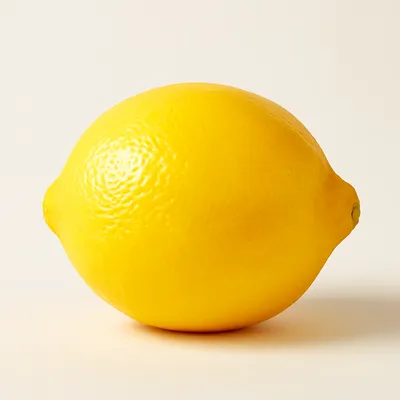
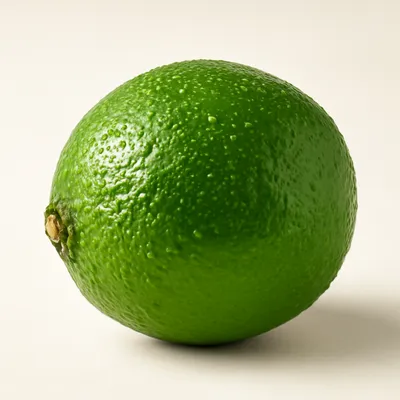
Combine 50 ml lemon-lime syrup with 250 ml chilled sparkling water in glass.
Watch outMake sure the sparkling water is ice-cold before it goes in — cold water holds its gas, warm water lets the bubbles rush out the moment you combine them.
- 31 min
Stir gently to preserve fizz; garnish with lemon slice.
Watch outStir with one slow, gentle pass to fold the syrup in — beat it and you knock the bubbles out; the fizz on the tongue is the whole point.