
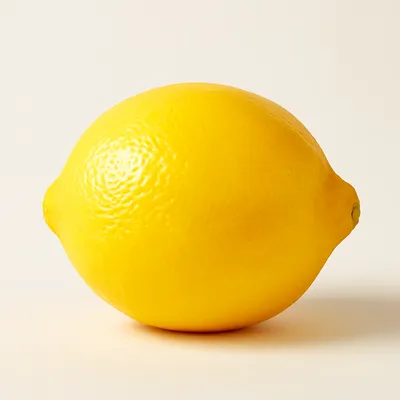


Standard French café offering since the late 19th century, when commercial citrus from Menton and the Côte d'Azur made fresh lemon a year-round bistro option. Distinct from limonade (carbonated) — the table-side mixing ritual is the point.
Café de Flore and Les Deux Magots in Saint-Germain still serve it the classical three-vessel way; chain cafés often premix and call it citronnade. Menton lemons (Citron de Menton, IGP 2015) have low acidity and high oil — the connoisseur juice if you can find it.
Comes as three pieces: a tall glass with 60-80 mL of pure lemon juice, a carafe of ice water, a small dish of sugar or jug of sirop de sucre. You build it: ice, dilute, sweeten. Sharper than American lemonade — controlled by you.
Separating components keeps the juice from oxidizing or going flat in pre-mixed sugar; you taste pure unbalanced lemon and dial in. Premixed lemonade flattens within minutes — citral and limonene volatilize. Order it in heat over Orangina.
Variations
Classique (lemon, water, granulated sugar); au sirop (with simple syrup, faster to dissolve); à la menthe (with mint syrup, southern French summer); Provençal version finishes with Menton lemon; Parisian brasserie version uses Eureka or Lisbon lemons from Spain.
On the Palate
Where Citron Pressé sits in the French flavor cloud
Ingredients
Serves 1How it's made
4 steps · 7 min
- 13 min
Squeeze 2 large lemons to get 60 ml juice; pour into a tall glass.
Watch outSqueeze the lemons fresh right before serving — the juice flattens within minutes as the citral and limonene flash off, so don't pre-mix or pre-squeeze.
- 21 min
Bring carafe of cold water and small bowl of sugar or syrup to the table.
- 32 min
Guest adds water and sugar to taste; stir with long spoon.
Watch outLet the guest add water and sugar to taste and stir well — the whole point is dialing in the balance yourself, so keep the components apart until then.
- 41 min
Add ice cubes; serve.


