
A chocolate gâteau of striking contrast: discs of chocolate meringue layered with chocolate mousse, then masked all over and covered with short batons of more chocolate meringue broken across the surface. Cocoa-dark and almost architectural, it pairs the crisp, dry crackle of meringue against the cool density of the mousse, with no fruit or cream to soften it — a pure chocolate-on-chocolate dessert. Dusted with powdered sugar, it became one of the emblematic cakes of modern French pâtisserie.




Widely credited to the French pâtissier Gaston Lenôtre, who is generally said to have created it in 1969; the cake's name echoes the Concorde supersonic airliner whose prototype first flew that year, and it became one of the signature gâteaux of his pâtisserie houses. While the 1969 attribution is the standard account repeated across pastry literature, it rests largely on the house's own history. The dessert sits squarely in Lenôtre's influential movement to lighten and modernize French cake-making in the 1960s and 1970s.
All crunch and melt, nothing in between: the broken meringue sticks crackle and dissolve dry on the tongue, then meet the smooth, bittersweet chill of the mousse beneath. It is intensely, almost austerely chocolate — sweet from the meringue but with a cocoa bitterness running through — and the snapped batons make it messy and good to eat with the fingers as much as a fork. A well-made Concorde is light despite its darkness, because most of its bulk is air.
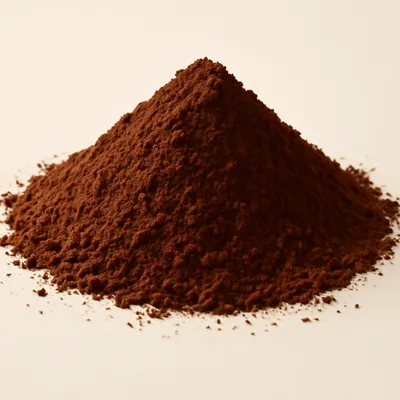
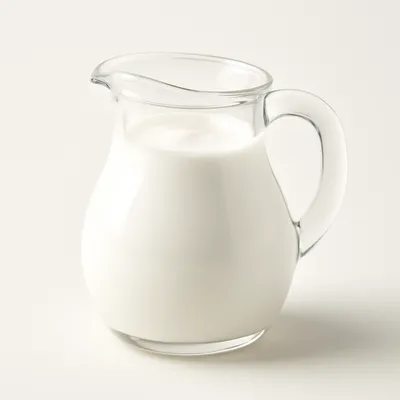
Cocoa-laced French meringue is the trick: whipped egg whites and sugar with cocoa folded in, piped and baked low and slow until fully dried so the sticks stay crisp rather than weeping. The mousse — chocolate set with whipped cream and often a pâte à bombe — supplies the cool, dense counterweight and also glues the meringue batons to the surface. Because meringue softens the moment it meets moisture, the cake is best assembled close to serving, or the crackle dulls within a day.
Variations
The classic is uniformly dark, but some versions tint or flavor the mousse with coffee or add a thin layer of ganache for extra depth. Individual portions pile the meringue sticks into a craggy dome over a single mousse base. The closely related 'Succès au chocolat' and other meringue-mousse gâteaux from the same era share its build, but the Concorde's signature is specifically the scatter of short, sugar-dusted chocolate-meringue batons cloaking the whole cake.
On the Palate
Where Concorde sits in the French flavor cloud
Ingredients
Serves 10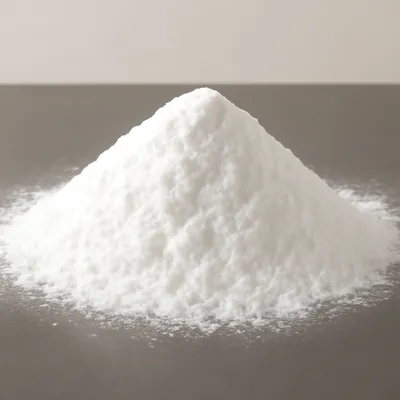
How it's made
7 steps · 1 hour 20 min
- 18 min
Whip egg whites with sugar to a firm meringue, then fold in sifted cocoa powder.
- 280 min
Pipe meringue into flat discs and a tray of thin straight lines, and bake low until fully dry and crisp.
Watch outBake the meringue discs and batons low and slow until fully dry through — any moisture left inside and they weep and go chewy instead of staying crisp.
- 312 min
Make a chocolate mousse by folding whipped cream and a pâte à bombe into melted dark chocolate.
- 48 min
Stack the meringue discs with mousse between each, building an even layered cake.
- 56 min
Mask the top and sides completely with a smooth coat of the remaining mousse.
- 68 min
Break the baked meringue lines into short batons and press them all over the surface.
Watch outAssemble close to serving — meringue softens the instant it meets the moist mousse, so the crackle dulls within a day if you build it too early.
- 7300 min
Chill until set, dust generously with powdered sugar, and serve cold the same day.
Archive tool suggestions — not reviewed
These legacy suggestions have not been evidence-reviewed and are not presented as required tools.


