An Alsatian brioche-style cake studded with rum-soaked raisins and whole almonds, baked in a distinctive fluted crown mold that gives it its tall, ringed shape. A celebration and teatime cake of Alsace, traditionally attributed to the pastry chefs of King Stanislas of Lorraine in the eighteenth century.






Kouglof — also spelled kougelhopf, and known across the Rhine as gugelhupf — is a yeasted brioche-style cake of Alsace. In Alsace the cake most likely arrived in the eighteenth century, attributed in tradition to the pastry chefs of King Stanislas of Lorraine, who brought Polish and Eastern recipes with him; alternative legends trace it to medieval Poland or earlier. The defining feature is the fluted ring mold — the kouglof mold — that gives the cake its distinctive tall, crown-like shape; almonds are traditionally placed in the mold's flutes so they decorate the finished cake's ridges. The cake is a staple of Alsatian Christmas markets and teatime tables.
A slice of kouglof is tall and golden, the crumb soft, fine, and buttery, studded with rum-soaked raisins and the crunch of whole almonds. The texture is light yet rich — a yeasted brioche rather than a chemical cake — with a faint warmth from the rum and a clean butter flavor. Eaten at teatime or with breakfast, often spread with jam or honey; the crown shape makes it a centerpiece.
Kouglof rests on yeast leavening in an enriched dough, baked in a fluted crown mold. The dough — flour, milk, eggs, butter, sugar, yeast — is enriched with a high proportion of butter and eggs, which tenderize the crumb (the fat coats the flour particles, shortening the gluten strands) and give the cake its richness; the yeast produces carbon dioxide through fermentation, and the gluten network traps the gas to create the open, airy crumb. The raisins are soaked in rum or kirsch before folding in, which rehydrates them so they do not draw moisture from the dough during baking. The fluted crown mold promotes even heat penetration through the tall dough — a plain cylinder would overcook the outside before the center set — and creates the signature ridged shape; almonds placed in the flutes toast against the hot metal and decorate the finished cake's surface.
Variations
Some versions are savory, with bacon and walnuts; the sweet brioche form, the fluted crown mold, and the almonds-and-raisins are the classic constants.
On the Palate
Where Kouglof sits in the French flavor cloud
Ingredients
Serves 10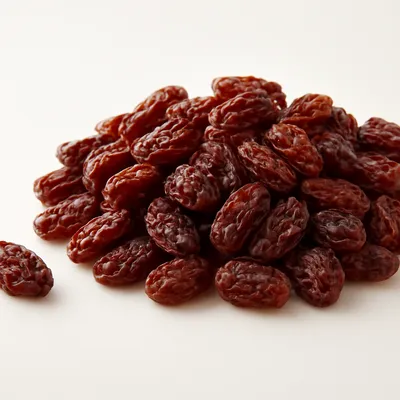

How it's made
6 steps · 40 min
- 110 min
Soak raisins in rum or kirsch; drain.
- 225 min
Make an enriched dough of flour, warm milk, eggs, softened butter, sugar, yeast, and salt; knead until smooth and elastic.
- 360 min
Let the dough rise until doubled; punch down and fold in the drained raisins.
Watch outLet the enriched dough rise until fully doubled — the butter and eggs slow the yeast, so rushing this leaves a heavy, tight crumb.
- 410 min
Butter a fluted kouglof mold generously; place whole almonds in the flutes.
- 540 min
Place the dough in the mold and let rise again until nearly to the top.
Watch outLet the shaped dough rise again to nearly the top of the mold before baking — under-proofed, it won't fill the fluted crown or bake light.
- 635 min
Bake in a moderate oven until deep golden and hollow-sounding; cool briefly in the mold, then invert onto a rack and dust with sugar.
Archive tool suggestions — not reviewed
These legacy suggestions have not been evidence-reviewed and are not presented as required tools.


