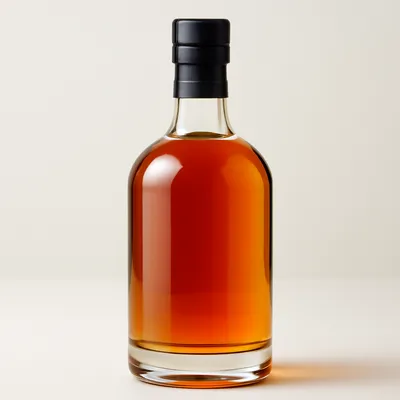
Rum envelops the senses with its sweet, molasses-like richness and warm, tropical undertones. This versatile spirit has a smooth finish, making it an ideal ingredient for both sipping and mixing.
Where it comes from
With origins in the Caribbean, rum has a storied history dating back to the 17th century, often associated with sugarcane plantations and vibrant maritime culture.
In the kitchen
Rum lends depth to cocktails, enhances desserts, and can be used in marinades and glazes, infusing dishes with its sweet, complex flavor.
Across cuisines
Black rum (Gosling's) — Bermuda's national distillery (1860). 'Sherry pepper rum' and 'black rum' are stirred into the fish chowder at table. Rum swizzle (rum, lime, falernum) is the national cocktail. Source: Wikipedia (Gosling's, Rum swizzle).
Rum — soaks the dried fruit of bolo pretu, Curaçao's dark wedding-and-Christmas cake. Source: Wikipedia (Cuisine of Curaçao).
Rum — Bahamian rums (Bacardi historically Bahamian-distilled, plus local distilleries) feature in guava duff sauce, marinades, and cocktails (Goombay Smash, Bahama Mama). Source: Wikipedia (Bahamian cuisine).
Nutrition (per 100g)
AI-estimated; model and run unavailable.
Pairs well with