
Puerto Rican Christmas coconut nog — coconut milk, coconut cream, condensed milk, evaporated milk, white rum, cinnamon, vanilla, and nutmeg blended cold until silky. Bottled and gifted in the weeks before Navidad; every Puerto Rican kitchen has a family recipe. Thick enough to coat the back of a spoon.


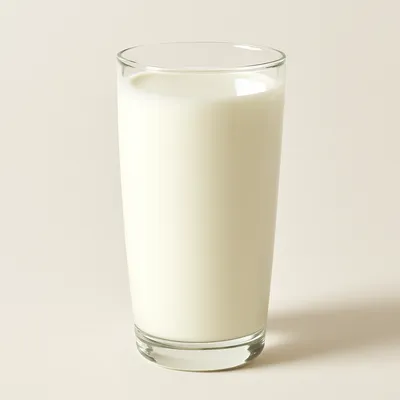
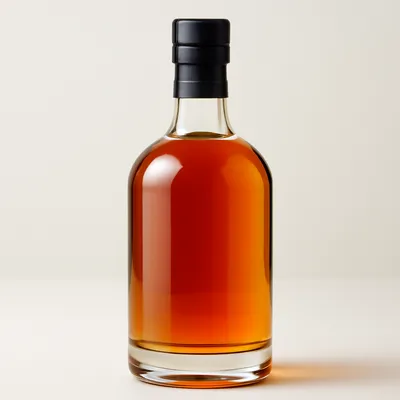
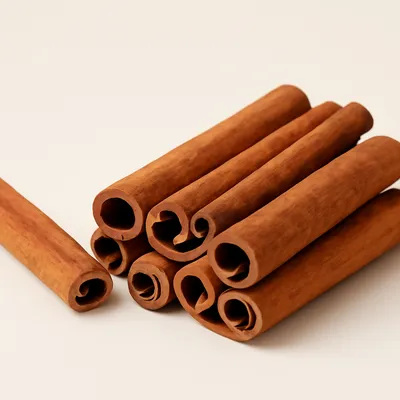
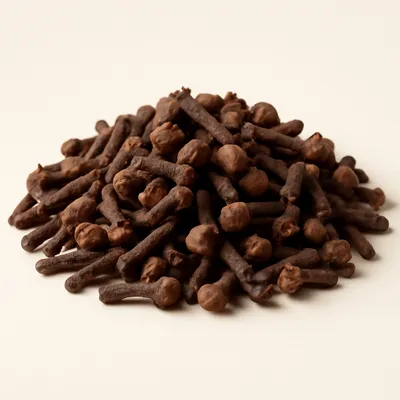
There are two stories for how coquito began: some say its creator is simply unknown, others that the Spanish brought it during the colonial era. The common account is that Spanish settlers brought their version of the European egg-milk-and-spirit holiday drink (the eggnog family, descended from British posset) to the Caribbean, where Puerto Rico's coconut economy reshaped it around local coconut milk and Puerto Rican rum — and coquito was born. The rum is an essential cultural marker: Puerto Rico is a major rum producer, and every coquito recipe argues which brand to use. The modern bottled-gift tradition emerged in mid-20th-century San Juan. Tellingly, the drink is mostly made at home, with recipes passed by word of mouth through family and friends — each household guards its own version as a closely held heirloom, so no two taste alike.
First sip is silky thickness — like drinking warm pudding straight from the bottle. Then layers separate on the tongue: coconut cream's tropical sweetness, condensed milk's caramel richness, rum's warmth, cinnamon-and-clove's spice depth, nutmeg's final perfume. Small glasses are sufficient; the drink is intensely concentrated. Christmas in a sip.
Two dairies plus cream of coconut is the structural trio: evaporated milk concentrates milk proteins; condensed milk adds sugar without water; cream of coconut adds fat and sweetness. Without all three the drink either separates or tastes thin. The method is simple — coconut milk, cream of coconut, evaporated milk, condensed milk, vanilla and cinnamon go in a blender, then rum is added and blended about 90 seconds into a stable emulsion that thickens further once bottled and chilled. Authentic Puerto Rican coquito contains no egg; adding egg yolk pushes it toward the egg-based eggnog tradition. Some families do add a touch of yolk for old-school richness, but on the island an egg version is often called ponche rather than true coquito.
Variations
Pumpkin coquito (calabaza coquito) adds canned pumpkin and pumpkin pie spices. Chocolate coquito uses cocoa powder. Adult version pushes rum to 2 cups. Some San Juan recipes add a touch of egg yolk for old-school richness — closer to traditional eggnog.
On the Palate
Where Coquito sits in the Puerto Rican flavor cloud
The body comes from three dairies working together — evaporated milk, condensed milk and cream of coconut — so blend them long enough (about 90 seconds) to lock into a smooth emulsion that won't separate as it chills.
Ingredients
Serves 8


How it's made
6 steps · 15 min active + 5 min waiting
- 17 min
Toast 1 tsp cinnamon sticks and 4 whole cloves in a dry pan 1 min until fragrant. Add to 1 cup water, simmer 5 min to make a spice infusion. Cool, strain.
Watch outToast the spices only until fragrant — a minute — then steep; let them scorch and the whole batch turns bitter.
- 23 min
In a blender: combine the spice water, 1 can (400 ml) coconut milk, 1 can (400 ml) cream of coconut (sweetened), 1 can (400 ml) sweetened condensed milk, 1 can (370 ml) evaporated milk.
- 31 min
Add 1.5 cups white rum (Puerto Rican: Don Q Cristal or Bacardí Superior), 1 tbsp vanilla, 1 tsp ground cinnamon, ½ tsp grated nutmeg.
- 42 min
Blend on high 90 seconds until completely silky and emulsified.
Watch outBlend until it turns completely silky and pale with no oily streaks — that's the emulsion set.
- 5240 min
Pour through fine sieve into a glass pitcher or bottles. Refrigerate at least 4 hours (overnight better) before serving.
Watch outChill at least 4 hours; the drink keeps thickening in the cold and the flavors marry.
- 62 min
Shake or stir before pouring. Serve in small glasses garnished with a dust of cinnamon.


