
Portugal's beloved sour-cherry liqueur: ginja cherries steeped with sugar, cinnamon and aguardente brandy until ruby-red and sweetly potent, traditionally served in a small glass with a few infused cherries at the bottom.


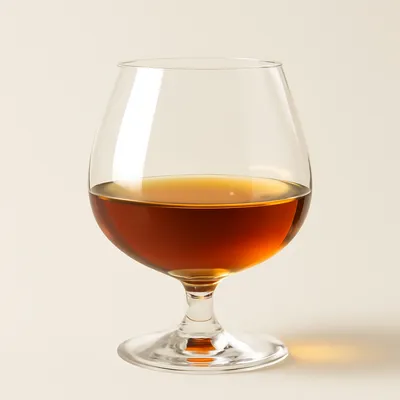
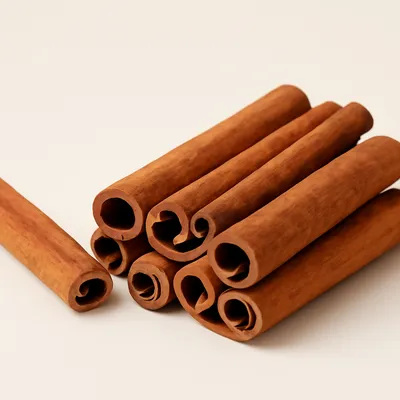

Strongly associated with Lisbon, Óbidos and Alcobaça; Lisbon's iconic recipe was popularized by Francisco Espinheira from 1840 (portugal.com: 7 Portuguese Drinks).
Sweet and warming, it floods the mouth with concentrated sour-cherry flavor underpinned by a brandy kick and a whisper of cinnamon. The boozy steeped cherry at the bottom is a tart, syrupy reward.
Alcohol and sugar extract the cherries' color, acids and aromatic compounds over weeks of maceration, producing a sweet, intensely flavored fortified infusion.
Variations
Served com elas (with cherries) or sem elas (without), in an edible chocolate cup, with extra cinnamon, longer aging for depth
On the Palate
Where Ginjinha sits in the Portuguese flavor cloud
Ingredients
Serves 12How it's made
8 steps · 20 min
- 18 min
Rinse the sour ginja cherries and pat them dry, leaving stones in.
- 26 min
Prick or lightly crush a portion of the cherries to release their juice.
Watch outPrick or lightly crack about a third of the cherries — that's what lets the color and flavor bleed into the spirit.
- 33 min
Pack the cherries into a large clean glass jar.
- 42 min
Add the sugar, a cinnamon stick and a strip of lemon peel.
- 52 min
Pour in the aguardente or brandy to fully cover the cherries.
Watch outPour the spirit until every cherry is submerged — any poking above the surface can spoil.
- 61 min
Seal the jar and store in a cool, dark place.
- 75 min
Shake gently every few days and let it infuse for at least one to three months.
Watch outGive it a gentle swirl every few days and taste around the one-month mark — the longer it sits, the deeper the ruby and the rounder the flavor.
- 86 min
Strain the liqueur into bottles and serve in small glasses with a cherry.


