A peasant soup from the Minho region of northern Portugal, where couve galega has been grown since at least the 15th century — the tall stalky cabbage thrives in damp Atlantic soil. Caldo verde traveled south through migrant labor in the 19th century and became a national dish, served at festivals (notably the São João celebrations in Braga and Porto) and weddings across all of Portugal, and eaten in the small hours of New Year to warm up after a night of celebration.
A Minho peasant soup built on couve galega, the tall stalky cabbage grown there since the 15th century. Hair-thin chiffonade goes in for under three minutes; longer and the green turns olive-drab.
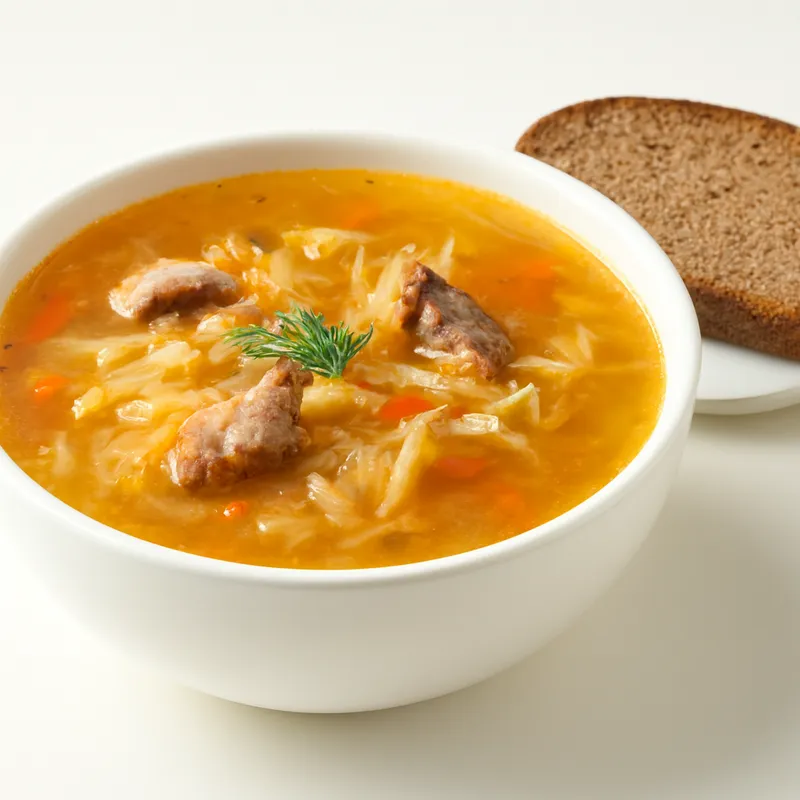
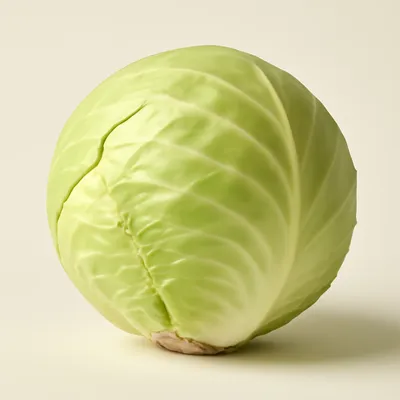
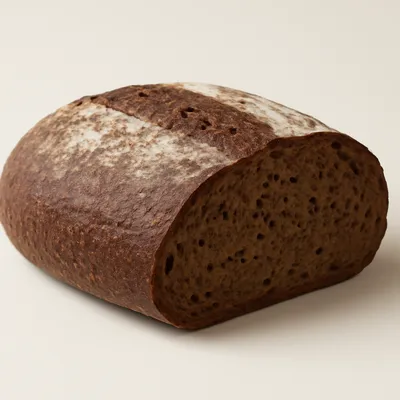
A pale green soup the color of jade, made from finely shredded couve galega (Portuguese collard) cooked briefly in a thin potato-and-onion purée. A coin of chouriço floats on top, a thread of olive oil drawn over it, served with broa (corn-rye bread). The greens stay bright; if the soup has gone olive-drab, the kale was overcooked.
The greens are sliced into hair-thin ribbons (chiffonade through a manual slicer is traditional) and added only at the very end — under three minutes in the pot. Long cooking turns the kale gray, dulls the chlorophyll, and pushes sulfur compounds. The potato-onion base must be blended smooth, not chunky; that smoothness is what makes the bright shred of green read as soup, not stew.
Variations
Northern Minho version stays loose and bright; Lisbon restaurants thicken the potato base and over-shred the kale; Brazilian-Portuguese diaspora cooks add white beans, which a Minho grandmother would refuse.
On the Palate
Where Caldo Verde sits in the Portuguese flavor cloud
Slice the greens hair-thin and add them only in the last three minutes — long cooking turns the kale gray and sulfurous, killing the bright green that makes this soup what it is.
Ingredients



How it's made
5 steps · 50 min
- 110 min
Peel and dice the potatoes and onions into small, even pieces. In a large pot, heat olive oil over medium heat until it shimmers. Add the onions and garlic, sautéing until the onions are translucent and the garlic is fragrant.
Watch outSweat the onion and garlic gently until translucent and soft, not browned — you want a sweet, clean base, not fried edges.
- 220 min
Add the diced potatoes to the pot, stirring to coat them with the oil and onion mixture. Pour in enough water to cover the potatoes by about an inch. Bring to a boil, then reduce to a simmer until the potatoes are tender.
Watch outEnsure the potatoes are fully submerged in water to cook evenly.
- 35 min
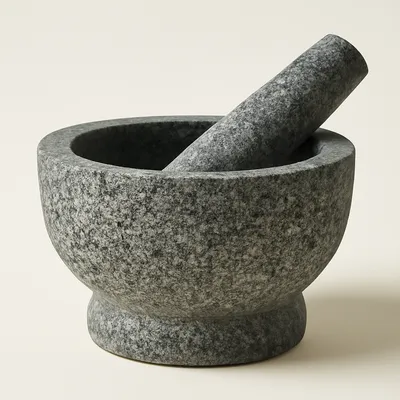
While the potatoes cook, julienne the kale and Portuguese cabbage into thin strips. Once the potatoes are tender, use a potato masher to break them down into a chunky puree within the pot.
Watch outMash the potatoes until the base is thick and creamy; leave it too chunky and the soup won't have body.
- 410 min
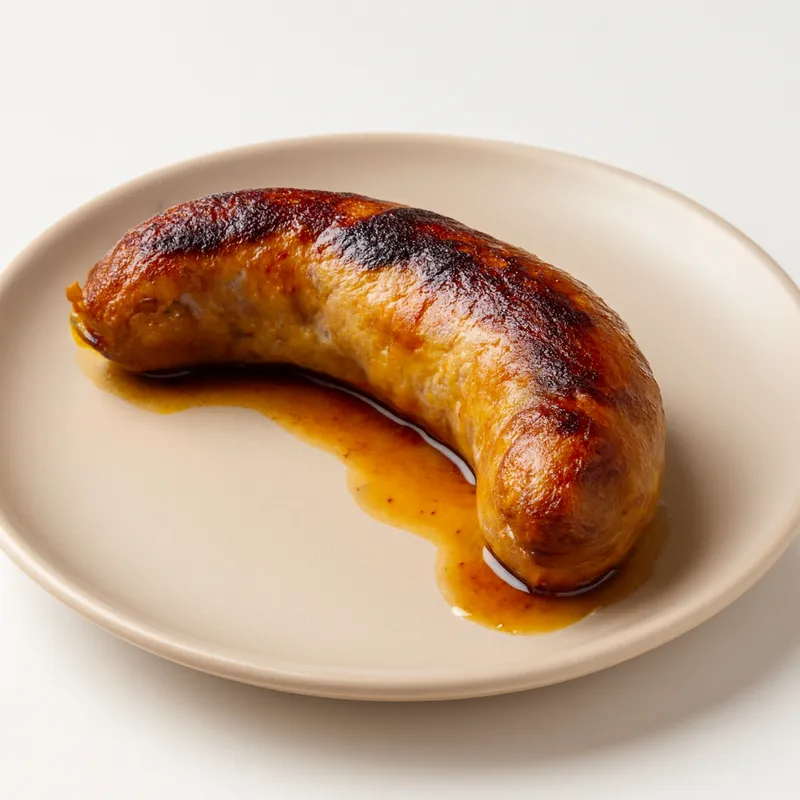
Stir in the julienned greens and sliced chouriço. Simmer until the greens are tender and the flavors meld together, about 10 minutes. Season with salt and black pepper to taste.
Watch outThe greens need only about ten minutes and should stay a lively green — pull the pot before they dull.
- 55 min
Ladle the caldo verde into earthenware bowls, drizzling with a touch more olive oil just before serving. Serve with slices of broa or pão francês on the side for dipping.
Archive tool suggestions — not reviewed
These legacy suggestions have not been evidence-reviewed and are not presented as required tools.