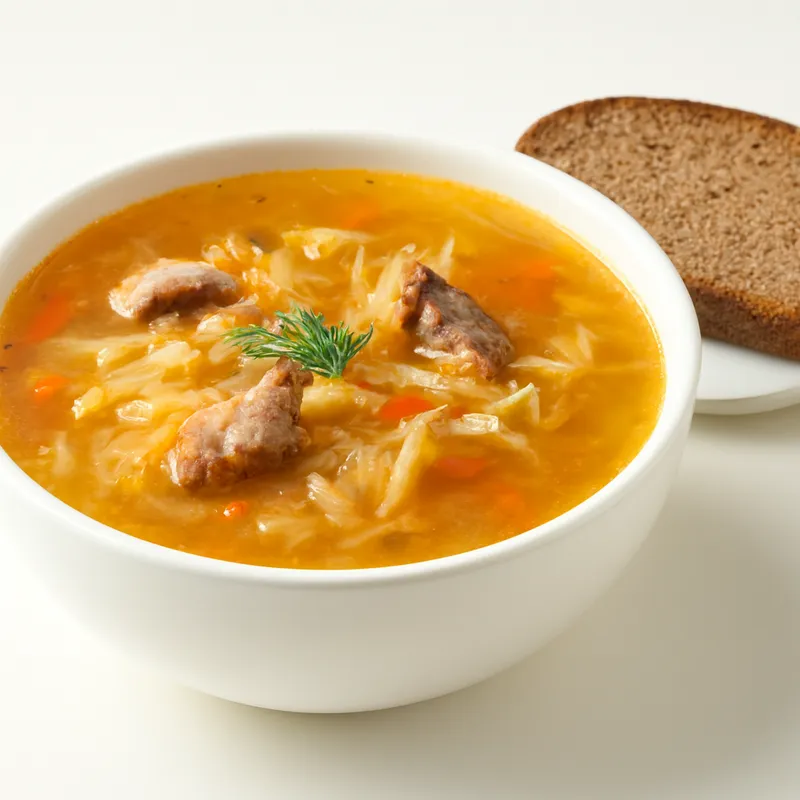




The oldest documented Russian soup, with cabbage arriving from Byzantium in the 9th century and the soup becoming a household staple by the 10th century — predates borscht by several hundred years. Cabbage was one of the few vegetables that grew in northern Russia and stored through winter as sauerkraut in barrels. Eaten at every level of society for over a thousand years; tsars and serfs ate the same soup with different cuts of meat. Catherine the Great's chef sealed shchi in clay pots for her travels — it was reheated weeks later.
The oldest Russian soup on continuous record — 9th century, predating borscht by several hundred years. Catherine the Great's chef sealed it in clay pots that reheated weeks later on her travels.
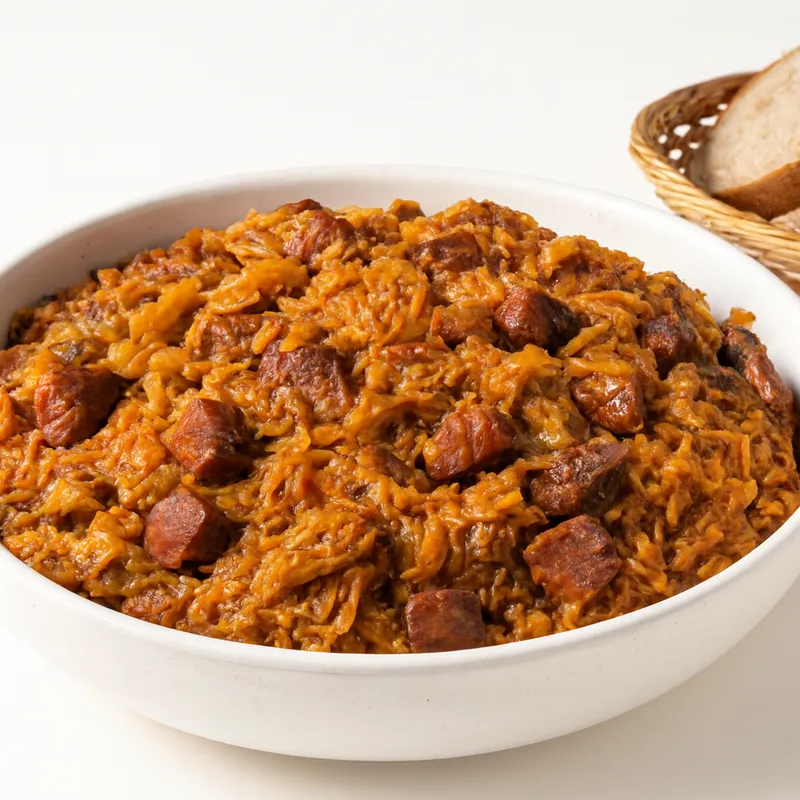
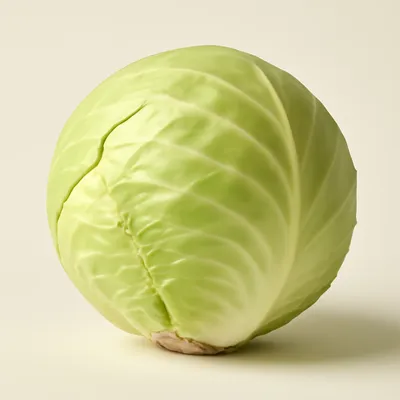
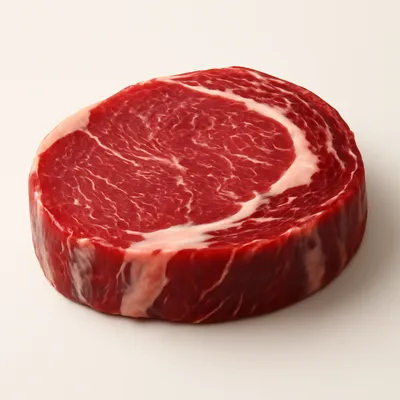
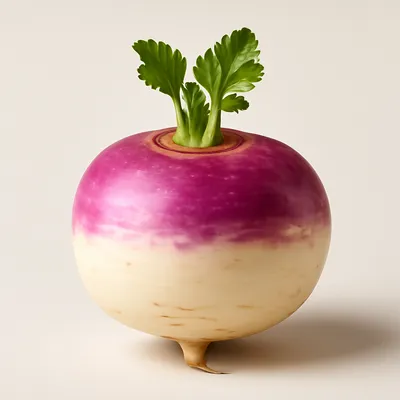
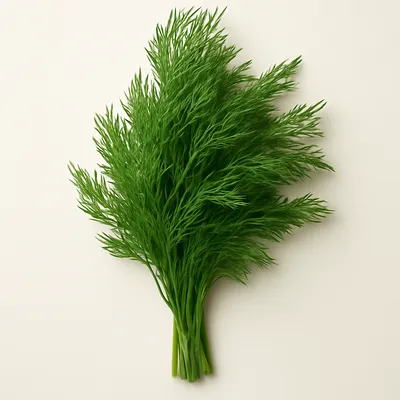
Cabbage soup, but specifically: green or fermented sauerkraut cabbage, beef or pork shoulder, onion, carrot, sometimes turnip or potato, simmered for two hours, finished with fresh dill. Served with a dollop of smetana and dark rye on the side. The fermented-cabbage version (kislye shchi) has a sharp pickled-sour edge; the fresh-cabbage version is mellow and sweet. Russians say шти да каша — пища наша ("shchi and kasha are our food").
The defining technique is тушение в печи (slow stewing in a Russian masonry oven) — the soup goes in after the fire dies and cooks for hours at a falling temperature, 90°C dropping to 70°C. This gives the broth a roundness that a stovetop simmer can't replicate. Modern cooks fake it with a low oven (120°C, four hours covered) — gas-flame shchi tastes thinner because the temperature curve is wrong.
Variations
Kislye shchi (sauerkraut, sharp); fresh-cabbage shchi (mellow, sweet); zelyonye shchi (sorrel, spring-only); the day-after version that Russians say tastes better than day-of.
On the Palate
Where Shchi sits in the Russian flavor cloud
Cook it long and low, never at a hard boil — shchi's roundness comes from a slow, falling-temperature stew (around 90°C down to 70°C), and a rolling stovetop boil makes the broth thin and cloudy instead.
Ingredients





How it's made
4 steps · 55 min
- 115 min
In a large pot, add beef and cover with water. Bring to a boil over high heat, skimming off any foam that rises to the surface. Reduce the heat and let it simmer to develop the broth.
Watch outSkim the grey foam off in the first minutes of the boil, then drop the heat — this is what keeps the broth clear.
- 230 min
Add chopped cabbage, carrots, and potatoes to the pot. Stir in tomato paste and a bay leaf. Continue to simmer until the vegetables are tender and the flavors meld together, about 30 minutes.
Watch outHold it at a whisper of a simmer, lid on; you want the vegetables to soften slowly, not thrash in a boil.
- 35 min
Meanwhile, in a small pan, sauté chopped onions in butter until they are soft and translucent. Add the sautéed onions to the soup pot, stirring to combine.
Watch outCook the onions only to soft and translucent, no colour — brown them and they turn the soup sweet-fried, not clean.
- 45 min
Taste the soup and adjust seasoning with salt and pepper as needed. Let it simmer for a final 5 minutes to bring all the flavors together.
Watch outAdjust seasoning gradually; too much salt can overpower the dish.
Archive tool suggestions — not reviewed
These legacy suggestions have not been evidence-reviewed and are not presented as required tools.