A beetroot soup that is a staple in Russian cuisine.




Originated in medieval Kievan Rus' (modern Ukraine) — early versions used fermented hogweed (борщевик, borshchevik), which gave the dish its name; beets replaced hogweed only by the 16th–17th century. Adopted across Russian, Polish, Belarusian, Lithuanian, and Ashkenazi Jewish cuisines, each with its own version. UNESCO recognized Ukrainian borscht as intangible cultural heritage in 2022 amid the Russian invasion.
Pre-beet versions used fermented hogweed (borshchevik), which gave the dish its name; UNESCO listed Ukrainian borscht in 2022. Half the beets get a vinegar sauté at the end — that acid is what locks in the magenta.
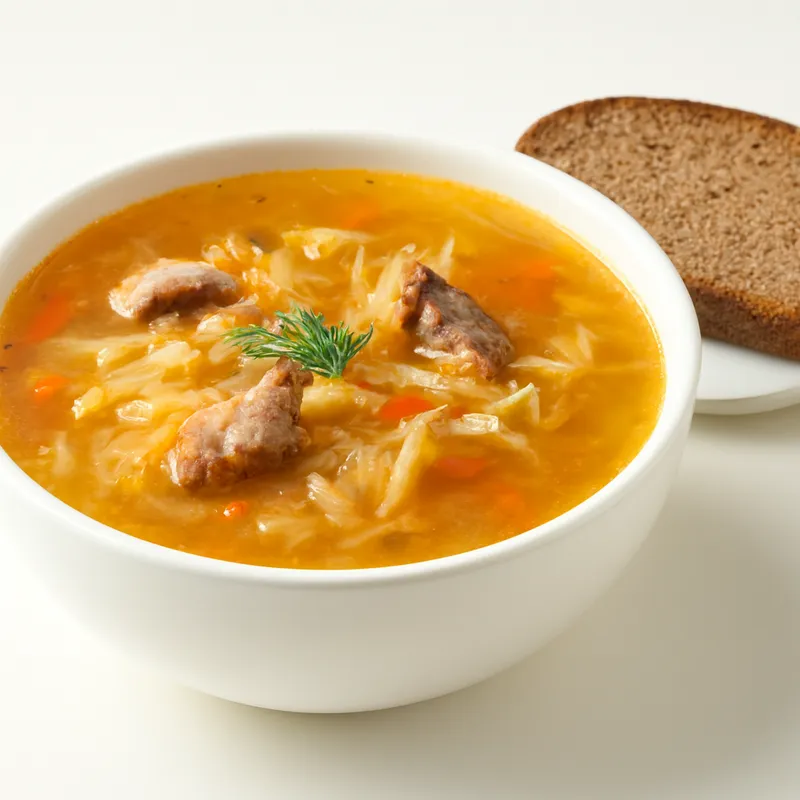
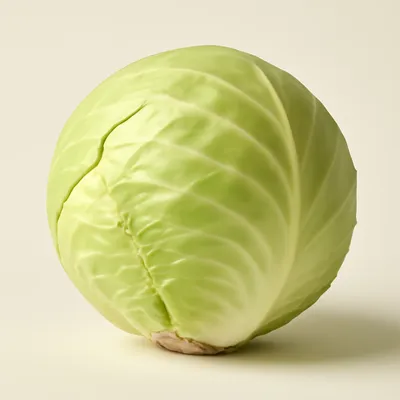
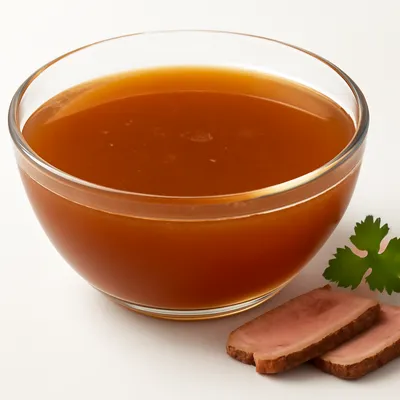
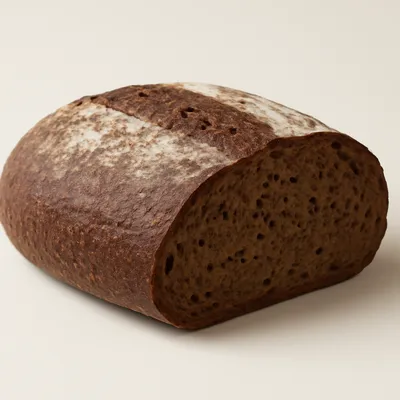
Deep magenta broth, almost wine-colored, with shredded beet, cabbage, carrot, potato, and chunks of beef or pork. A spoon of cold sour cream goes on at the table and swirls into pink. Black rye bread, raw garlic clove rubbed on it, on the side. Served hot in winter, cold in summer (свекольник, svekolnik). The broth should taste sour-sweet, not earthy; if it tastes like raw beet, the cook didn't sweat the vegetables long enough.
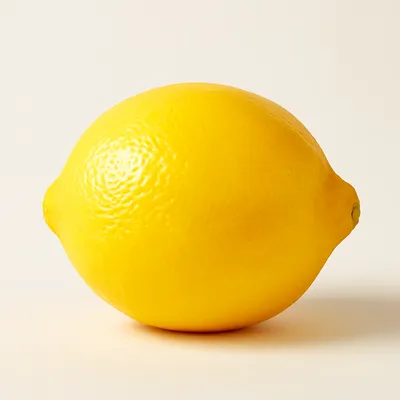
Beets are added in two stages — half are simmered with the meat for color and body, half are sautéed separately with vinegar or lemon (acid fixes the magenta; without it the soup turns muddy brown) and added in the last ten minutes. Long-boiled beet loses its color and goes flat-sweet. The vinegar-sauté step is what separates a good borscht from a brown vegetable soup.
Variations
Ukrainian uses pampushky and pork; Polish barszcz czerwony strains to a clear consommé; Ashkenazi cold borscht thins with sour cream and skips meat for Pesach; Lithuanian šaltibarščiai goes fluorescent pink with kefir.
On the Palate
Where Borscht sits in the Russian flavor cloud
Ingredients




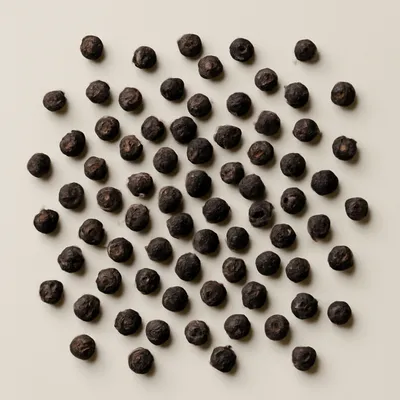


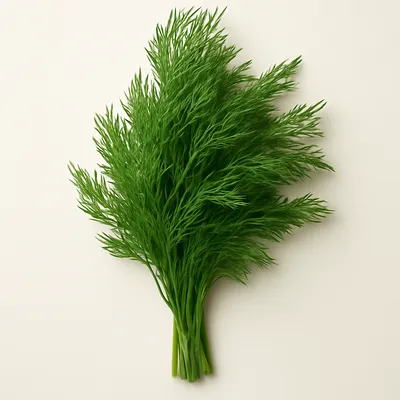
How it's made
5 steps · 55 min
- 110 min
Peel and chop the beets, carrot, and potato into uniform cubes. Slice the cabbage into thin strips. This ensures even cooking and a harmonious texture in your soup.
- 220 min
In a large pot, bring the beef broth to a gentle simmer over medium heat. Add the chopped beets, carrot, and potato. Let them cook until they begin to soften, releasing their earthy aroma and vibrant colors.
Watch outThis first batch is only for body and depth; expect the color to dull here, the bright magenta comes from the second batch.
- 315 min
Stir in the tomato paste and cabbage, and continue to simmer. The tomato paste will deepen the soup's color and add a subtle tang, while the cabbage softens to a tender bite.
Watch outStir the acid-sautéed beets in now and keep the heat low; a hard boil at this point still bleeds the color out.
- 45 min
Taste the soup and adjust seasoning with salt and pepper as needed. The flavors should be balanced, with the beets' sweetness complementing the broth's savory depth.
Watch outAdd salt gradually to avoid over-seasoning, as the flavors will concentrate as the soup reduces.
- 55 min
Serve the borscht hot, garnished with a dollop of sour cream. The cream should melt slightly, adding richness and a cooling contrast to the soup's warmth.
Watch outSpoon the cream on off the heat and let it half-melt; boiling it in curdles it and clouds the surface.
Archive tool suggestions — not reviewed
These legacy suggestions have not been evidence-reviewed and are not presented as required tools.