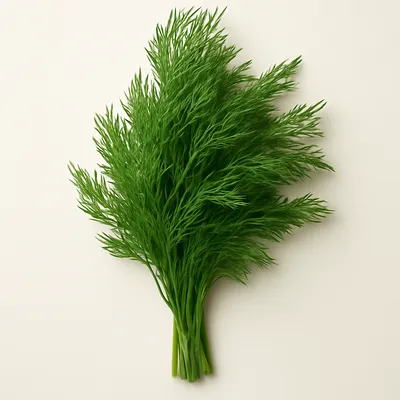
Fragrant, feathery fronds with a fresh, anise-like flavor; dill brightens dishes with its crisp, slightly tangy notes. It is a quintessential herb in Eastern European and Mediterranean cuisines, often paired with fish and pickles.
Where it comes from
Dill is native to the Mediterranean region and has been cultivated since ancient times, revered by Romans for its culinary and medicinal properties.
In the kitchen
Dill imparts a refreshing brightness to salads, sauces, and seafood dishes, often used as a garnish or infused into brines for pickling.
Across cuisines
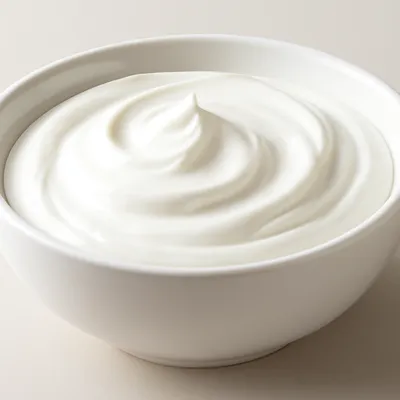
Dill is the Ukrainian herb that goes on top of nearly everything — a fistful of fresh fronds onto borshch, into the pyrohy filling, scattered over young potatoes, mixed into smetana for the cold summer soup okroshka. Dill seed also flavors pickles and the brine of cured cucumbers.
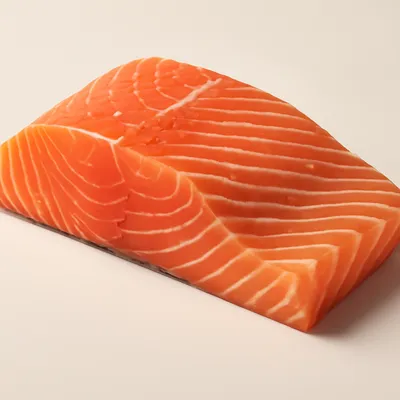
In Scandinavian cuisine, dill is frequently used as a garnish and flavoring agent. It is commonly paired with fish, especially in dishes like gravlax, where dill is used in the curing process. Dill is also used to flavor sauces and dressings for open-faced sandwiches like smorrebrod.
In Scandinavian cuisine, dill is frequently used as a garnish and flavoring agent. It is commonly paired with fish, especially in dishes like gravlax, where dill is used in the curing process. Dill is also used to flavor sauces and dressings for open-faced sandwiches like smorrebrod.
Nutrition (per 100g)
AI-estimated; model and run unavailable.
Pairs well with