


Ukrainian
Beet borshch, varenyky dumplings, smoked salo — the founding kitchen Russia later borrowed from.
Varenyky
Pillowy dumplings stuffed with potato-cheese, sweet cherries, or sauerkraut, served with sour cream. Family-table staple.
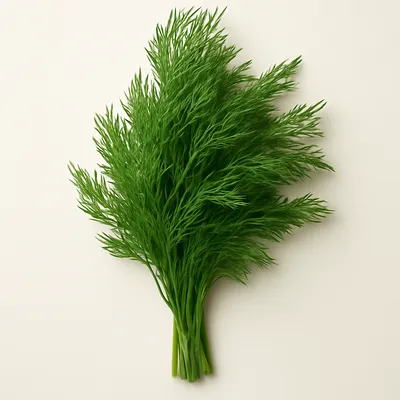
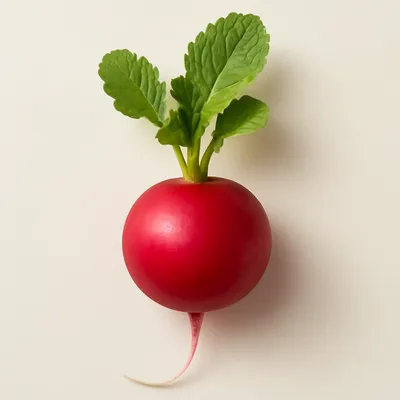
View page →A Ukrainian table opens with crimson borshch — a deep beet-and-cabbage soup that perfumes the whole kitchen, served with a dollop of cool sour cream that breaks across the surface like fresh snow. Beside it, varenyky dumplings glisten with butter — half-moons stuffed with potato, mushroom, sour cherry, or sweet farmer's cheese, each a small geography lesson. Smoked salo (cured pork fat) is sliced thin with rye bread and a shot of horilka. Holubtsi cabbage rolls simmer in tomato. The cuisine is grounded in wheat, beet, dill, garlic, and the sour notes of fermented vegetables (sauerkraut, dill-pickle brine, sour milk). Ukrainian cooking is the seam between Slavic and Steppe traditions; it predates and shaped much of what later got called 'Russian' cuisine.
The Palate
What makes it taste like itself
Start Here
Beets, cabbage, dill, and beef bones simmered into a sweet-sour crimson soup. Top with sour cream and dark rye for the full Ukrainian Sunday dinner.
Why start here · Borshch is Ukraine on a spoon — the sweetness of beet, the sour of fermented vegetables, the depth of smoked pork bones. Master this and you understand the whole table.
Half-moon dumplings of soft wheat dough stuffed with potato, mushroom, cottage cheese, or sour cherry. Boiled, then tossed in butter and topped with sour cream.
Why start here · Every Ukrainian babusya makes varenyky differently — the dough is the universal grammar; the filling is the dialect. Learning this is learning a family.
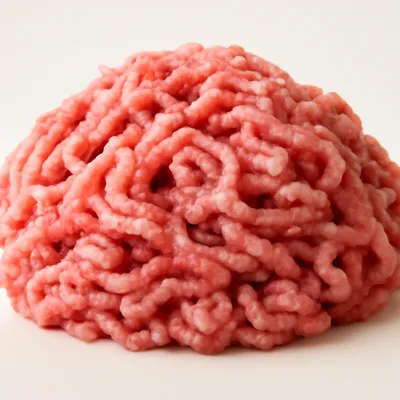
Tender cabbage leaves wrapped around rice and ground meat, layered into a pot with tomato-onion sauce and slow-baked until everything melts together.
Why start here · Holubtsi proves Ukrainian cooking's Slavic-Steppe inheritance — the same dish appears across Poland, Russia, Romania, but the Ukrainian version is the deepest, slowest, most generous.
Cook First
The easiest way in


The Pantry






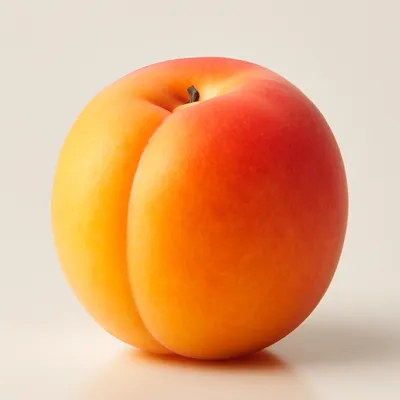
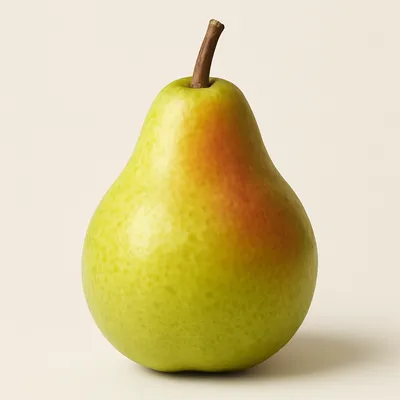
See all 139 ingredients›

















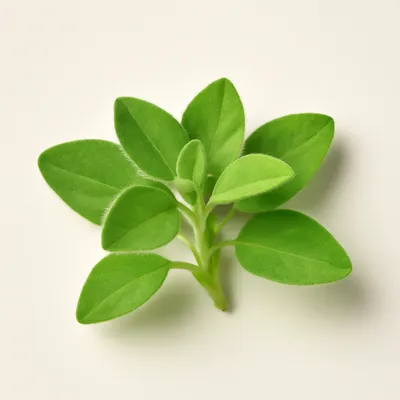
Herbs & Spices

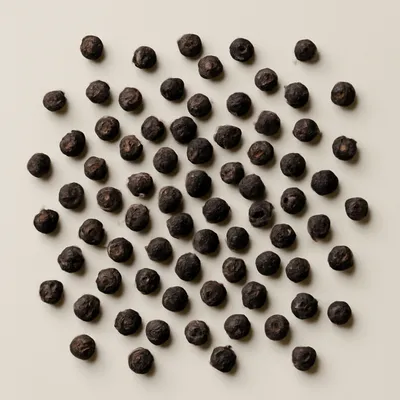

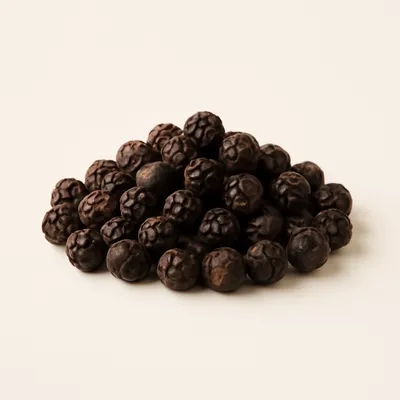


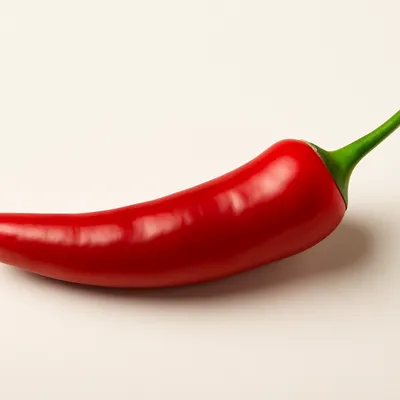
Grains & Staples


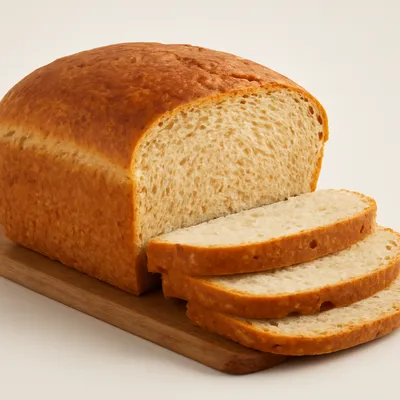












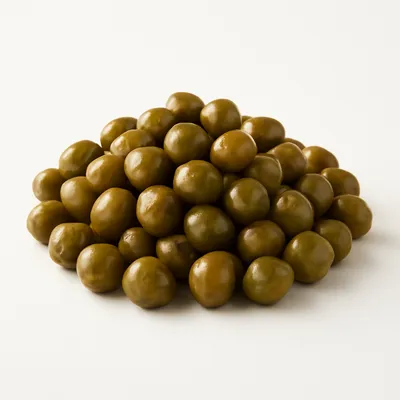


Four Regions
Four regional kitchens — Central canon, Carpathian-and-Galician west, Black-Sea south, forest-and-marsh north. Tap a region to see its table.
The Kyiv canon — borshch with its hundred faces, varenyky stuffed with cheese or cherry, chicken Kiev, salo straight from the cellar.
Carpathian-mountain meets Austro-Hungarian — Galician Vushka in beet broth, Hutsul Banosh corn porridge, Lviv's chocolate-and-cheesecake coffeehouse tradition.
Forest-and-marsh country — wild-mushroom solyanka, Polissia carp in sour cream, cold summer borshch from Volyn, rye-and-bean staples.
Black Sea-and-steppe crossroads — Odessa Jewish forshmak, Crimean Tatar plov, Bessarabian mămăligă, the kitchen of the multi-ethnic south.
How They Cook
Techniques that define this cuisine
See 10 more techniques›
Kindred Kitchens
Cuisines built on the same signature ingredients
Signature Dishes (65)
Browse all 65 dishes›


Starters
5


Mains
18


Sides
1
Sweets
5


Snacks
5


Condiments & Pastes
3


Breads
16


