Apricot
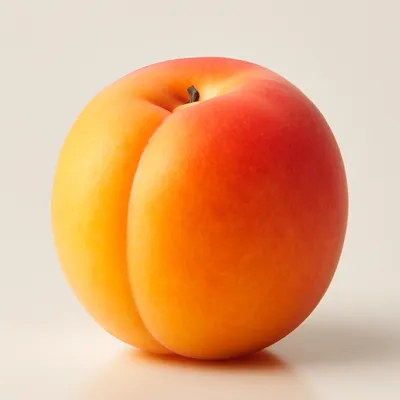
Apricots are velvety and sweet, with a hint of tartness that dances on the tongue. Their juicy flesh and delicate aroma evoke the warmth of summer, making them a delightful addition to both sweet and savory dishes.
Where it comes from
Apricots are believed to have originated in China and have been cultivated in Mediterranean regions for centuries. They hold a significant place in Persian cuisine, often featured in traditional dishes and desserts.
In the kitchen
Apricots can be enjoyed fresh, dried, or cooked, bringing brightness to desserts, salads, and savory tagines. Their natural sugars enhance sauces and glazes, balancing richer flavors.
Across cuisines
In South African cuisine, dried apricots are a common addition to both sweet and savory dishes. They are often used in Cape Malay curries and sosaties to add a sweet and tangy contrast to the spices and meats. The apricots are typically rehydrated before cooking to enhance their flavor and texture.
Hungarian desserts often feature apricots as a filling, especially in pastries and tortes. Apricots are stewed with sugar and sometimes a hint of lemon juice to create a thick, sweet filling. This filling is used in layered cakes such as the Eszterházy Torta, providing a fruity contrast to the rich, nutty layers.
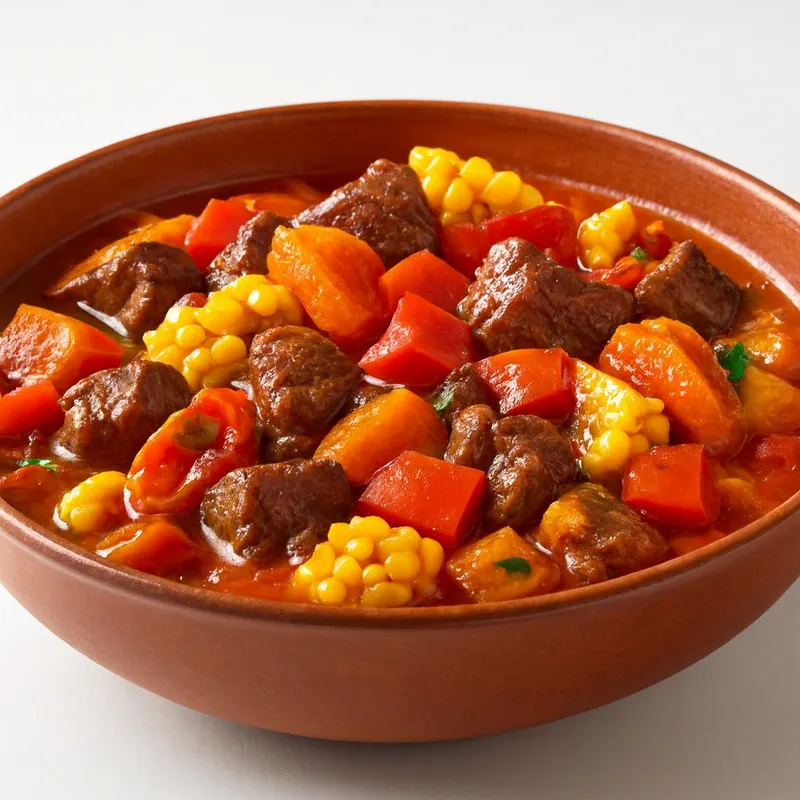
In Argentinian cuisine, apricots are sometimes included in stews like carbonada to provide a subtle sweetness. The fruit is usually diced and added towards the end of cooking to maintain its texture. This use of apricots helps to balance the savory and sometimes spicy flavors of the stew.
Nutrition (per 100g)
FoodB-derived; record mapping unavailable.
Pairs well with